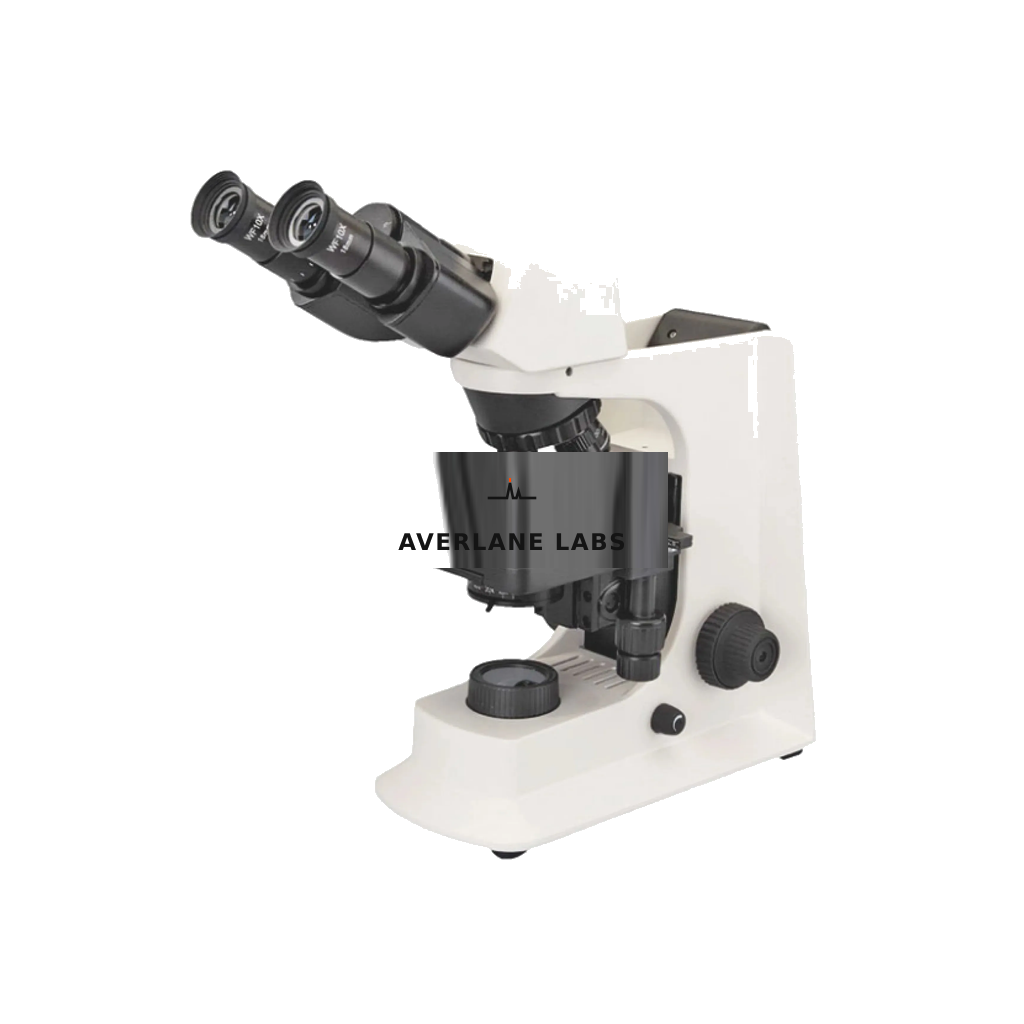
Servoscope binocular microscope
Certificate of Analysis available on request for the current lot.
Complete the setup
Reconstitution and bench supplies researchers pair with Servoscope binocular microscope







































































































































NOT FOR HUMAN CONSUMPTION
A Servoscope binocular microscope (or similar binocular compound microscope) is best viewed as a standard laboratory optical instrument for biological observation, not a high-end research microscope. Its core advantage is comfortable two-eye viewing and improved depth perception, making it ideal for education, routine lab work, and basic diagnostics.
The strongest use case is biological microscopy (cells, tissues, slides) where ergonomics, clarity, and moderate magnification (40×–1000×) are sufficient. Performance depends mainly on optical quality, illumination, and mechanical stability, not advanced imaging technology.
2. Additional benefits / practical use
| Benefit | Take-away |
|---|---|
| 1. Binocular viewing comfort | Main advantage. Reduces eye strain vs monocular microscopes |
| 2. Improved depth perception | Easier interpretation of structures |
| 3. Wide magnification range | Typically 40×–1000× or higher |
| 4. Suitable for multiple applications | Biology, medical training, lab analysis |
| 5. Stable mechanical stage | Allows precise slide positioning |
| 6. Integrated illumination | LED or halogen light for clear imaging |
| 7. Educational and clinical use | Common in schools and labs |
| 8. Not advanced imaging | No fluorescence or high-end research capability |
3. Mechanism of action (optical design)
3.1 Optical “pharmacodynamics”
A binocular microscope works through compound optical magnification:
- Objective lenses (e.g. 4×, 10×, 40×, 100×)
- Eyepieces (typically 10×)
- Combined → total magnification (e.g. 1000×)
The binocular head splits the image into two optical paths, allowing both eyes to view simultaneously. This improves:
- comfort
- visual processing
- perception of detail
3.2 Downstream imaging function
| Component | Functional outcome | Context |
|---|---|---|
| Objective lenses | Magnify specimen details | Biological slides |
| Binocular head | Reduces eye fatigue | Long observation sessions |
| Mechanical stage | Precise slide movement | Lab work |
| Illumination system | Enhances contrast and clarity | Brightfield microscopy |
These mechanisms are well-established and standard, forming the basis of most biological microscopy systems.
4. Practical performance characteristics
- Magnification: typically 40×–1000× (sometimes higher)
- Optics: achromatic or plan lenses
- Illumination: LED or halogen
- Focus: coarse + fine adjustment
- Stage: mechanical (X-Y movement)
Performance depends on:
- optical quality
- alignment
- light source stability
5. Evidence / real-world performance
5.1 Strong, well-established aspects
- Standard instrument in:
- education
- clinical labs
- biology research
- Proven for:
- cell observation
- tissue analysis
- microbiology
Binocular microscopes are widely used because two-eye viewing improves comfort and detail recognition
5.2 Limitations
- Limited compared to:
- fluorescence microscopes
- confocal systems
- Resolution limited by optical design (~0.2 µm typical)
- Requires proper sample preparation
6. Safety and tolerability
Very safe instrument:
- no direct hazards
- minor risks:
- eye strain if misadjusted
- electrical safety (light source)
7. Contraindications and cautions
Use caution with:
- expecting research-grade imaging → not designed for advanced analysis
- poor alignment or calibration → reduces image quality
- incorrect lighting → affects contrast and clarity
- low-quality optics → limits resolution
8. Comparative practical matrix
| Feature | Servoscope binocular microscope |
|---|---|
| Main strength | Comfortable dual-eye viewing |
| Best use case | Education, lab, basic diagnostics |
| Magnification | Moderate–high (40×–1000×) |
| Optical quality | Moderate–high (depends on model) |
| Ease of use | High |
| Core limitation | Not advanced imaging system |
| Best framing | Standard lab microscope |
9. Regulatory / product framing
- Typically classified as:
- laboratory equipment
- or medical device (low class) in clinical contexts
- Widely used in:
- education
- diagnostics
- research
10. Future directions
Improvements focus on:
- digital integration (camera + software)
- better optical coatings
- LED illumination systems
- hybrid analog/digital microscopes
Best balanced summary
A Servoscope binocular microscope is a reliable, standard laboratory microscope designed for comfortable two-eye observation of biological samples. Its strength lies in ergonomic viewing, solid optical performance, and versatility for education and routine lab work. While highly effective for general microscopy, it is not intended for advanced imaging techniques, and its performance depends largely on optical quality, illumination, and proper use.
Researcher reviews
No reviews yet for this lot line. Verified purchasers can leave the first one.
Reviews
There are no reviews yet.