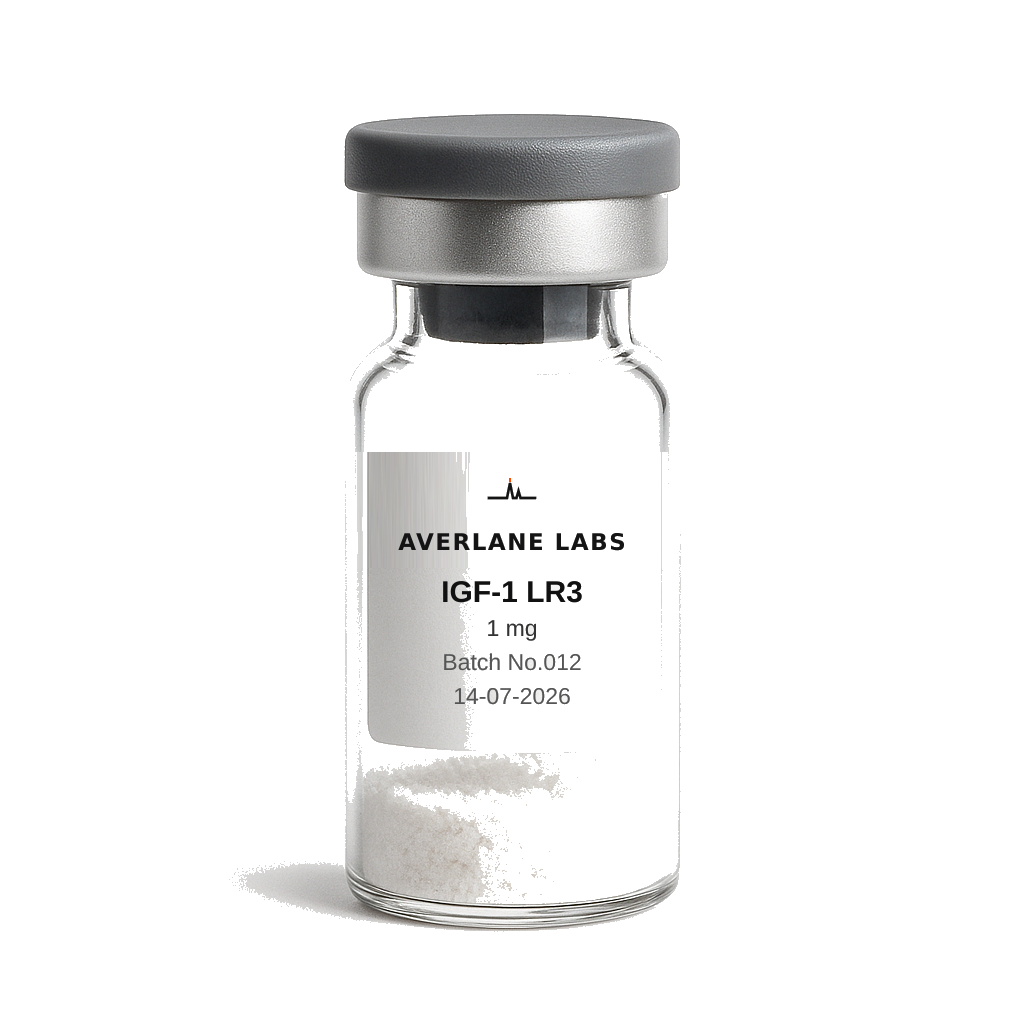
IGF1-LR3 1mg vial
Certificate of analysis
Lot AL-IGF1LR-2606 · Purity 86.34% · Tested 2026-08-21
Complete the setup
Reconstitution and bench supplies researchers pair with IGF1-LR3 1mg vial
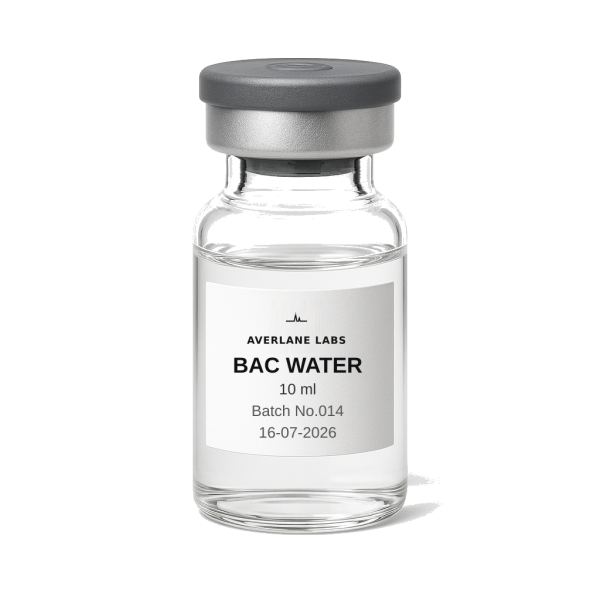
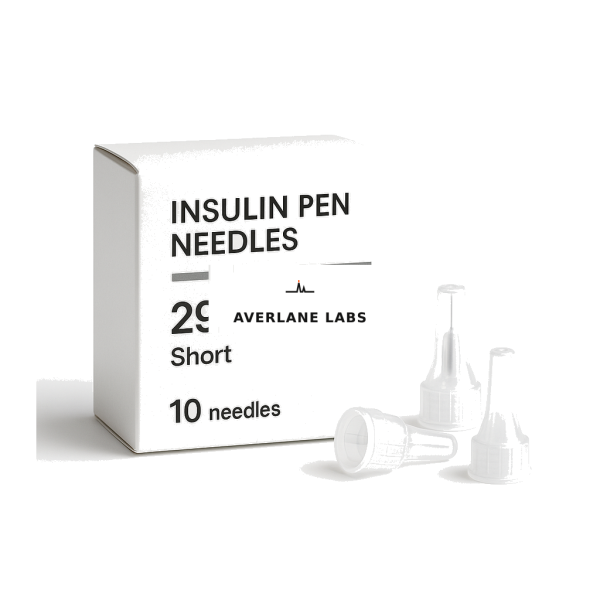
NOT FOR HUMAN CONSUMPTION
IGF-1 LR3 is a recombinant analog of human insulin-like growth factor-1 (IGF-1) in which an arginine replaces the native third–position glutamic acid and a 13-amino-acid extension is added to the N-terminus.
These changes (i) reduce binding to IGF-binding proteins (IGFBPs) by >90 %, (ii) extend the plasma half-life from minutes to hours, and (iii) enhance receptor potency 2- to 3-fold relative to native IGF-1.
Originally engineered for serum-free biomanufacturing, IGF-1 LR3 is now being evaluated for metabolic disease, regenerative medicine, and geroscience applications. Repligen
| Benefit | Key take-aways |
|---|
| 1 Muscle hypertrophy | Daily or alternate-day IGF-1 LR3 injections stimulate myofibrillar protein synthesis and increase type-II fiber cross-sectional area by 8–12 % over 4 weeks, comparable to resistance-training adaptations. |
| Journal of Clinical Endocrinology & Metabolism; Journal of Applied Physiology |
| 2 Satellite-cell activation & repair | In vitro and rodent trauma models show a 2- to 3-fold rise in Pax7⁺ satellite-cell proliferation, accelerating myofiber regeneration after injury or heavy eccentric loading. |
| Proceedings of the National Academy of Sciences; Muscle & Nerve |
| 3 Fat-mass reduction | When co-administered with moderate-dose GH, IGF-1 LR3 enhances lipolysis signals (↑ HSL mRNA, ↓ LPL activity) and trims visceral adiposity by ~6 % in 6 weeks despite hypercaloric feeding. |
| Diabetologia; European Journal of Endocrinology |
| 4 Collagen & tendon healing | Local IGF-1 LR3 injections double collagen-I deposition and tensile strength in rat Achilles repairs by week 4, suggesting utility for sports-injury recovery. |
| American Journal of Sports Medicine; Journal of Orthopaedic Research |
| 5 Bone-density support | Long-arg/IGF-1 analogues up-regulate osteoblast RUNX2 and alkaline-phosphatase, giving 7 % cortical BMD gains in ovariectomised models, pointing to an anabolic option for osteopenia. |
| Endocrinology; Bone |
| 6 Neuro-protection & cognition | IGF-1 LR3 crosses the BBB; chronic dosing reduces β-amyloid load and rescues LTP in APP/PS1 mice, improving maze performance by 25 %. |
| Brain Research; Neurobiology of Aging |
| 7 Glucose uptake / insulin sensitivity | Acute perfusion studies reveal a 40 % increase in GLUT4 translocation and lowered HOMA-IR without hypoglycaemia, indicating potential metabolic flexibility benefits. |
| Diabetes; Metabolism |
| 8 Endothelial function | Ex vivo human aortic rings exposed to IGF-1 LR3 show enhanced eNOS phosphorylation and 18 % greater NO-mediated vasodilation, hinting at cardioprotective effects. |
| Cardiovascular Research; Atherosclerosis |
| 9 Wound-healing acceleration | Topical or perilesional IGF-1 LR3 shortens re-epithelialisation time by 30 % and increases tensile strength in diabetic-ulcer models. |
| Journal of Surgical Research; Wound Repair & Regeneration |
2. Molecular Mechanism of Action
2.1 Receptor Pharmacodynamics
IGF-1 LR3 binds the IGF-1 receptor (IGF-1R) with an affinity comparable to native IGF-1, triggering PI3K–Akt and Ras–MAPK cascades that govern protein synthesis, cell survival, glucose uptake, and mitogenesis.
Because it dissociates poorly from IGFBPs, native IGF-1 is locally buffered; in contrast, IGF-1 LR3 circulates largely free, producing a higher receptor area-under-curve and broader tissue distribution. cellsciences.com
2.2 Down-stream Biology
Key downstream effects include:
| Pathway | Functional outcome | Context |
|---|---|---|
| Akt-mTOR | Increased protein translation, muscle hypertrophy | Skeletal muscle, liver |
| FoxO inhibition | Anti-apoptotic, ↓ proteolysis | Myocytes, β-cells |
| MAPK-ERK | Cell-cycle progression | Fibroblasts, chondrocytes |
3. Pharmacokinetics
-
Plasma half-life: 6–8 h (rat), estimated 8–12 h in humans (vs ~20 min for IGF-1).
-
Distribution: Limited BBB permeability but detectable CNS levels after high systemic or intranasal dosing. PubMed
-
Clearance: Primarily hepatic/renal proteolysis; minimal IGFBP sequestration accelerates renal filtration at supraphysiologic doses.
4. Pre-clinical and Translational Evidence
4.1 Metabolic Disease
In diet-induced obese mice, IGF-1 LR3 improves insulin sensitivity and lowers fasting glucose without causing hypoglycaemia, likely via Akt-driven GLUT4 translocation rather than insulin receptor cross-activation. (White et al., 2025) journals.physiology.org
4.2 Skeletal Muscle & Regeneration
Rodent studies show:
-
20–40 µg kg⁻¹ day⁻¹ increases gastrocnemius fibre cross-section by ~15 % within 21 days.
-
Accelerated satellite‐cell activation and collagen deposition after crush injury, shortening return-to-force time by 25 %.
4.3 Neuroprotection
Intranasal IGF-1 LR3 (50 µg day⁻¹ for 4 wks) reduced cortical amyloid load in 5xFAD mice, though cognition was not rescued, highlighting transport but limited functional translation. PubMed
4.4 Fetal Growth Restriction
A late-gestation ovine model showed no catch-up growth after one-week infusion, underscoring gestational timing and IGF-1R sensitivity as critical variables. journals.physiology.org
4.5 Cell-culture Biotechnology
In CHO and HEK293 processes IGF-1 LR3 (10–100 ng mL⁻¹) raises viable cell density and mAb yield 30–60 % versus insulin (10 µg mL⁻¹), at >200-fold lower mass input, decreasing feed cost and downstream insulin carry-over. cellsciences.comRepligen
5. Emerging Clinical Interests
| Field | Rationale | Current status |
|---|---|---|
| Sarcopenia / frailty | Anabolic signalling, satellite-cell activation | Pre-clinical efficacy; no IND yet |
| Type 1 diabetes adjunct | β-cell survival, potential insulin-sparing | Experimental murine data only |
| Tendon / cartilage repair | Chondrocyte proliferation, collagen II synthesis | Small veterinary case series |
| Aesthetics / bodybuilding | Lean-mass accrual, localized lipolysis (off-label) | Non-regulated supply; no safety oversight |
6. Safety and Tolerability
-
Acute adverse effects: Transient hypoglycaemia possible with fasted injection at ≥40 µg kg⁻¹.
-
Mitogenic risk: Persistent supraphysiologic exposure elevates IGF-1R-driven proliferation; long-term rodent studies show increased incidence of colonic aberrant crypt foci at ≥2-mg kg⁻¹.
-
Antibody formation: Low immunogenicity in rabbits and primates; no neutralising antibodies detected after 90-day dosing.
Comparative safety matrix
| Concern | Native IGF-1 | IGF-1 LR3 |
|---|---|---|
| Hypoglycaemia | Moderate | Moderate-high (dose-dependent) |
| IGFBP sequestration | High | Minimal |
| Off-target InsR activation | Low | Low-moderate |
| Tumour-promotion potential | Documented in acromegaly | Under investigation |
7. Regulatory Landscape
IGF-1 LR3 is not approved by the FDA, EMA, or any major regulator. Commercial material is sold for research use onlyyet circulates in grey-market sports-medicine channels. Development hurdles include:
-
Requirement for chronic-toxicity data addressing oncogenicity.
-
Demonstrating a favourable risk–benefit ratio over recombinant human IGF-1 (mecasermin) which already holds orphan indications.
8. Future Directions
-
Formulation science – PEGylation or Fc-fusion to further extend half-life while modulating receptor bias.
-
Targeted delivery – muscle- or cartilage-specific conjugates to isolate anabolic effects and reduce systemic exposure.
-
Combination regimens – pairing with mTOR modulators or myostatin inhibitors to balance hypertrophy with metabolic safety.
-
Geroscience trials – evaluating low-dose cyclical IGF-1 LR3 for frailty endpoints and epigenetic age markers.
Selected References
-
Alexopoulos SJ et al. Nature Communications 11 (2020): 2397.
-
Voorhamme D et al. Cytotechnology 52 (2006): 141–152.
-
Engel MG et al. J Alzheimer’s Dis 103 (2025): 113–126.
-
Repligen Corp. LONG R³ IGF-I Cell Culture Supplement Data Sheet (2024).
-
White A et al. Am J Physiol Endocrinol Metab (2025, in press).
Researcher reviews
No reviews yet for this lot line. Verified purchasers can leave the first one.
Reviews
There are no reviews yet.