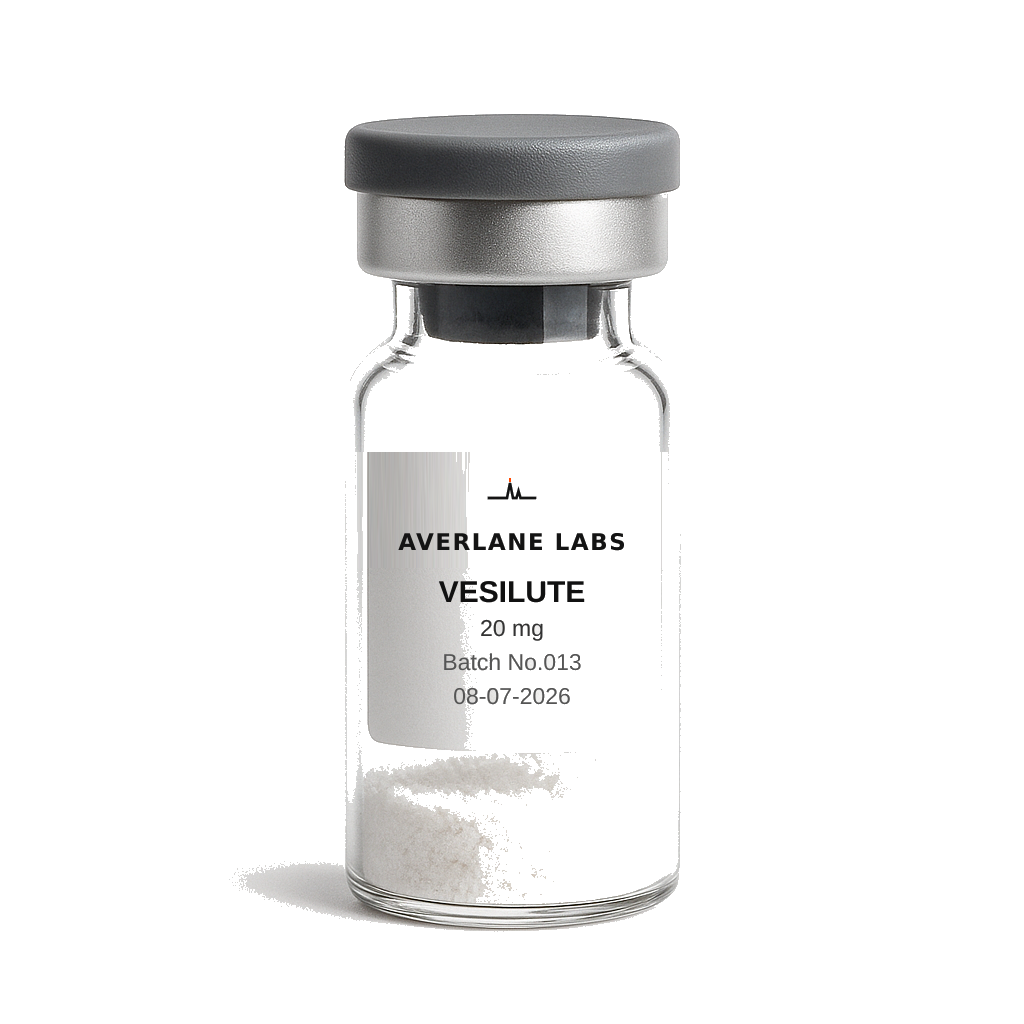
Vesilute 20mg
Certificate of Analysis available on request for the current lot.
Complete the setup
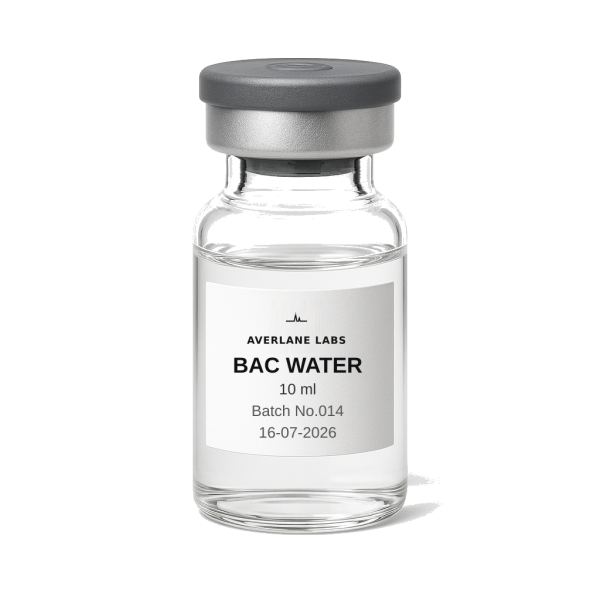
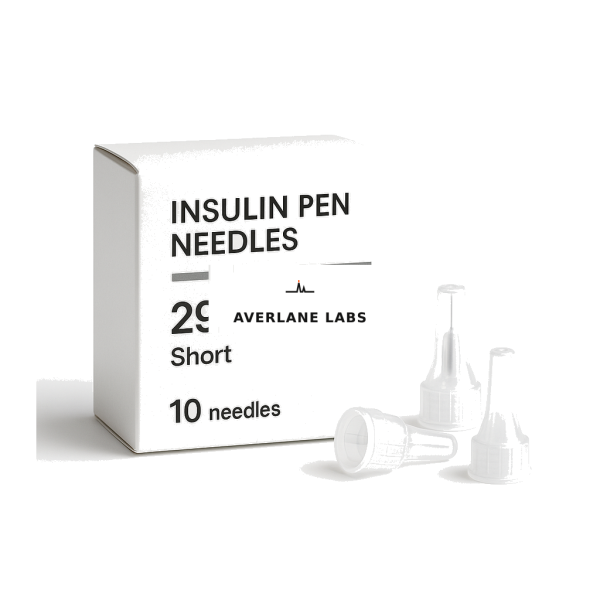
Reconstitution and bench supplies researchers pair with Vesilute 20mg
NOT FOR HUMAN CONSUMPTION
Vesilute is best viewed as a Khavinson-style ultrashort peptide bioregulator aimed at the lower urinary tract / bladder, not a globally established, evidence-based mainstream therapy. Public sources and peptide catalogs usually describe it as the Glu-Asp dipeptide, while some commercial pages also connect it to bladder and prostate research. The main limitation is that the accessible evidence is thin and uneven: there is some broader Khavinson-peptide literature and some bladder-focused regional literature, but Vesilute-specific, high-quality independent clinical evidence is sparse.
Additional benefits of Vesilute under investigation
| Benefit | Take-away |
|---|---|
| 1. Bladder / lower urinary tract support | This is the core positioning. Vesilute is mainly described as a peptide for bladder and urinary-system biology. |
| 2. Overactive bladder / urinary dysfunction interest | The broader peptide-bioregulator literature around bladder-targeted products suggests symptom-oriented bladder research interest, but direct Vesilute-specific proof is limited. |
| 3. Prostate-related crossover claims | Some sellers and peptide references extend the claim set to prostate tissue, but this is weaker and often extrapolated rather than well demonstrated for Vesilute itself. |
| 4. Age-related urinary function interest | Khavinson-style peptides are often framed as geroregulatory; Vesilute is sometimes placed in that context for age-related bladder dysfunction, though the strongest bladder-aging trial literature appears to involve related products, not Vesilute itself. |
| 5. Gene-expression / bioregulation hypothesis | The proposed mechanism is usually framed as short-peptide regulation of gene expression and protein synthesis, but this is a broad Khavinson-peptide hypothesis, not a clinically proven Vesilute-specific mechanism. |
| 6. Transport feasibility as an ultrashort peptide | Reviews on ultrashort peptides support the plausibility that di- and tripeptides can be transported by peptide/amino-acid transport systems, which helps the platform rationale. |
| 7. Not a proven mainstream urology treatment | The evidence base is not strong enough to treat Vesilute as a validated standard therapy for cystitis, overactive bladder, BPH, or incontinence. |
| 8. Marketing often runs ahead of evidence | Many strong claims come from product pages and peptide vendors rather than from large independent trials. |
2. Molecular mechanism of action
2.1 Receptor pharmacodynamics
Vesilute does not have a classic single-receptor drug pharmacology. It is generally presented as an ultrashort peptide bioregulator, usually Glu-Asp, with proposed effects on cellular regulation in bladder-related tissues. In the Khavinson framework, these peptides are hypothesized to influence gene expression and protein synthesis, rather than acting like a typical receptor-selective small-molecule drug.
2.2 Downstream biology
| Pathway / theme | Functional outcome | Context |
|---|---|---|
| Ultrashort-peptide bioregulation | Proposed support of tissue-specific protein synthesis | Khavinson peptide model |
| Transport via peptide / amino-acid transporters | Supports plausibility of cellular uptake | Platform biology |
| Bladder-tissue targeting claims | Proposed normalization of bladder function | Commercial / translational framing |
| Prostate crossover claims | Suggested adjacent urogenital effects | Mostly extrapolative/vendor framing |
These mechanisms are biologically plausible at a platform level, but they do not establish strong Vesilute-specific clinical efficacy.
3. Pharmacokinetics
Vesilute is typically described as an ultrashort peptide, usually the Glu-Asp dipeptide. The broader ultrashort-peptide literature supports the plausibility that such peptides can be handled by LAT and PEPT-family transport systems, but I did not find a robust, drug-style pharmacokinetic literature specifically characterizing Vesilute in the way you would expect for an approved medicine.
4. Preclinical and clinical evidence
4.1 Bladder / urinary function
This is the best-supported intended niche, but the support is still limited. Vesilute is consistently marketed and described as targeting the bladder and urinary system, yet much of that appears to come from product descriptions and peptide explainers, not strong independent trials.
4.2 Related bladder-bioregulator evidence
There is some bladder-focused literature in the same broader ecosystem, including a 2024 review on bioregulatory therapy for overactive bladder and a 2024 study of Vesusten in neurogenic bladder overactivity in multiple sclerosis. But that is not the same thing as direct evidence for Vesilute, so it should be treated as context, not proof.
4.3 Evidence quality
This is the main limitation. I did not find a strong body of large, modern, independent randomized trials specifically validating Vesilute for overactive bladder, cystitis, prostatitis, or incontinence. The fairest summary is therefore: interesting bladder-focused peptide concept, but clinically undervalidated.
5. Emerging clinical interests
| Field | Rationale | Status |
|---|---|---|
| Bladder dysfunction / LUTS | Main historical positioning | Plausible, weakly validated for Vesilute itself |
| Overactive bladder | Broader bioregulatory-urology context | Context exists, Vesilute-specific proof limited |
| Age-related bladder decline | Geroregulatory peptide rationale | Exploratory / indirect support |
| Prostate / urogenital crossover | Common marketing extension | Weak and extrapolative |
6. Safety and tolerability
I did not find a mature, internationally recognized safety database for Vesilute comparable to an approved urology drug. The public-facing material generally treats it as a low-intensity peptide bioregulator, but that is not enough to establish well-characterized human safety. The best framing is: safety appears insufficiently characterized by mainstream standards.
7. Contraindications and cautions
Use extra caution with:
- treating Vesilute as a proven bladder therapy, because the direct evidence base appears sparse.
- assuming claims about prostate, fertility, or broad anti-aging effects are well established, because these often come from extrapolation and vendor material.
- replacing established urologic care for OAB, BPH, cystitis, neurogenic bladder, or incontinence, because Vesilute is not validated at that level.
- relying on gray-market peptide pages as if they were equivalent to regulatory-grade evidence.
8. Comparative practical matrix
| Feature | Vesilute |
|---|---|
| Main strength | Bladder-focused ultrashort peptide concept |
| Best-supported use case | Investigational urinary/bladder support |
| Clinical evidence depth | Sparse and uneven |
| Core limitation | Weak Vesilute-specific independent validation |
| Main mechanism | Khavinson-style ultrashort peptide bioregulation hypothesis |
| Main safety concern | Poorly characterized by mainstream clinical standards |
| Best practical framing | Research / niche peptide bioregulator, not proven standard therapy |
9. Regulatory landscape
Vesilute is best understood as a niche peptide bioregulator / research-market product, not a widely accepted mainstream approved therapy in international urology. The current public evidence and commercial positioning do not support stronger wording than that.
10. Future directions
The most useful future work would be:
- clear Vesilute-specific randomized trials,
- stronger indication-specific studies for overactive bladder or age-related bladder dysfunction,
- better pharmacokinetic and safety characterization,
- and independent replication outside the current peptide-vendor / Khavinson-product ecosystem. These are the main gaps suggested by the currently accessible evidence.
Best balanced summary
Vesilute is best viewed as a bladder-oriented ultrashort peptide bioregulator, usually described as the Glu-Asp dipeptide, with a plausible but weakly validated role in lower urinary tract support. The concept fits the broader Khavinson peptide framework, but Vesilute-specific clinical evidence is sparse, safety is not characterized to mainstream drug standards, and it should not be framed as a proven urology treatment.
Selected references
- Khavinson et al. on transport of biologically active ultrashort peptides, best mainstream source for the general ultrashort-peptide platform logic.
- Anisimov / Khavinson peptide bioregulation reviews, useful for the broader peptide-bioregulator framework that Vesilute is usually placed in.
- Vesilute/Vesilut product and explainer pages, useful for identity and claimed target tissue, but much weaker as evidence of efficacy.
- 2024 review on bioregulatory therapy for overactive bladder, useful context for the surrounding bladder-bioregulator field, though not direct Vesilute proof.
- 2024 Vesusten neurogenic bladder paper, useful adjacent context showing active regional interest in peptide/polypeptide bladder therapeutics.
Researcher reviews
No reviews yet for this lot line. Verified purchasers can leave the first one.
Reviews
There are no reviews yet.