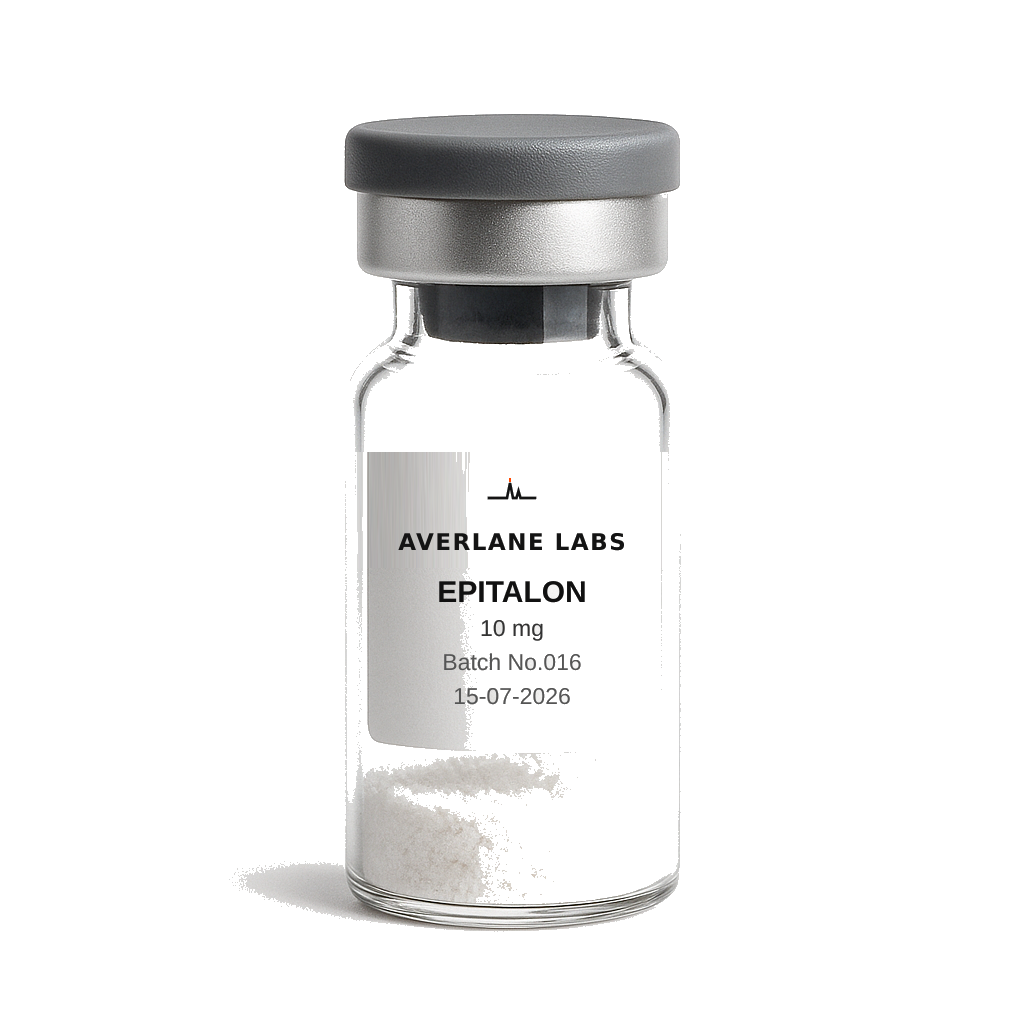
Epitalon 10mg vial
Certificate of analysis
Lot AL-EPITAL-2601 · Purity 99.14% · Tested 2026-08-21
Complete the setup
Reconstitution and bench supplies researchers pair with Epitalon 10mg vial
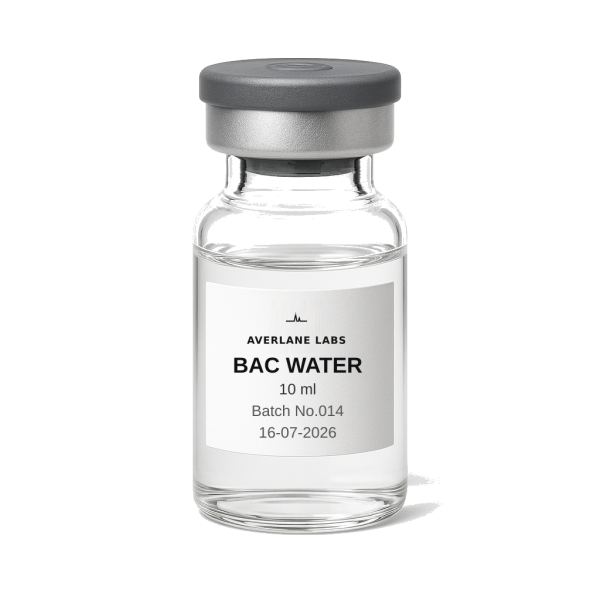
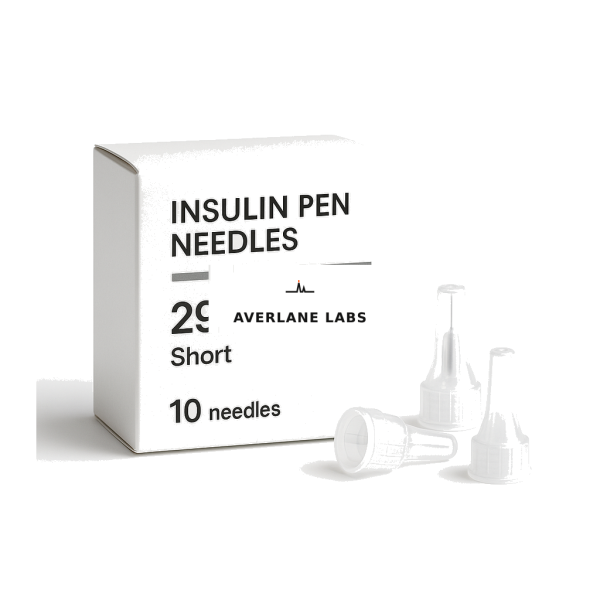
NOT FOR HUMAN CONSUMPTION
Epitalon (Ala–Glu–Asp–Gly; AGAG) is a short tetrapeptide derived from the bovine-pineal extract “epithalamin,” developed by the St. Petersburg/Khavinson group. It’s marketed as a “geroprotective” peptide with proposed actions on telomerase activation, chromatin remodeling, circadian signaling, and stress-response pathways. It is not FDA/EMA-approved; human evidence consists mostly of small, regionally published trials and observational series.
Additional Benefits of Epitalon Now Under Investigation
| Benefit | Key take-aways |
|---|---|
| 1 Telomerase / telomere dynamics | In cell/animal studies, Epitalon up-regulates TERT and slows telomere attrition; limited human data report telomere length stabilization over months, methodology and durability remain debated. |
| 2 Circadian & melatonin signaling | Reported night-time melatonin increases, improved sleep quality, and seasonal rhythm normalization in older adults, consistent with pineal-axis modulation. |
| 3 Immune function in aging | Observational programs note higher T-cell counts and reduced respiratory infectionincidence in elderly cohorts receiving cyclic courses; controlled, blinded evidence is sparse. |
| 4 Antioxidant / stress-response | In models, peptide reduces lipid peroxidation, normalizes SOD/GPx, and modulates NF-κB/Nrf2 signalling; human biomarker data are small and heterogeneous. |
| 5 Metabolic markers | Signals for modest glycaemic and lipid improvements (↓ fasting glucose, TG) in some aging cohorts; confounded by concurrent lifestyle changes. |
| 6 Ocular/retinal support | Small studies suggest improved retinal electrophysiology and function in age-related ocular changes; needs replication with modern endpoints. |
| 7 Reproductive/endocrine aging | Limited data hint at gonadotropic and thyroid tone normalization in elderly; clinical relevance uncertain. |
| 8 Onco-gerontology signal (prophylactic) | Long follow-ups from Russian registries propose lower cancer incidence/mortality with multi-year peptide programs; absence of randomized, blinded designs limits inference. |
| 9 Physical function & QoL | Reports of improved exercise tolerance, sleep, and self-rated health in older adults on cyclic therapy; placebo-controlled confirmation is lacking. |
2. Molecular Mechanism of Action
2.1 Proposed pharmacodynamics
-
Telomerase/epigenetic: Enhances TERT expression and may influence heterochromatin maintenance at telomeric/subtelomeric regions.
-
Pineal/circadian: Modulates melatonin synthesis and clock-gene output (e.g., BMAL1/Per axes), supporting sleep–wake regulation.
-
Stress/inflammation: Down-shifts NF-κB, supports Nrf2 antioxidant responses, improves mitochondrial redoxmetrics in models.
2.2 Down-stream biology
| Pathway | Functional outcome | Context |
|---|---|---|
| TERT/telomere maintenance | ↓ Replicative senescence markers | In vitro, animal |
| Clock genes / melatonin | Sleep consolidation, circadian alignment | Older adults (signals) |
| Nrf2–ARE / antioxidant enzymes | ↓ ROS, lipid peroxidation | Liver, heart, brain (models) |
| NF-κB restraint | ↓ Pro-inflammatory cytokines | Immunosenescence |
| Mitochondrial function | ↑ Membrane potential, ↓ mtROS | Neurons/myocytes (models) |
3. Pharmacokinetics
-
Route: Reported SC/IM injections (common in publications), intranasal, and occasional oral/sublingual use; no standardized formulation.
-
Absorption/half-life: Very short plasma t½ for the tetrapeptide (minutes–hours); hypothesized epigenetic/circadian effects may outlast exposure.
-
Distribution/clearance: Rapid tissue uptake and renal peptidase clearance expected; human PK is not well characterized.
4. Pre-clinical and Translational Evidence
4.1 Cellular/animal
-
In vitro: TERT up-regulation, telomere preservation, improved chromosomal stability, reduced β-gal senescence staining.
-
In vivo (rodents): Improved survival curves in some strains, antioxidant enzyme normalization, tumor latencyshifts in specific models, and circadian improvements.
4.2 Human studies
-
Small, mostly open-label or regionally randomized trials report improved melatonin profiles, sleep, immune markers, and some metabolic indices; multi-year observational data suggest mortality reduction when combined with other “cytomedins,” but methodology limits causal claims.
Evidence quality note: Most human data are low–moderate quality, with limited blinded, placebo-controlled trials and variable assay rigor for telomeres and hormones.
5. Emerging Clinical Interests
| Field | Rationale | Status |
|---|---|---|
| Insomnia/circadian disruption in aging | Pineal–clock modulation | Pilot trials |
| Immunosenescence/influenza risk | T-cell support, inflammatory tone | Observational |
| Metabolic syndrome in elderly | Redox + circadian effects | Exploratory |
| Neurodegeneration (supportive) | Mitochondrial redox & sleep consolidation | Preclinical → pilot |
| Onco-prevention (hypothesis) | Telomere/homeostasis | Observational only |
6. Safety and Tolerability
-
Common: Injection-site discomfort, transient fatigue or alertness changes (timing-dependent), headache, mild GI upset with oral forms.
-
Endocrine: Possible melatonin-related daytime sleepiness if dosed late morning; rare vivid dreams.
-
Immunologic: No strong signals of immunosuppression; long-term immune stimulation vs regulation remains uncertain.
-
Oncology: Theoretical concern that telomerase activation might promote neoplastic cell persistence; animal data are mixed. Avoid in active cancer outside studies.
-
Drug interactions: Caution with sedatives (sleep synergy) and agents affecting circadian timing; minimal CYP interplay expected.
-
Special populations: Insufficient data in pregnancy, autoimmune disease, or active malignancy, avoid outside IRB protocols.
Comparative safety matrix
| Concern | Epitalon | Melatonin | Metformin (aging context) |
|---|---|---|---|
| Main action | Telomerase/circadian/anti-inflammatory (proposed) | Pineal hormone; circadian | AMPK/mitochondrial; metabolic |
| Evidence in aging outcomes | Low–moderate (regional) | Moderate for sleep; limited for aging | Mixed for aging; strong metabolic |
| Daytime sedation | Low–moderate (timing-dependent) | Possible | Low |
| Oncologic theory | Telomerase concern | Neutral | Mixed/neutral |
7. Regulatory Landscape
-
Not approved by FDA/EMA for any indication.
-
Available via research-chemical vendors or compounding in some locales; quality varies.
-
Use should remain within research/IRB-guided settings; marketing claims of “anti-aging cure” are not evidence-based.
8. Practical Use & Future Directions
-
If studied (research context): Consider cyclic courses (e.g., 10–20 days per quarter) aligned to sleep schedule(evening dosing) and track sleep metrics, inflammatory markers, and (if relevant) telomere assays with consistent methodology.
-
Lifestyle stack: Prioritize sleep hygiene, daytime light, exercise, protein sufficiency, and metabolic health, these have stronger, proven effects on longevity markers.
-
Trials needed:
-
Multicenter, randomized, double-blind trials with actigraphy, melatonin profiles, immune panels, and clinical endpoints.
-
Standardized PK/PD and bioanalytical validation for telomerase/telomere outcomes.
-
Long-term safety focused on oncology and immune balance.
-
Selected References
-
Aging-related peptide literature from the St. Petersburg Institute (epithalamin/Epitalon): telomerase/telomere, circadian, and immune observations.
-
Redox Biology; Free Radical Biology & Medicine, Antioxidant and NF-κB/Nrf2 signaling under peptide geroprotectors (preclinical).
-
Chronobiology International; Sleep Medicine, Melatonin/circadian endpoints in older adults (context for pineal-axis modulation).
-
Immunity; Frontiers in Immunology, Immunosenescence frameworks relevant to peptide-mediated immune tuning.
-
Oncogene; Cancer Research, Telomerase biology and theoretical oncologic implications of telomerase activation.
Researcher reviews
No reviews yet for this lot line. Verified purchasers can leave the first one.
Reviews
There are no reviews yet.