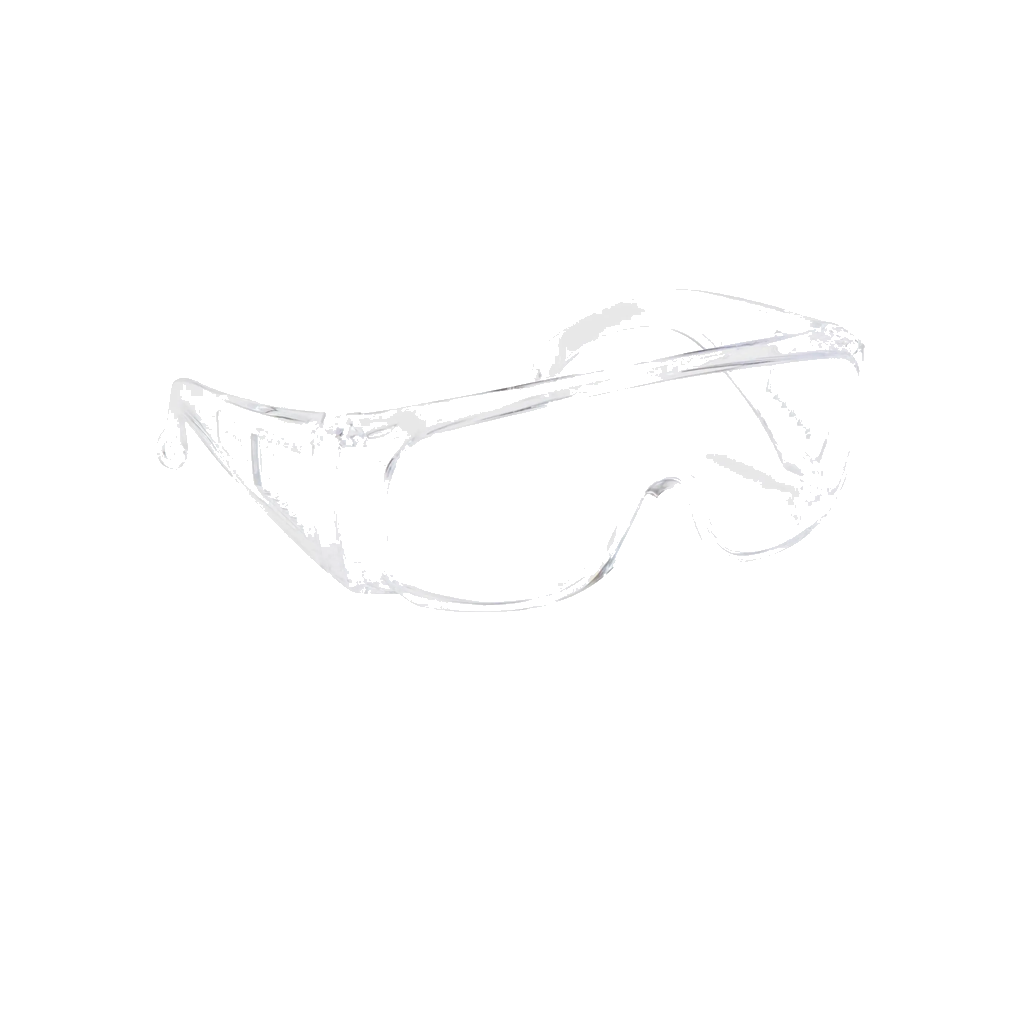
Safety glasses
Certificate of Analysis available on request for the current lot.
Complete the setup
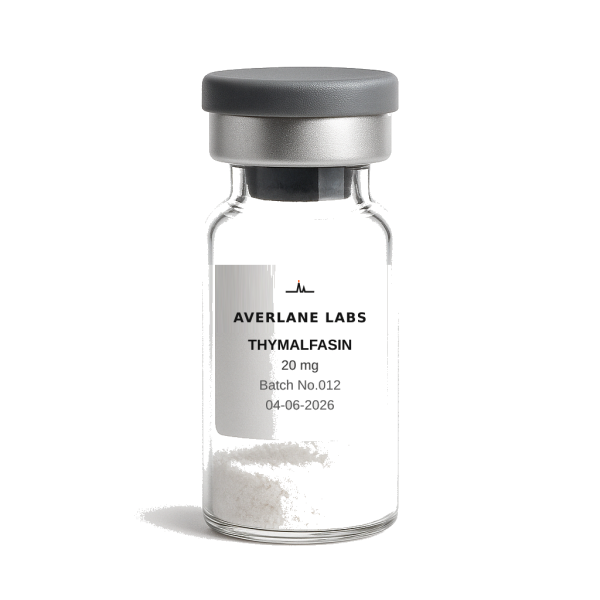
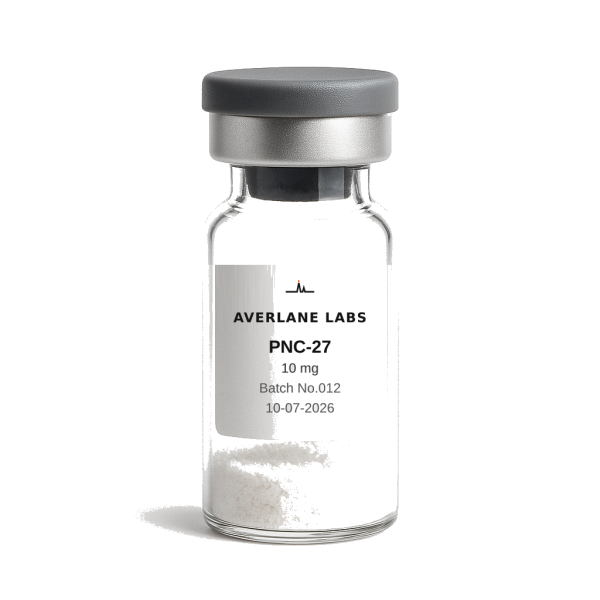
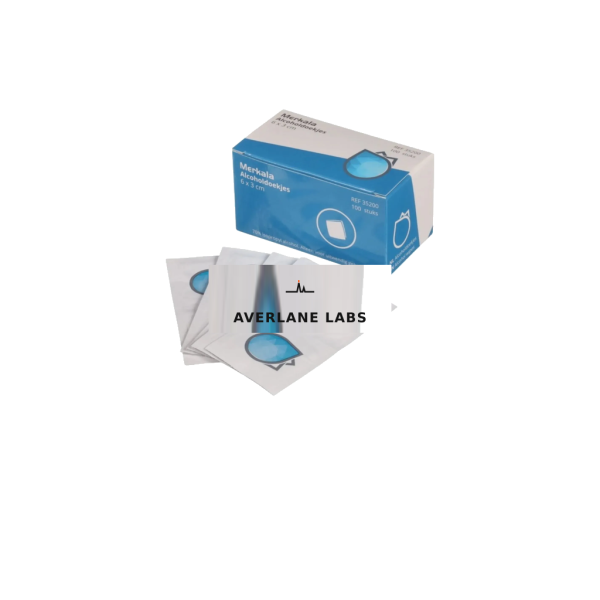
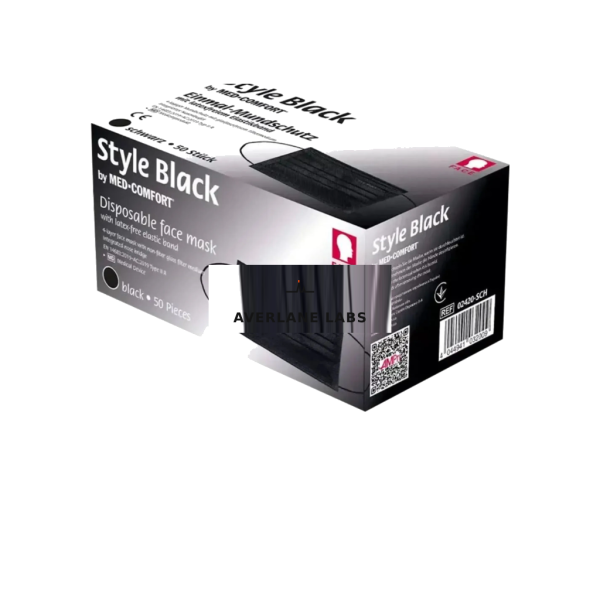
Reconstitution and bench supplies researchers pair with Safety glasses
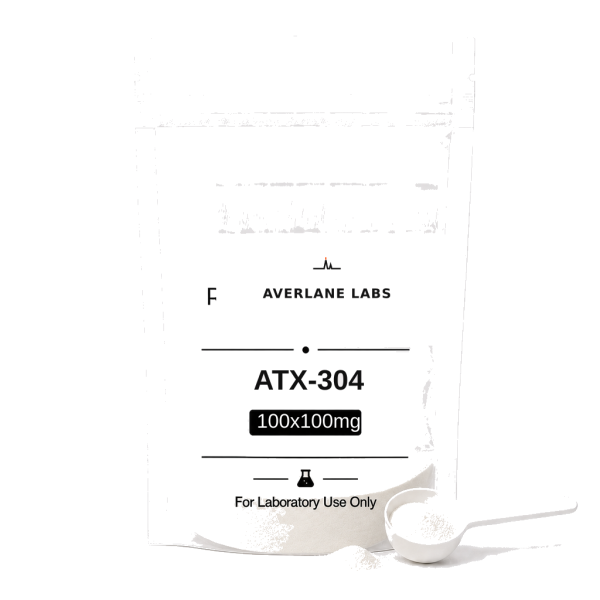
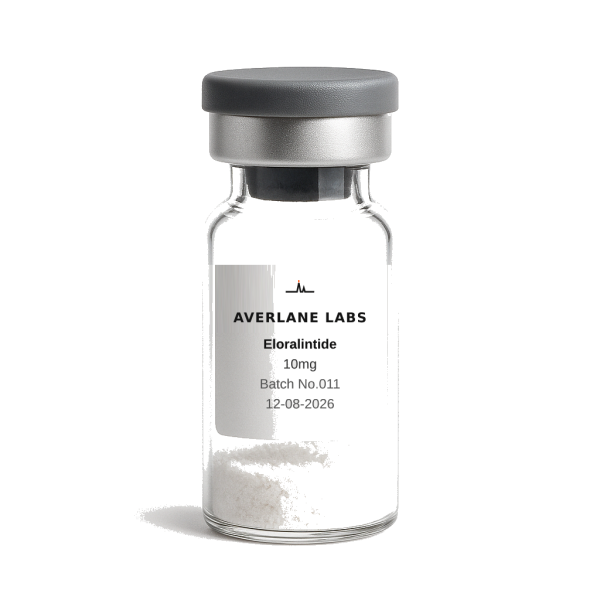
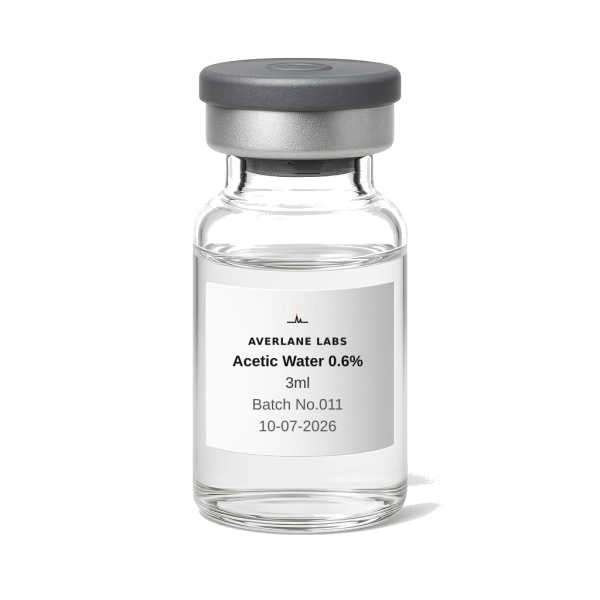
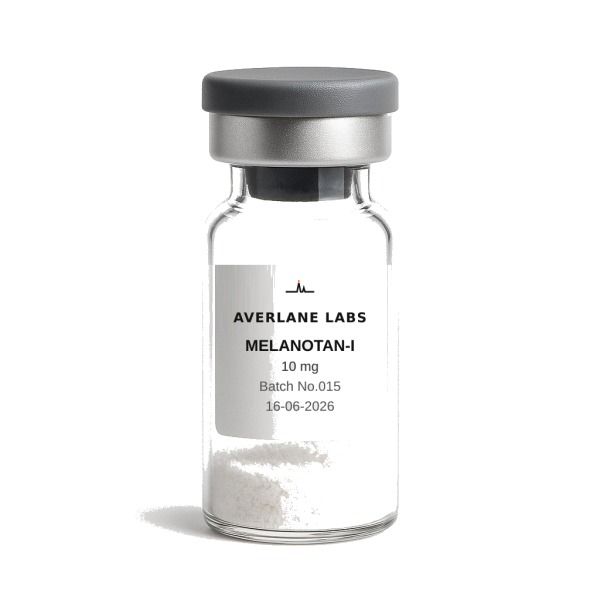
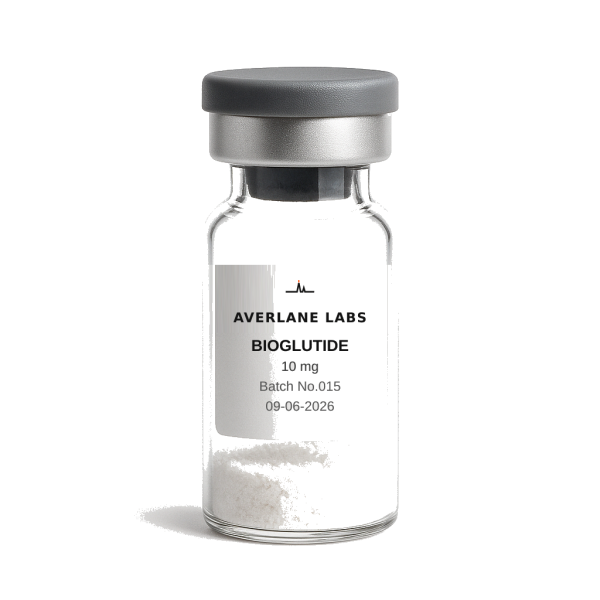
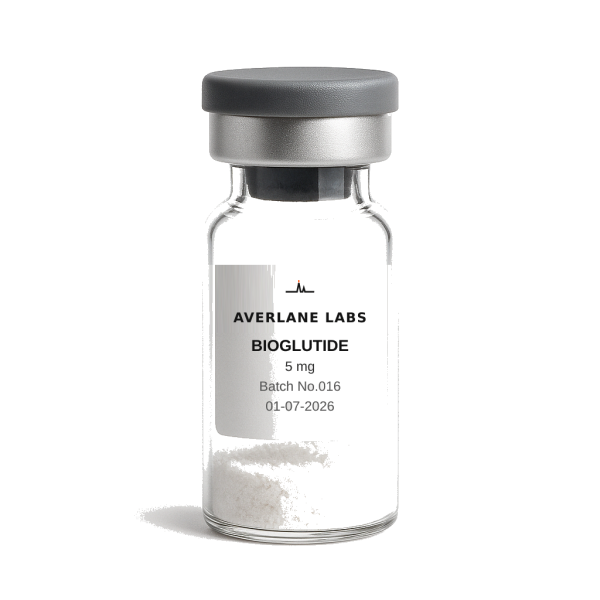
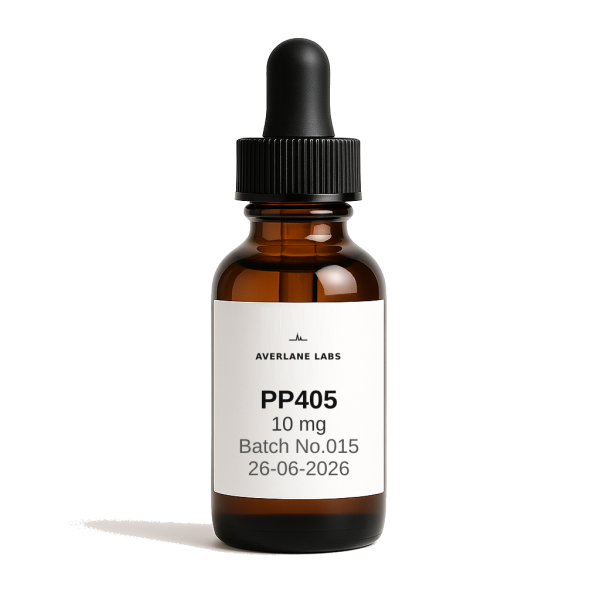

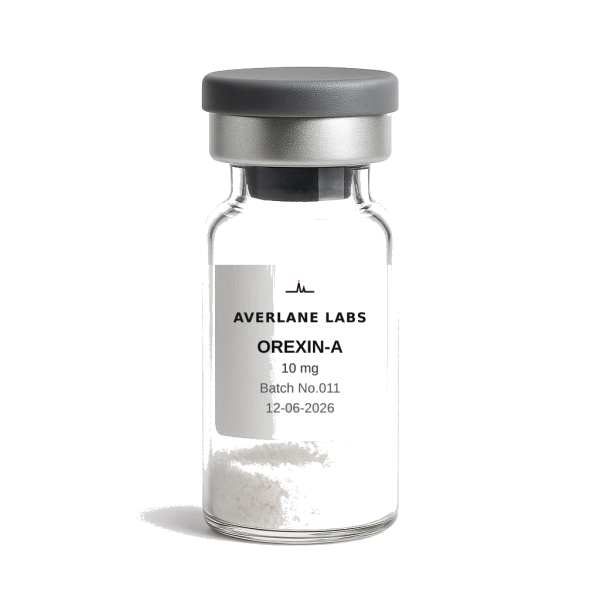
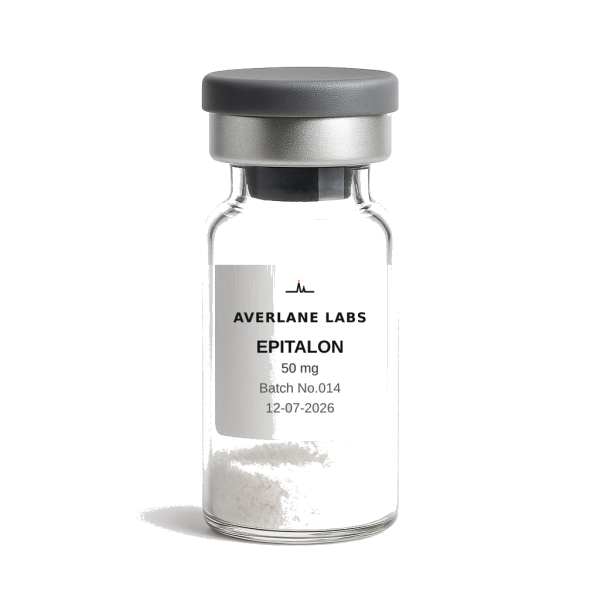
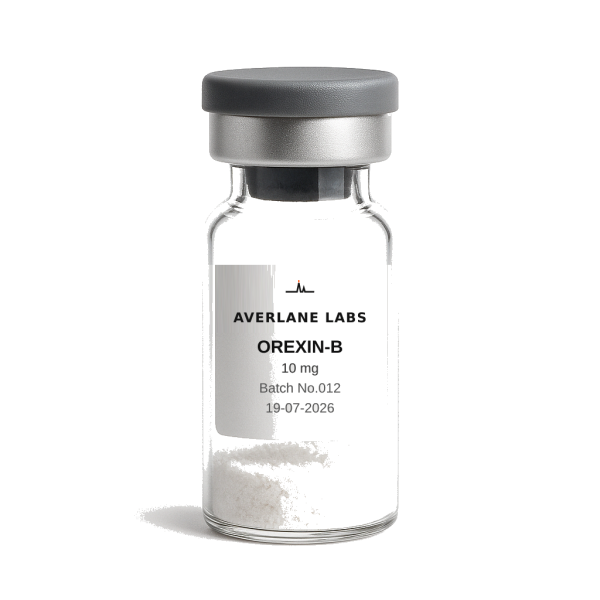
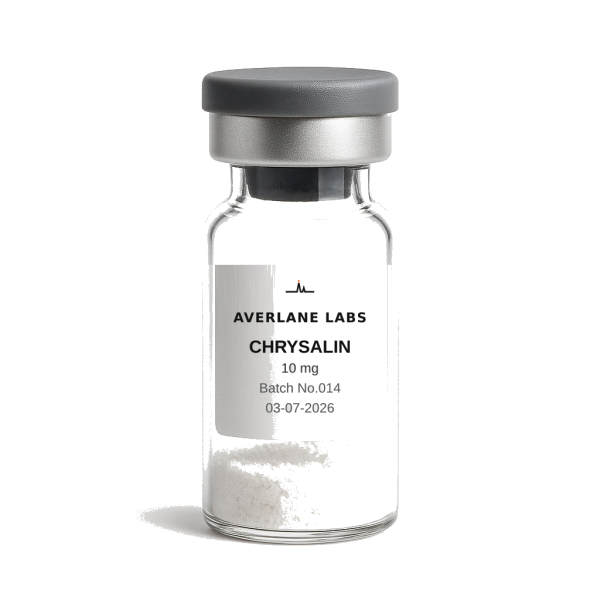
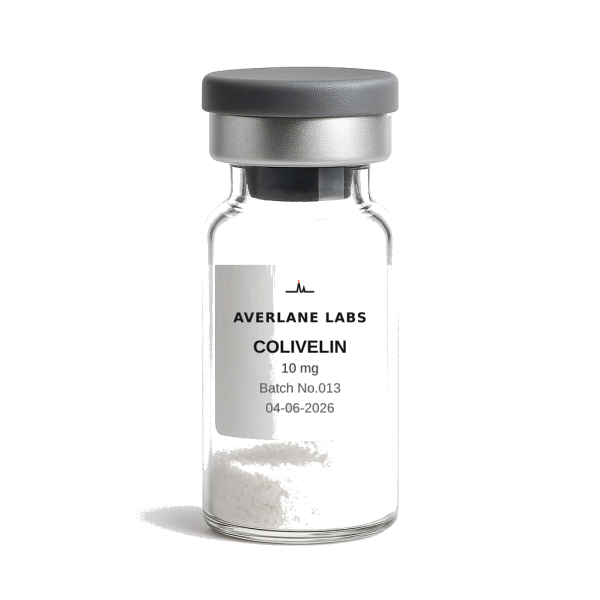
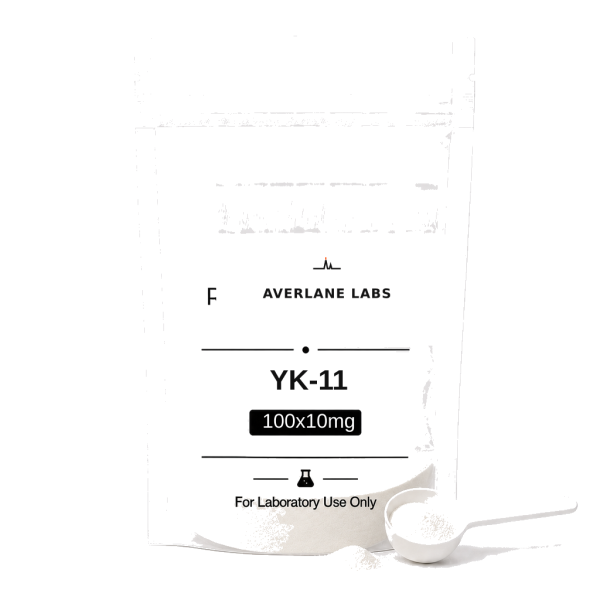
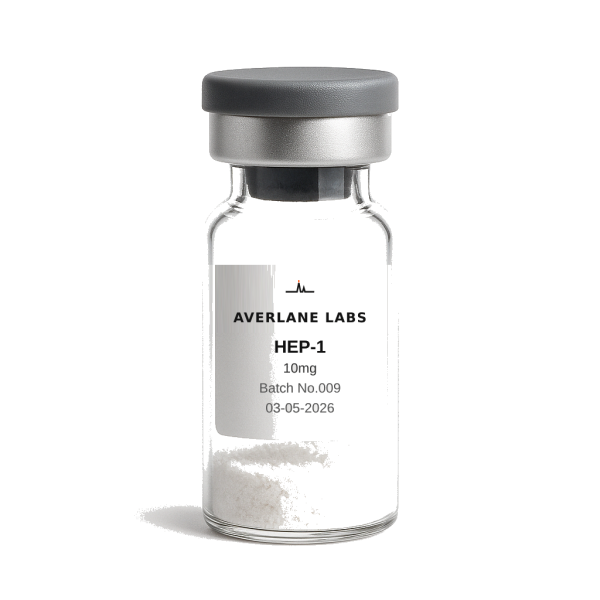

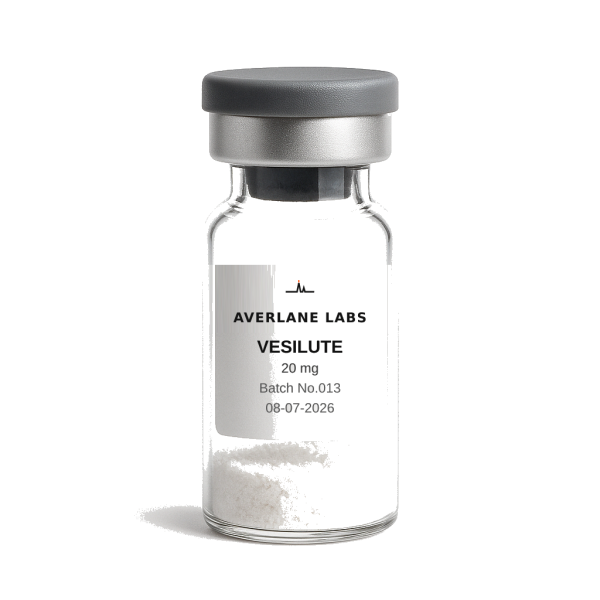
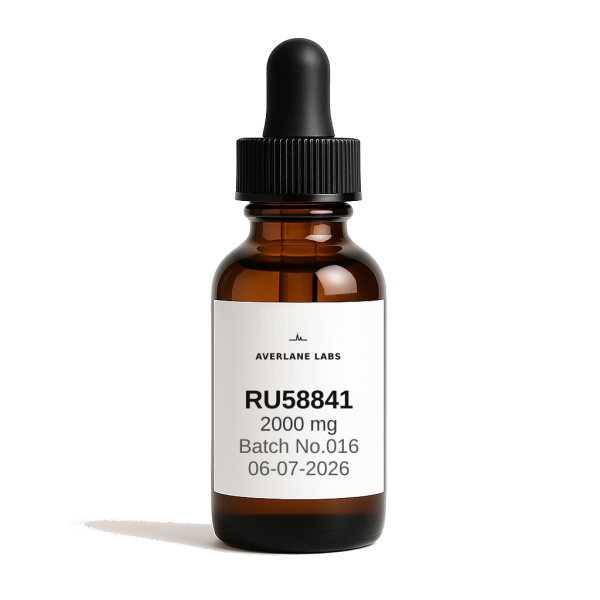
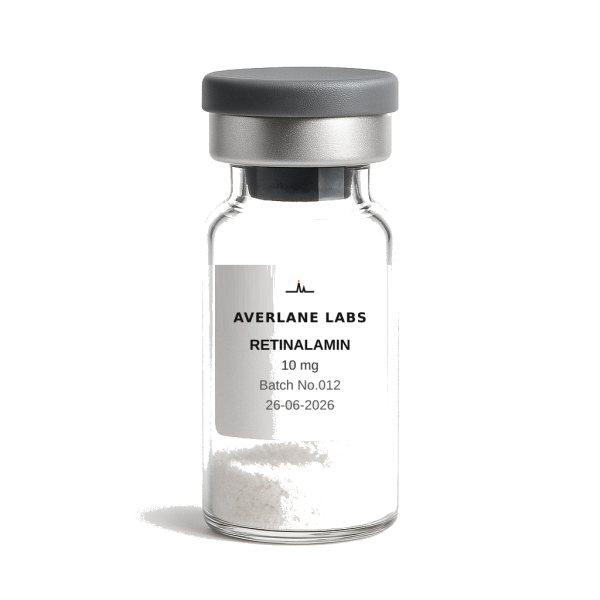
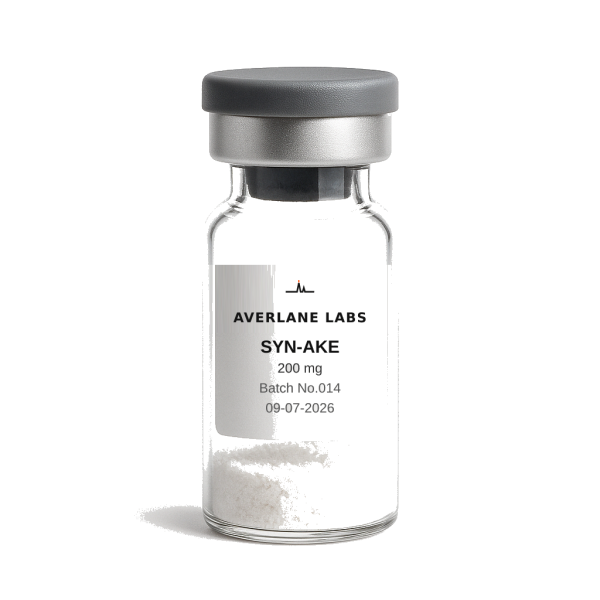
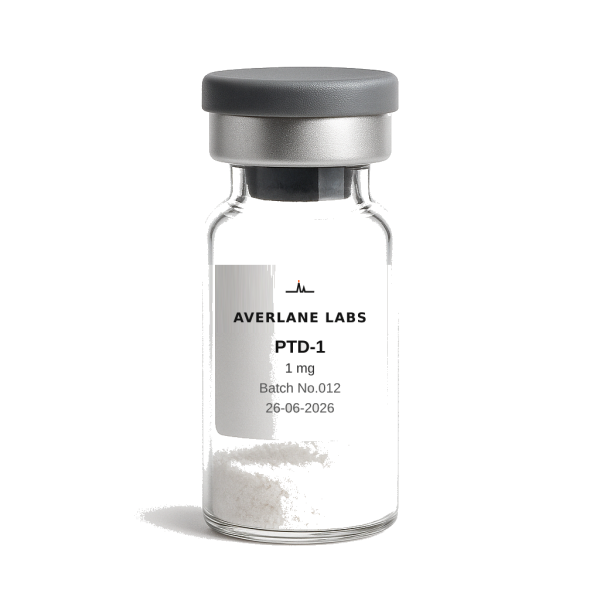
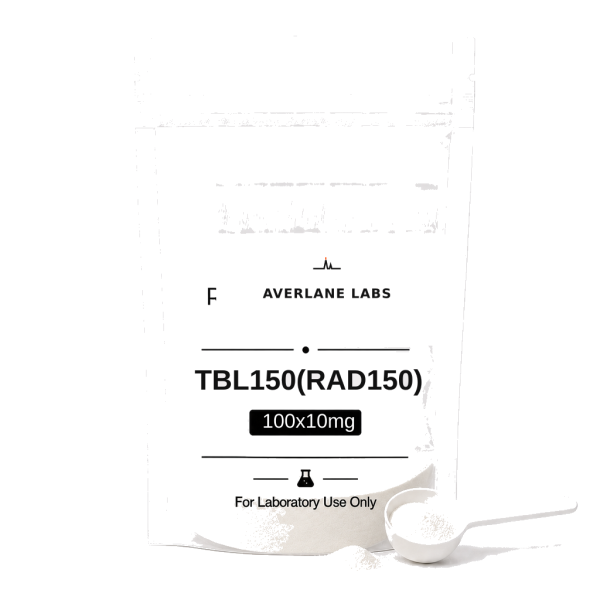
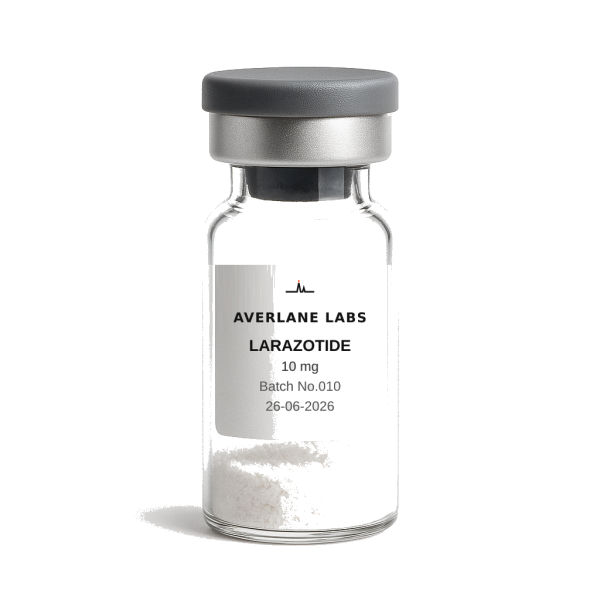
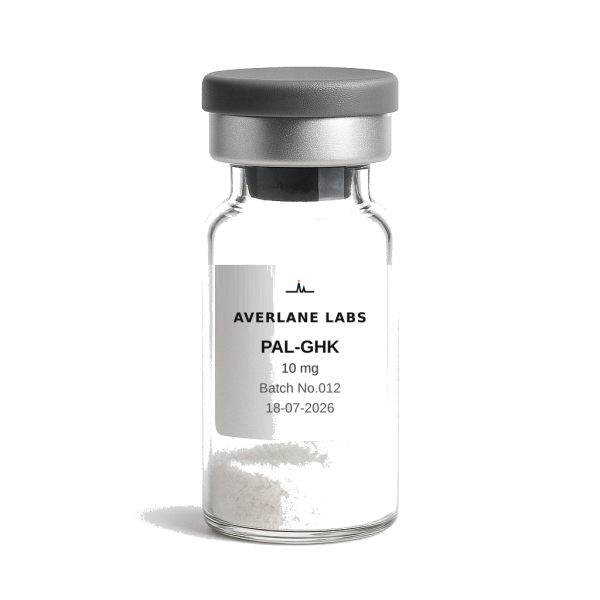
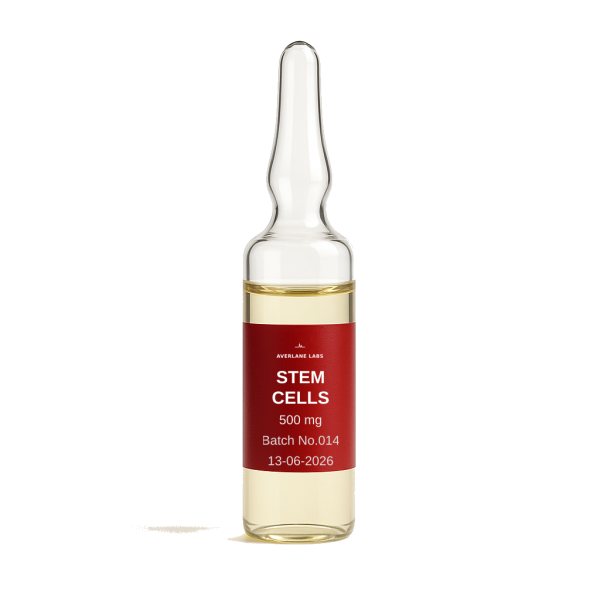
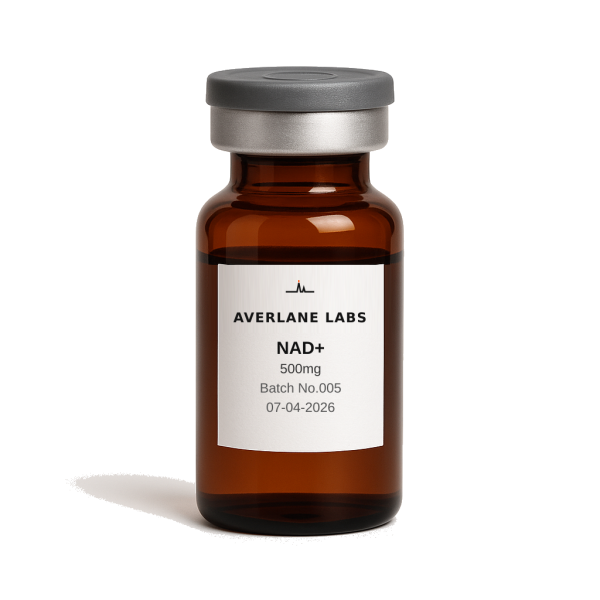
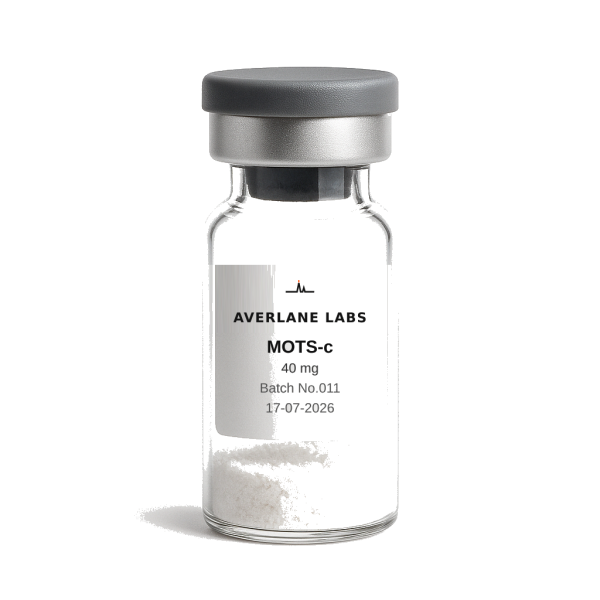
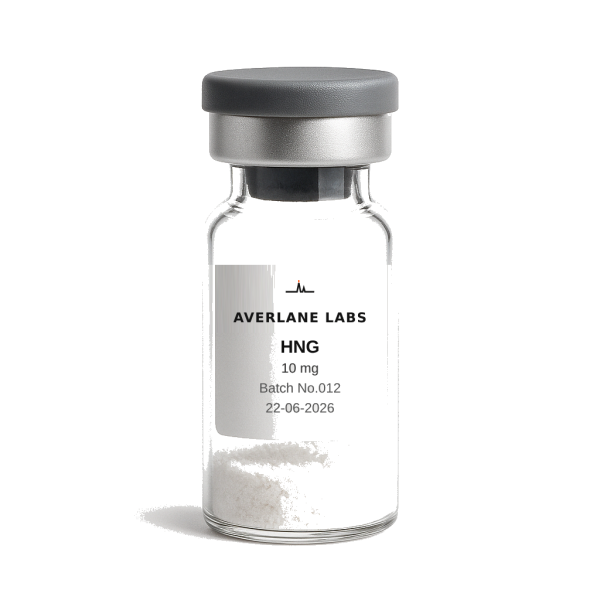
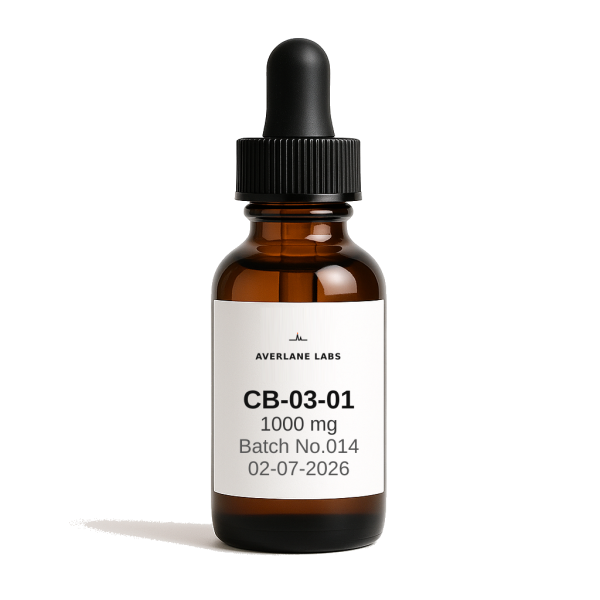
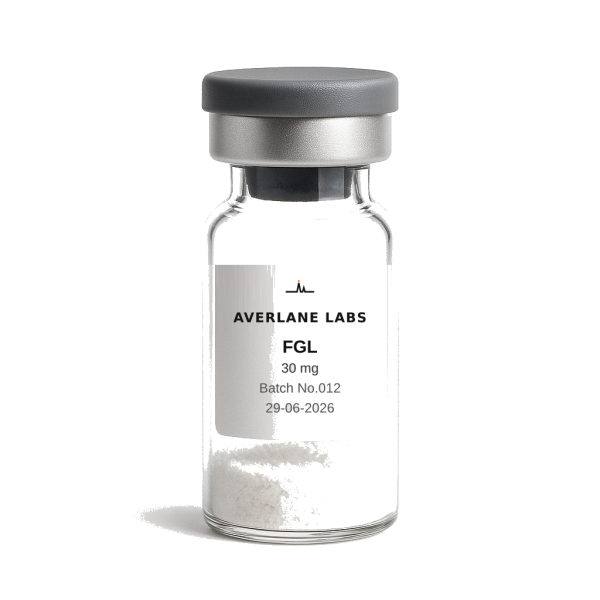
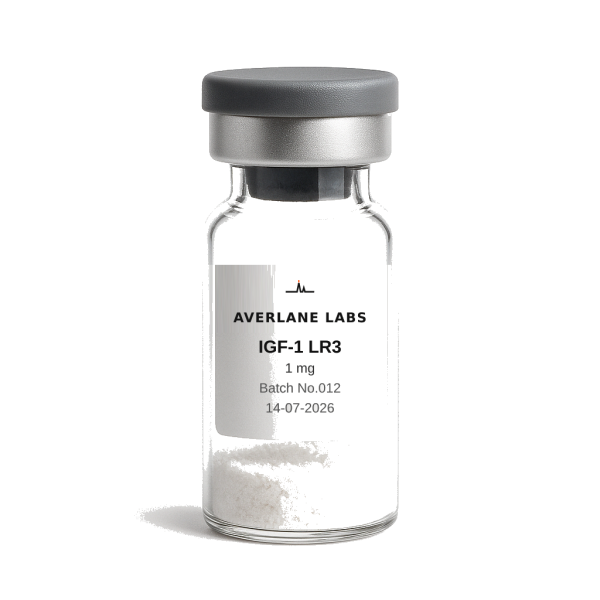
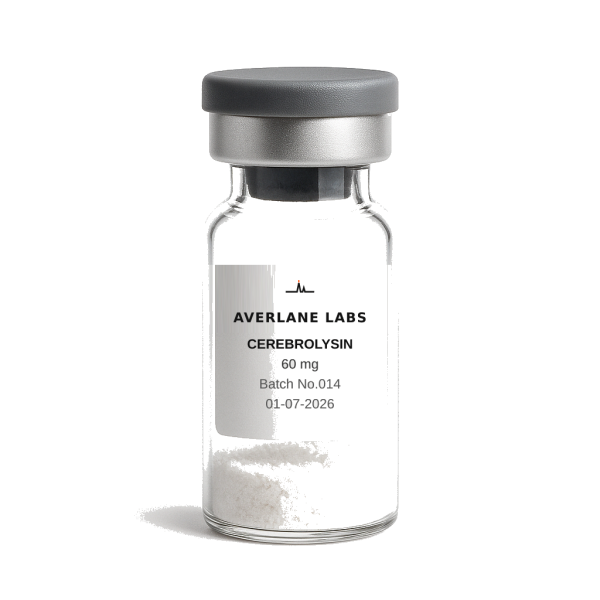
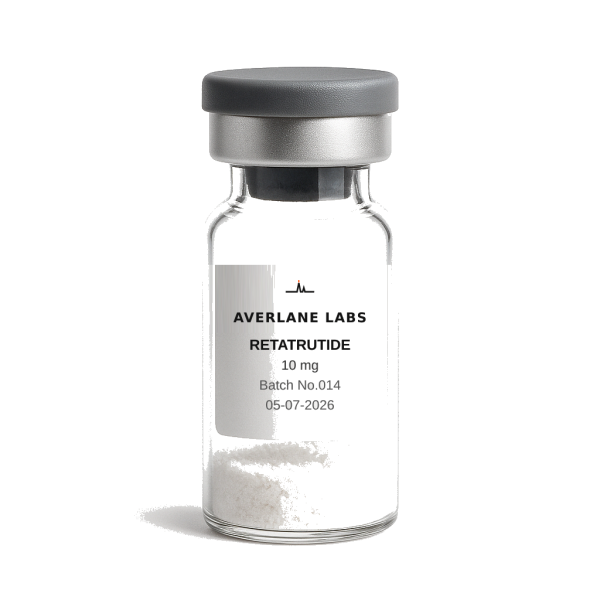
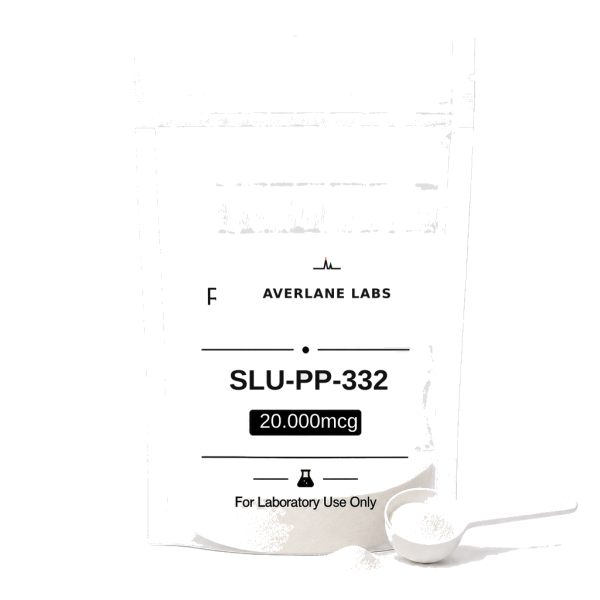
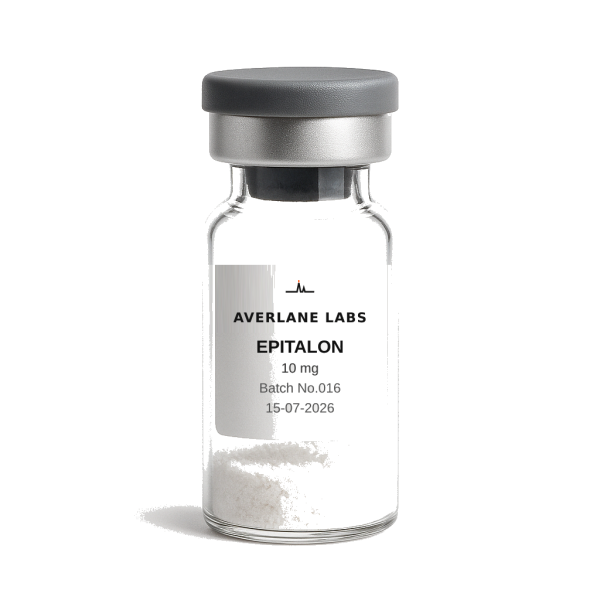
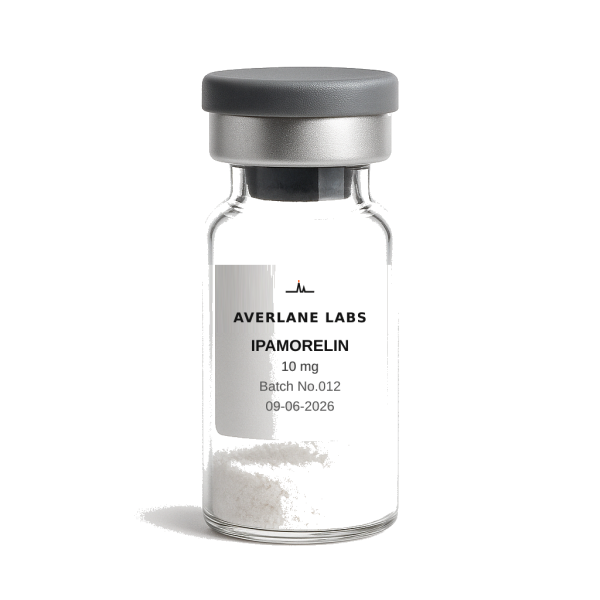
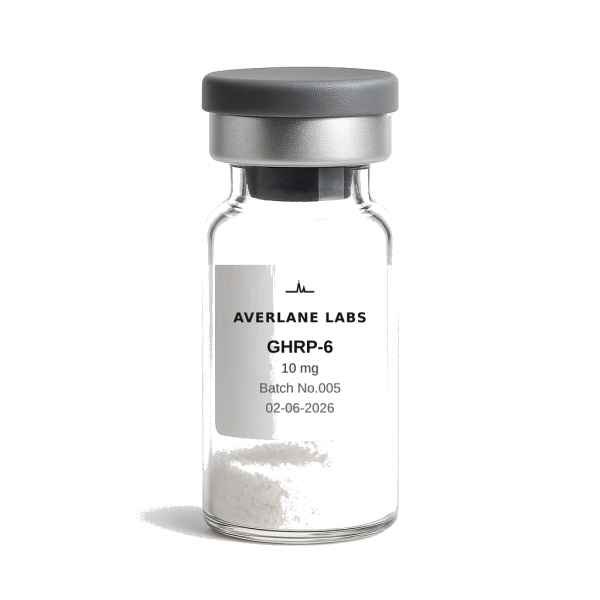
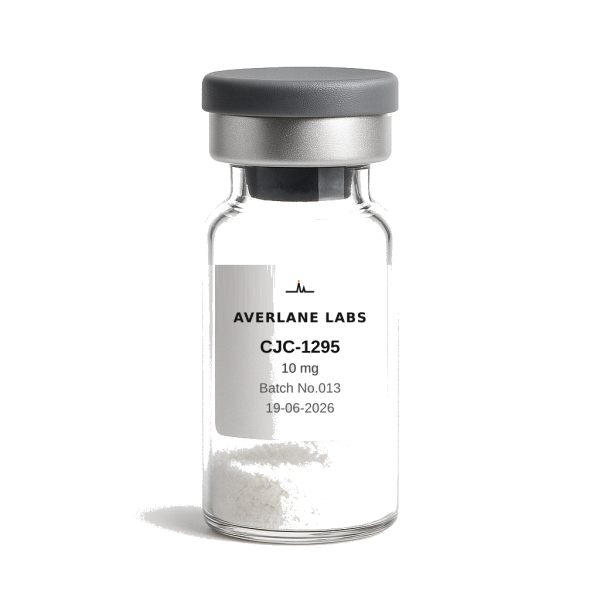
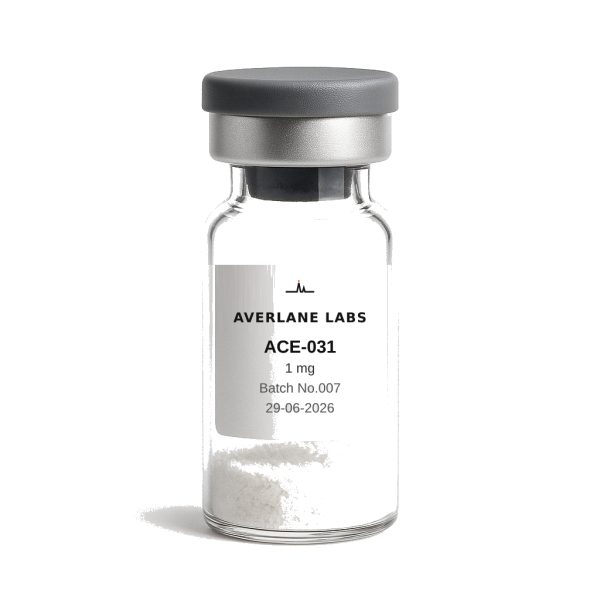
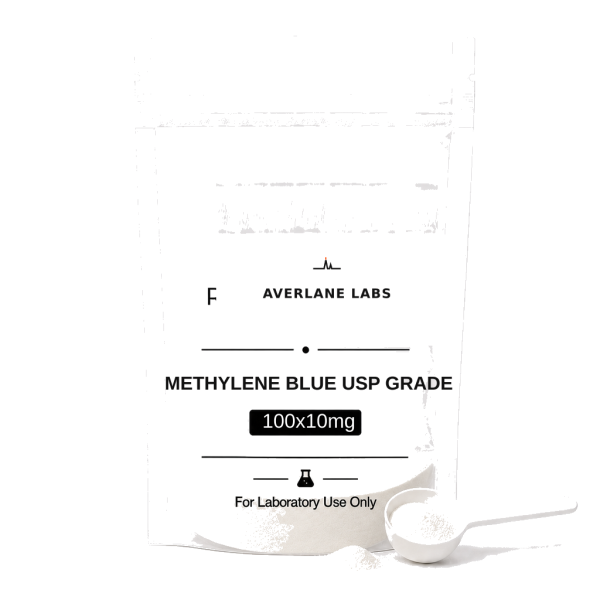
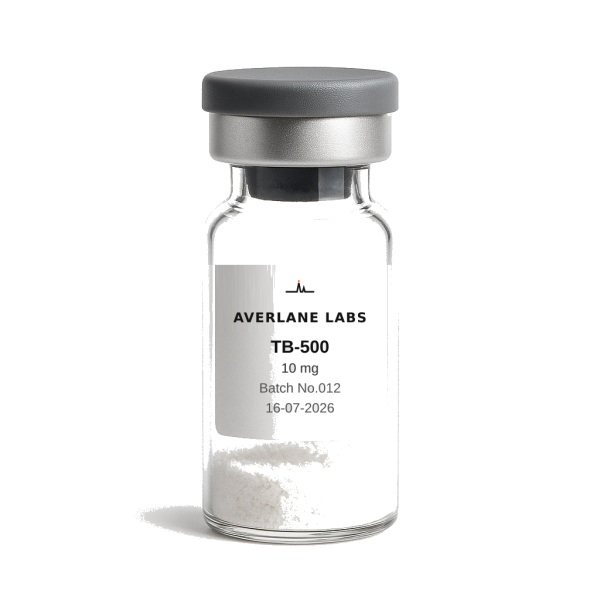
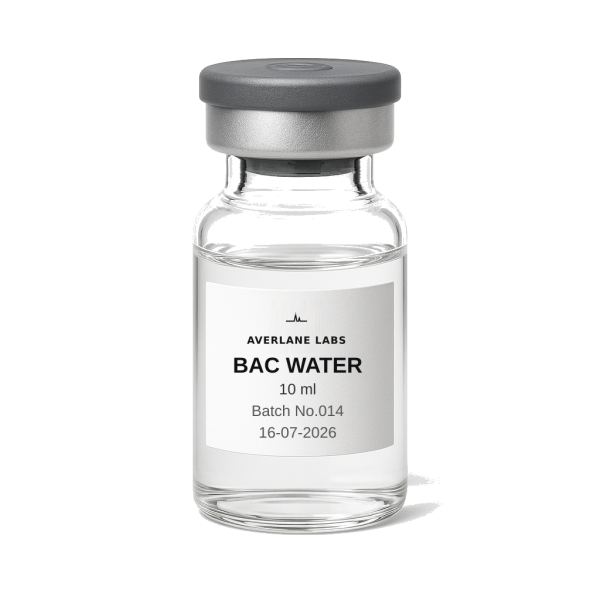
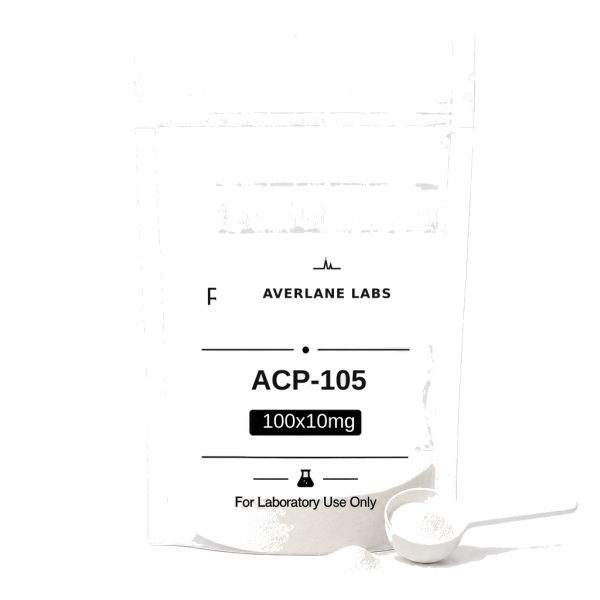
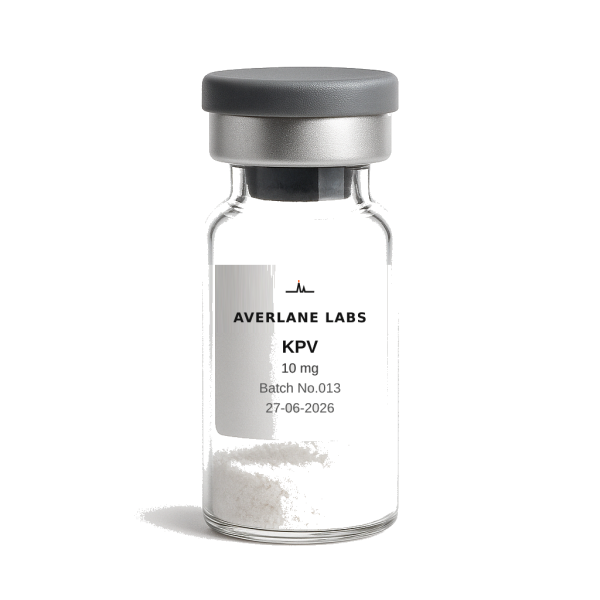
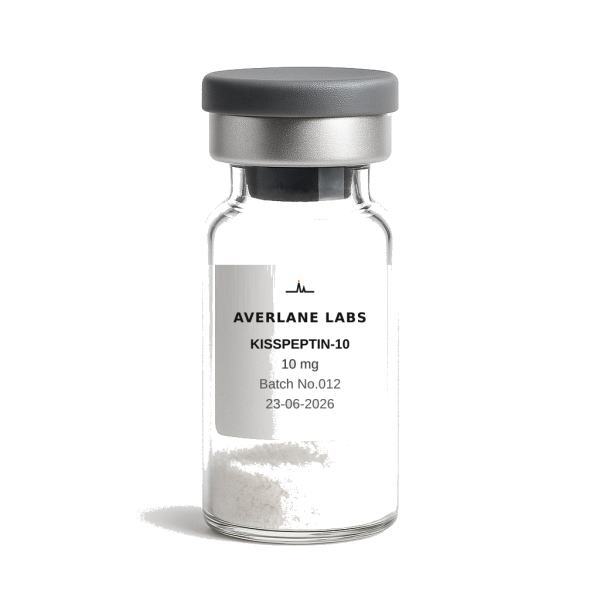
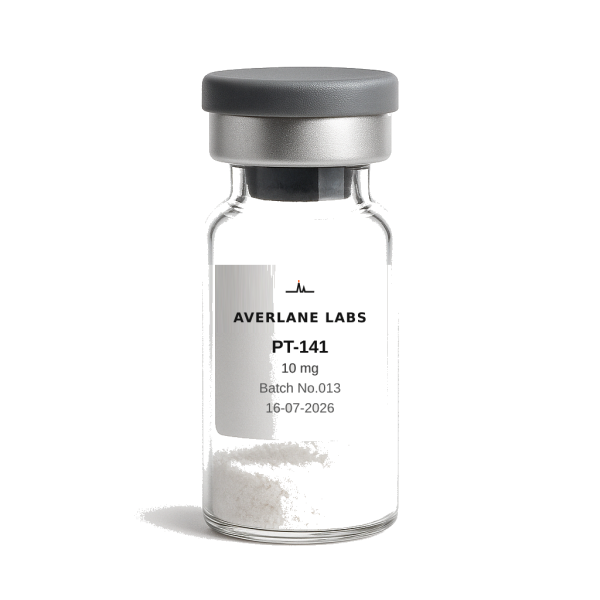
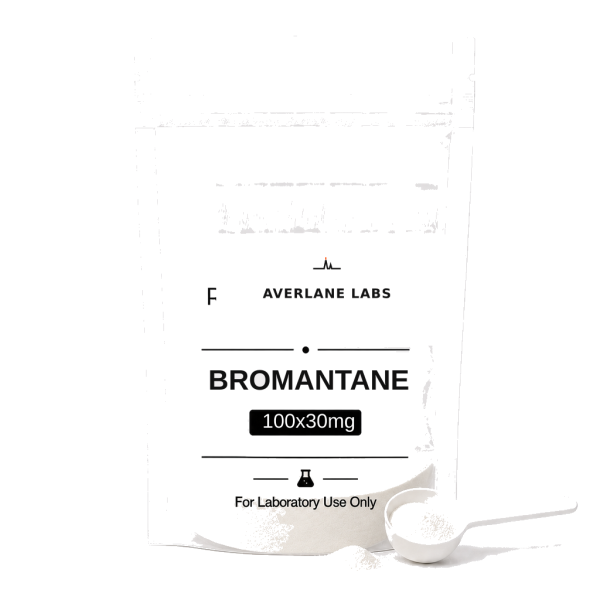
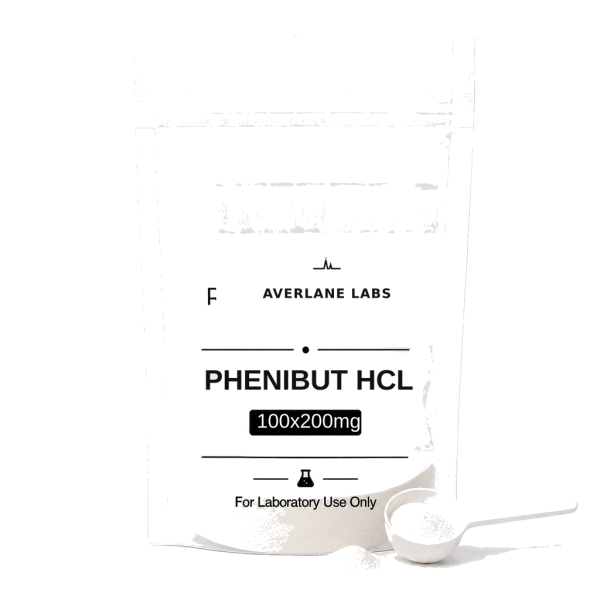
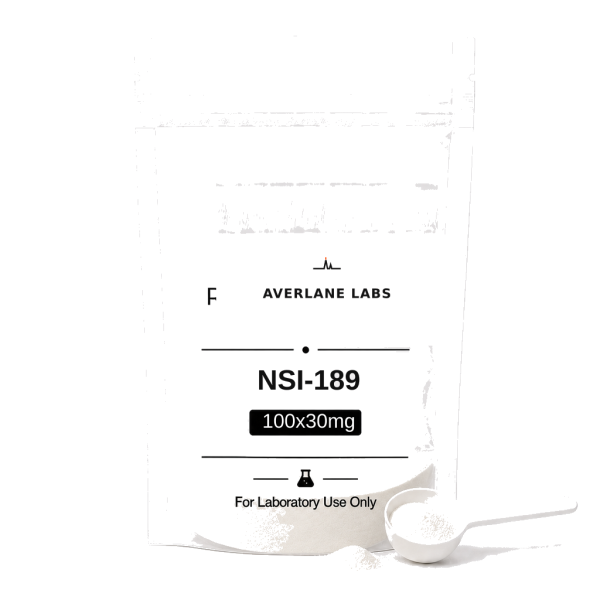
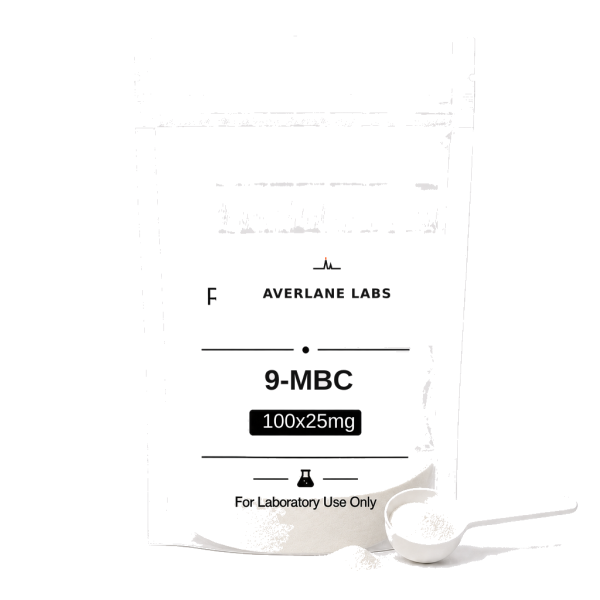
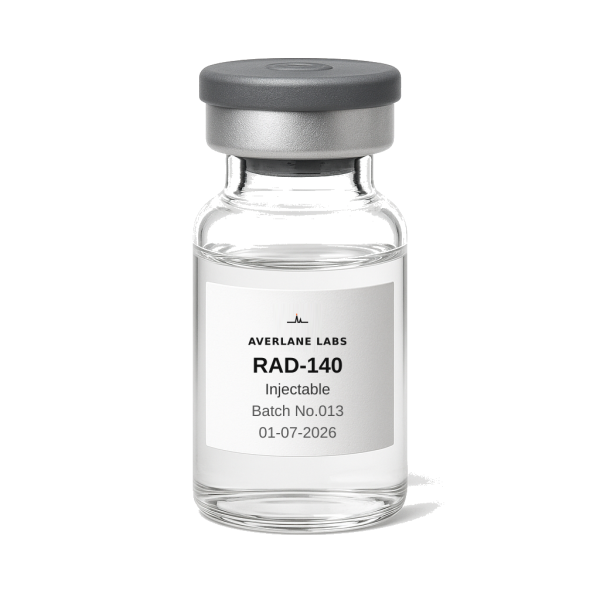
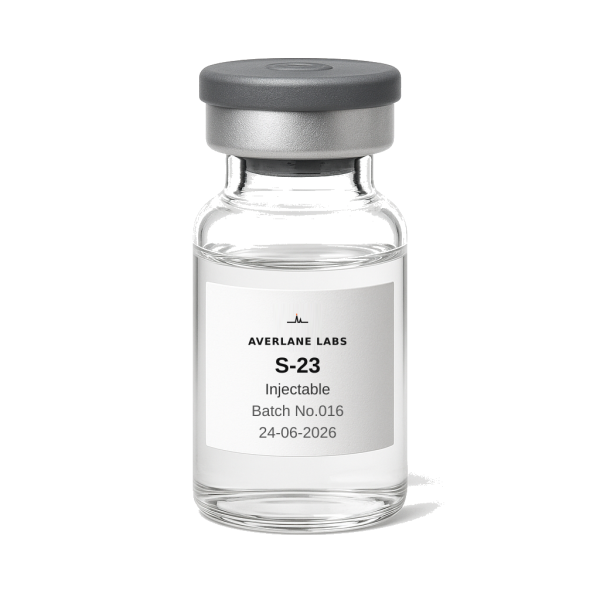
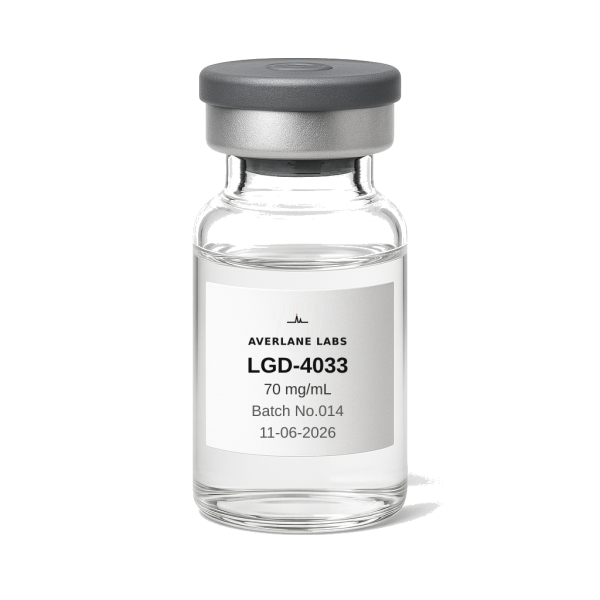
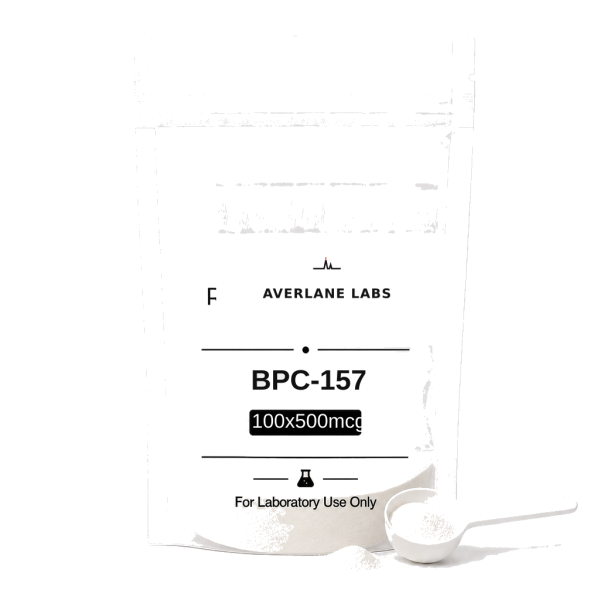
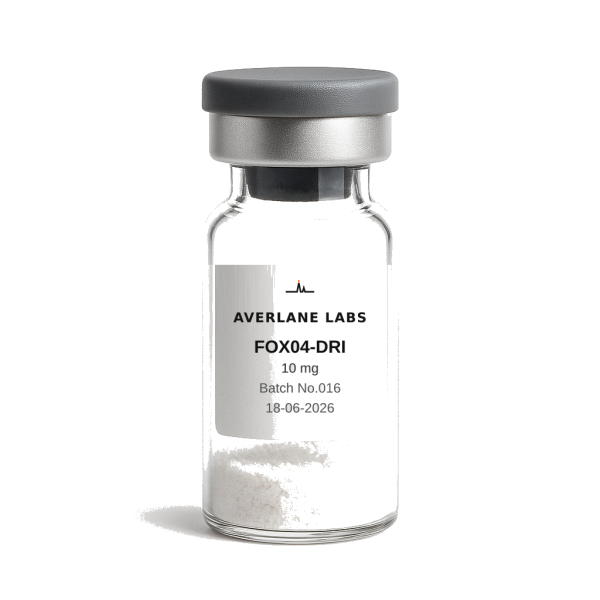
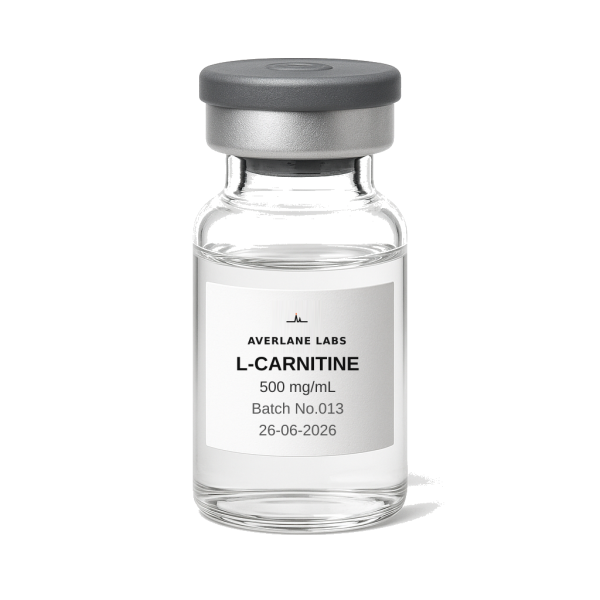
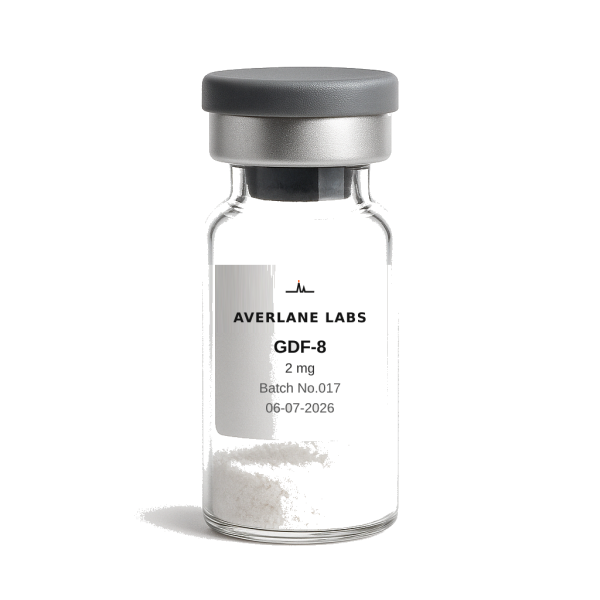
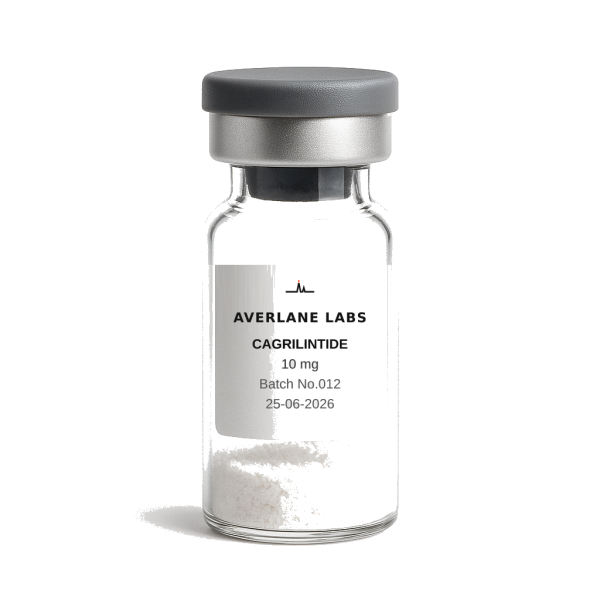
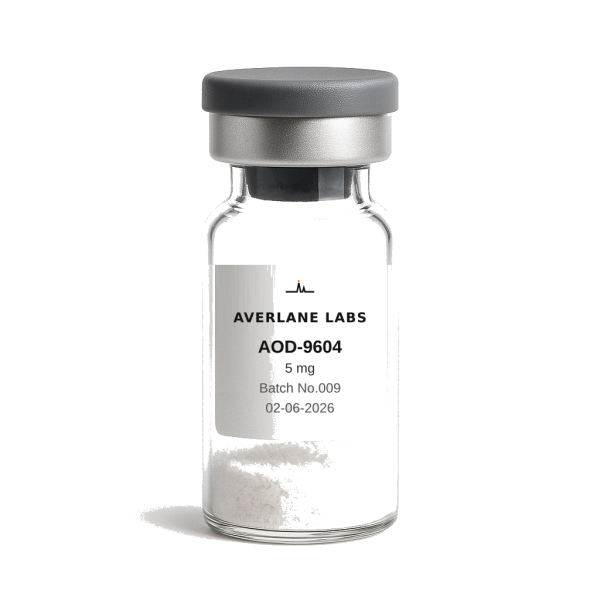
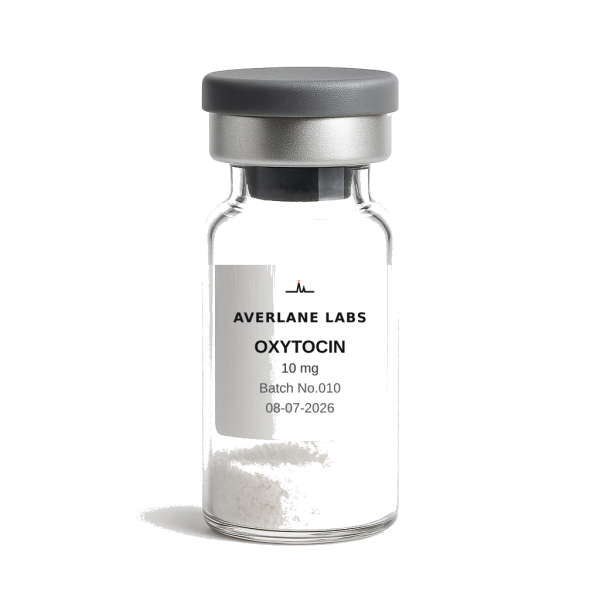
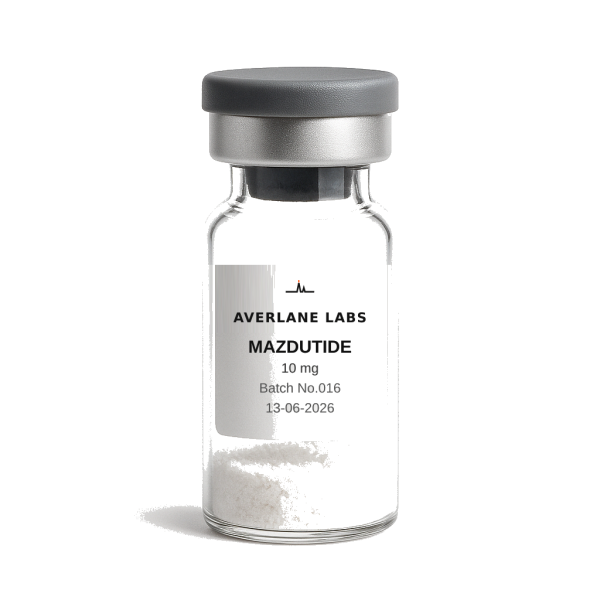
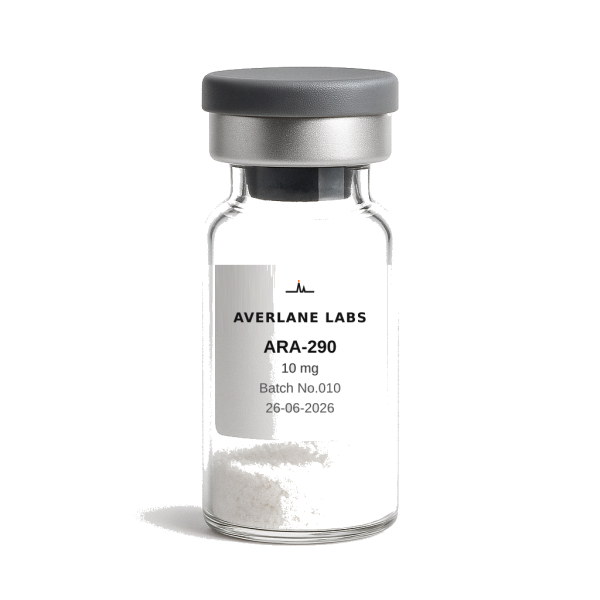
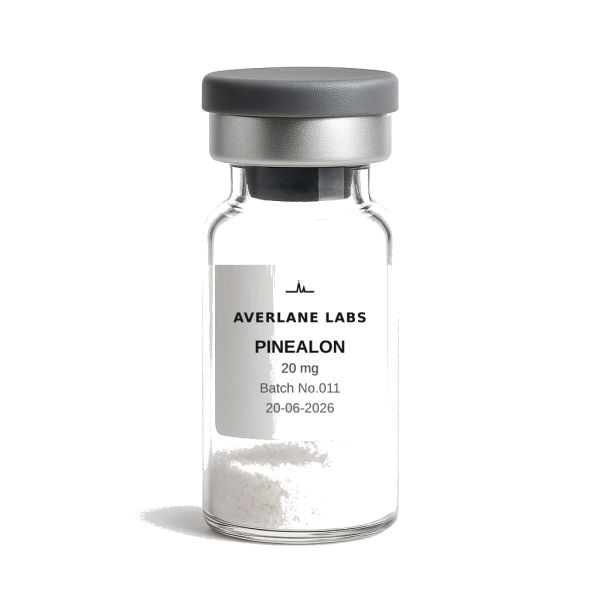
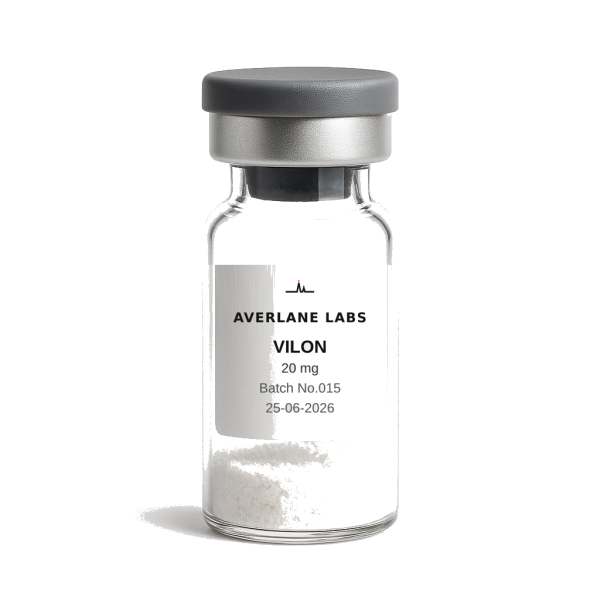
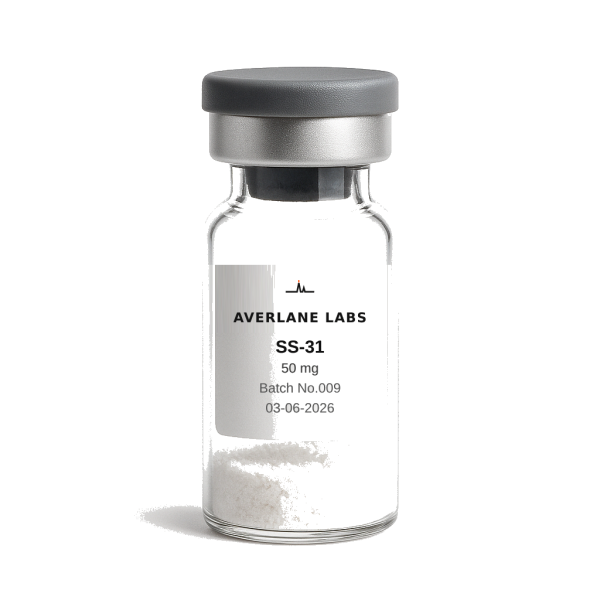
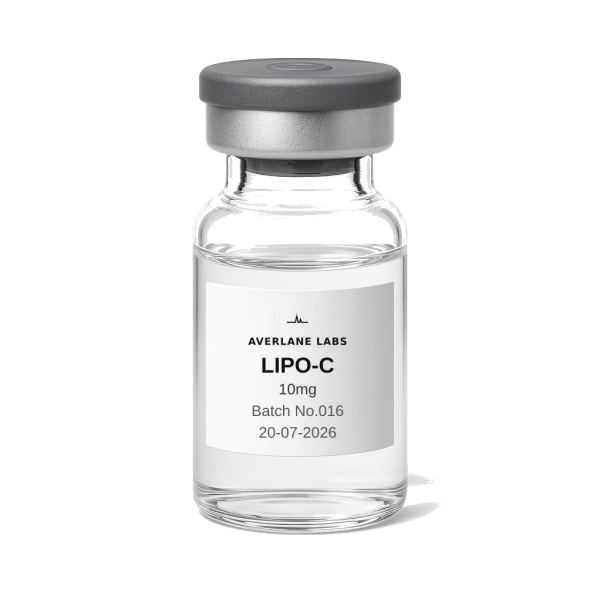
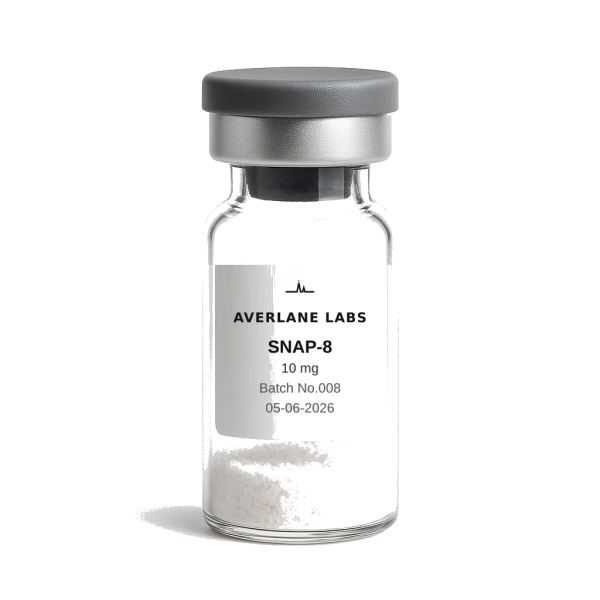
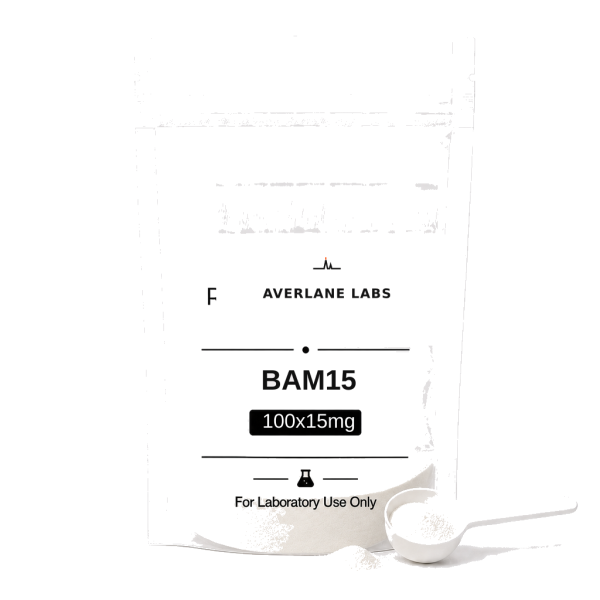
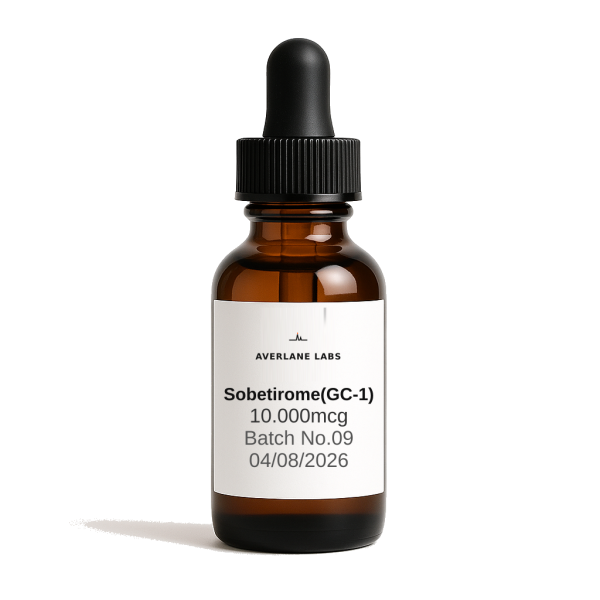
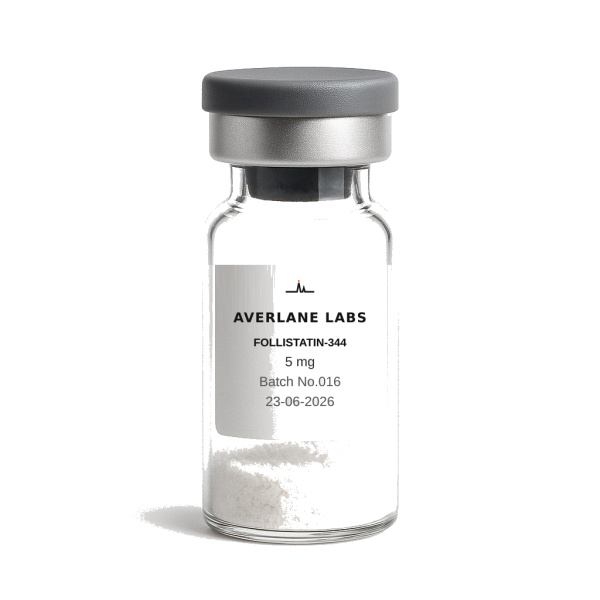
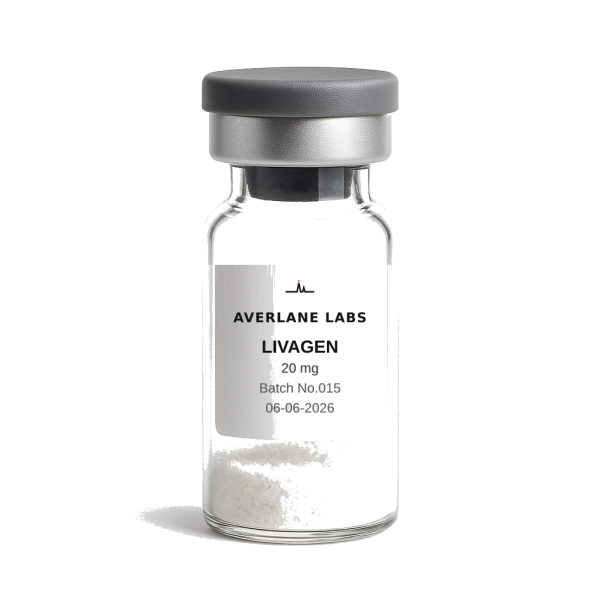
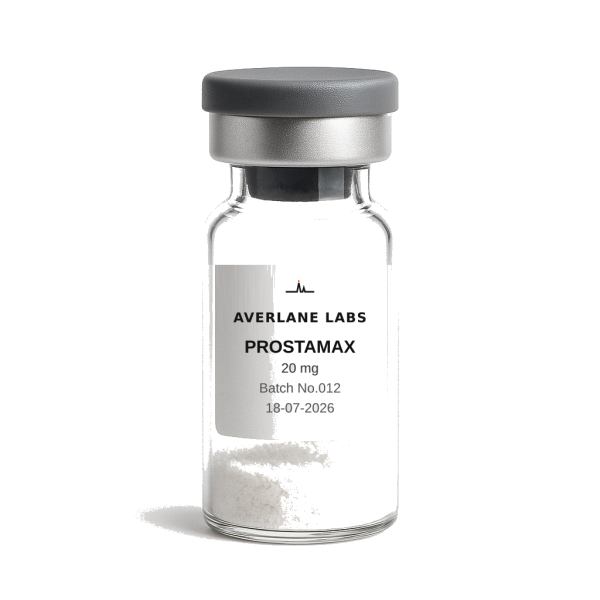
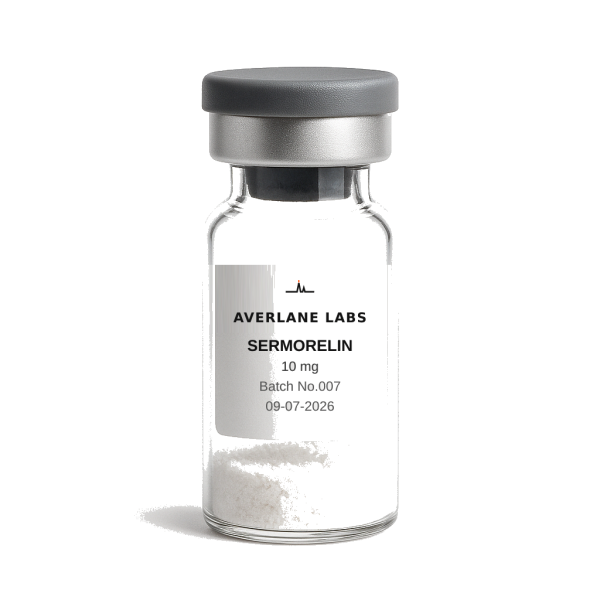
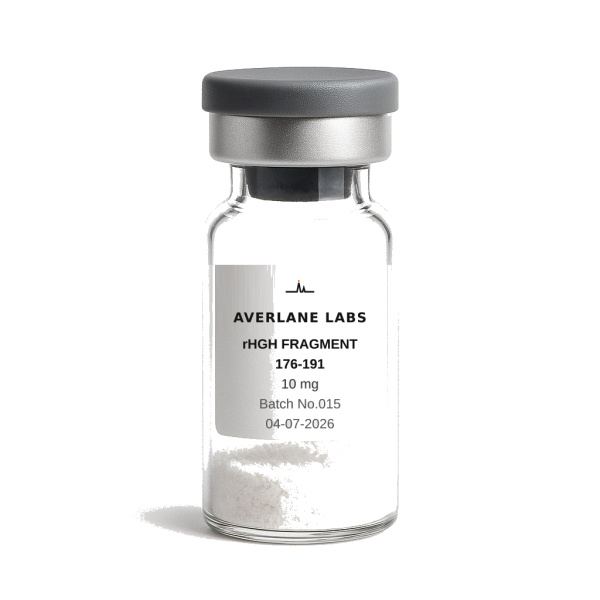
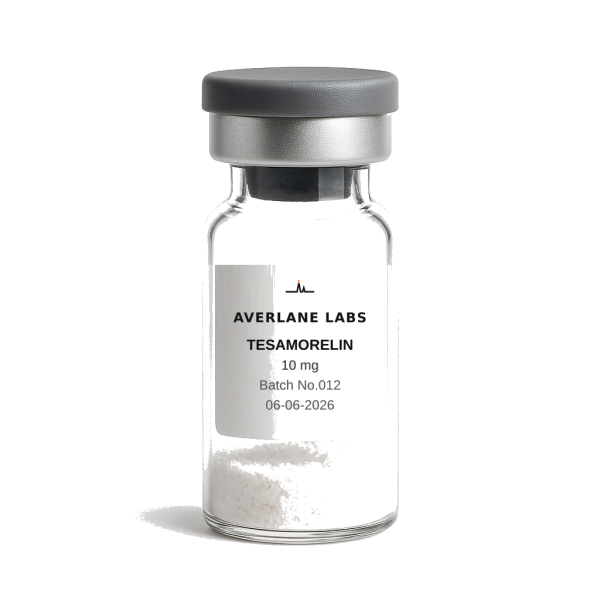
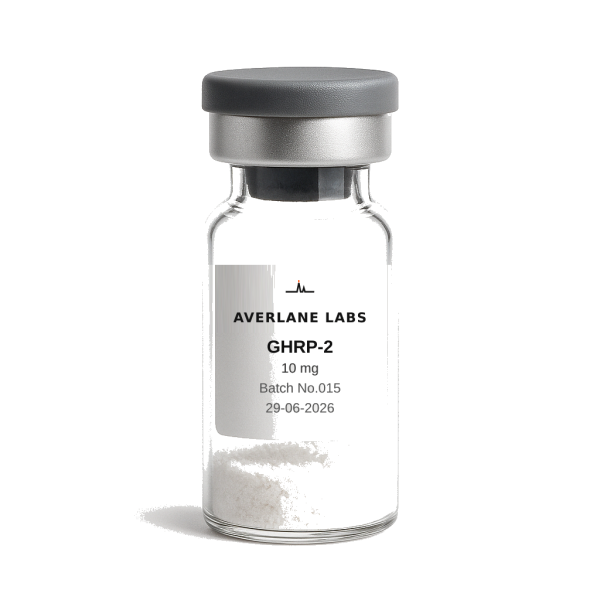
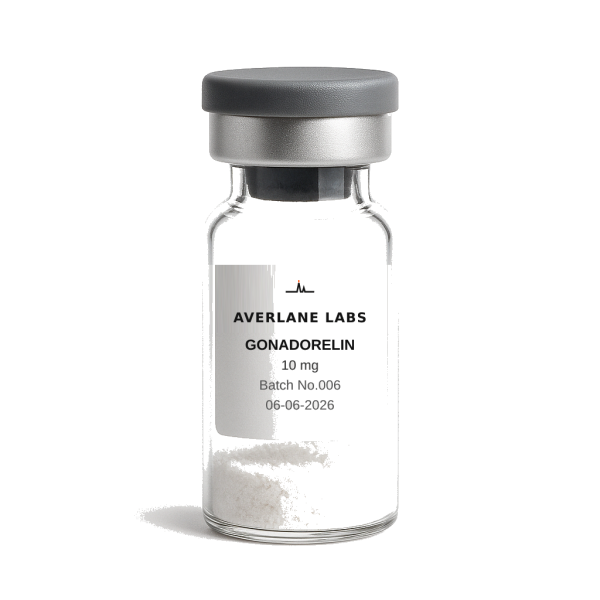
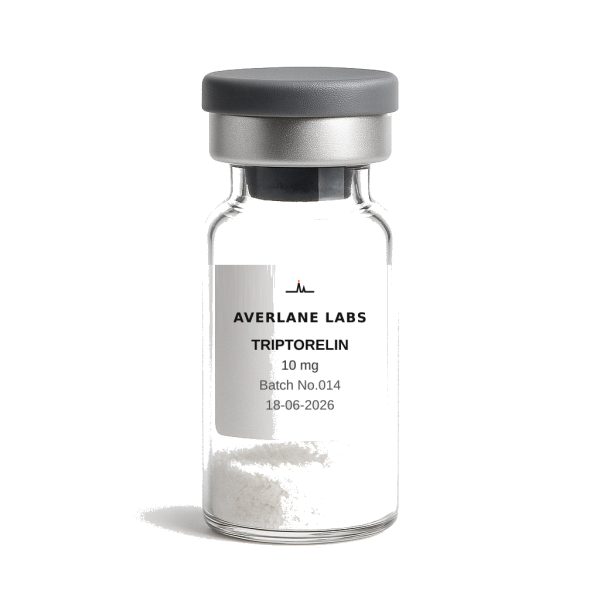
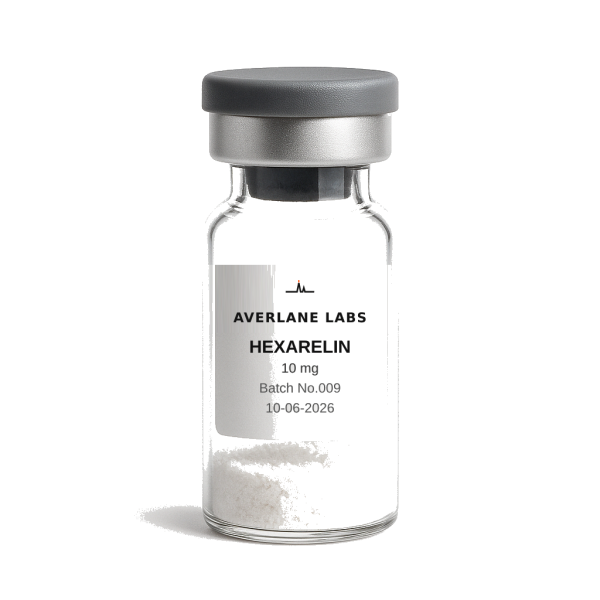
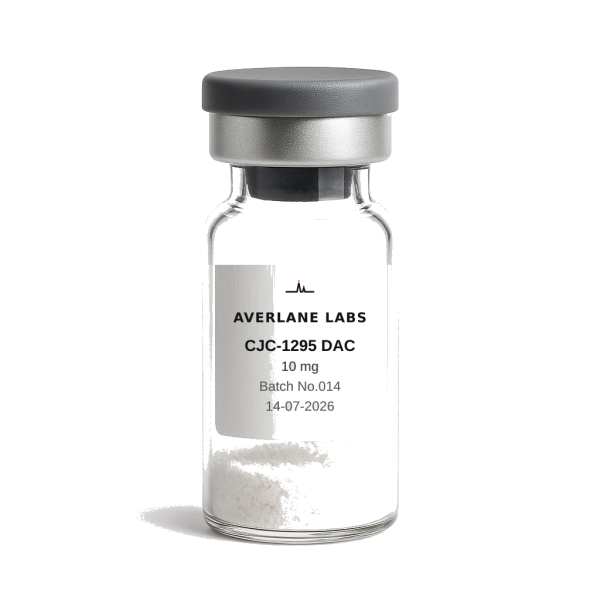
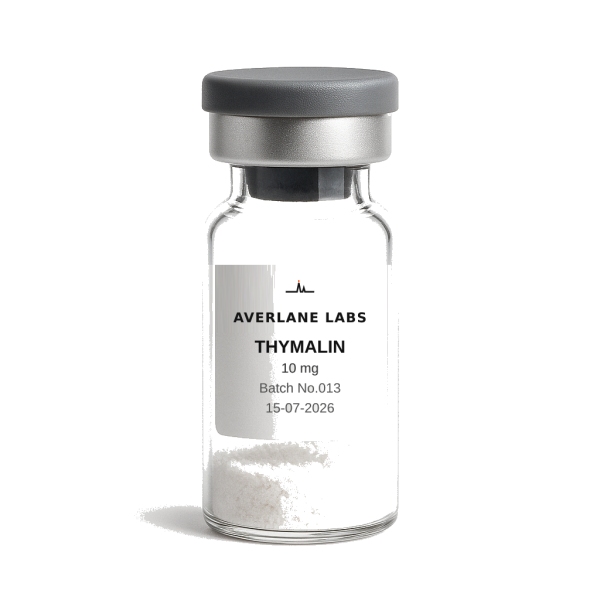
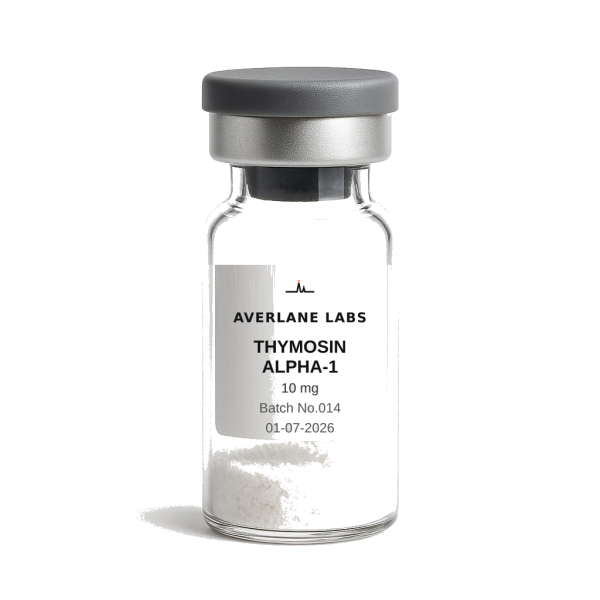
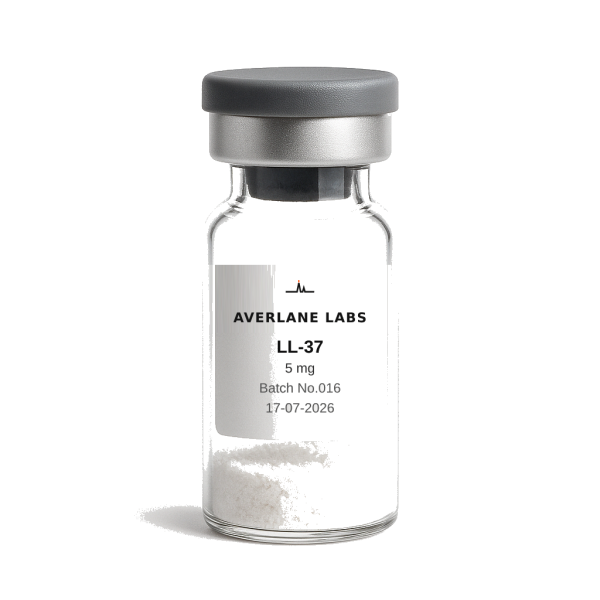
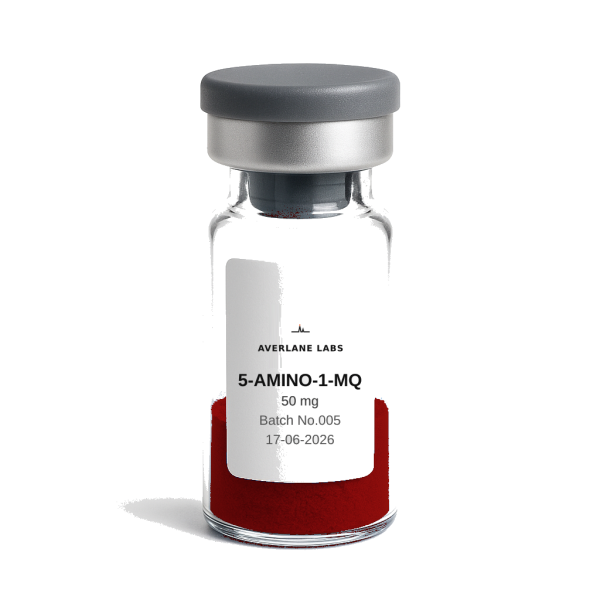
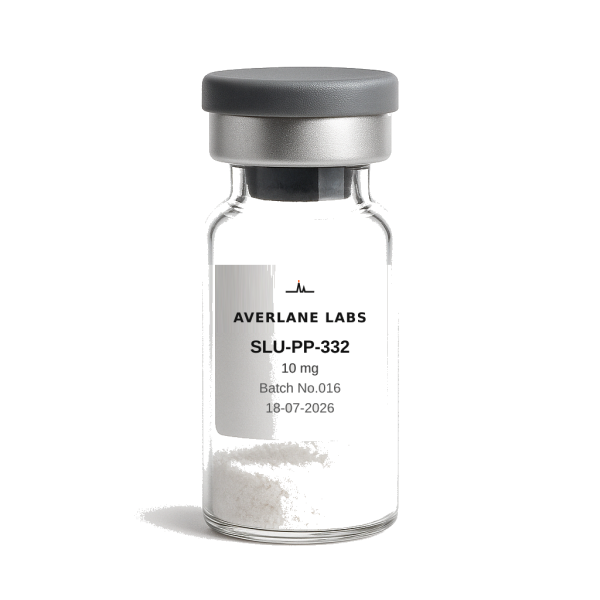
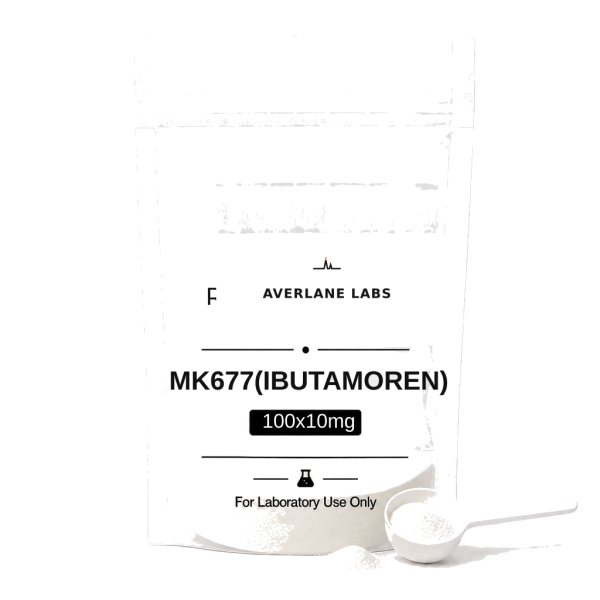
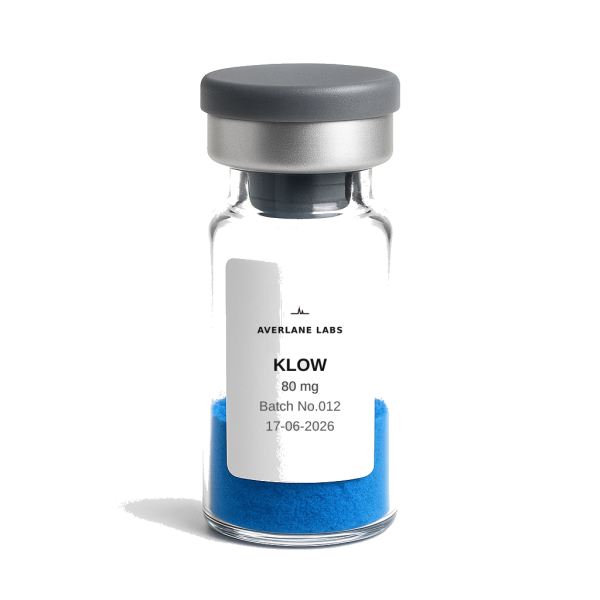
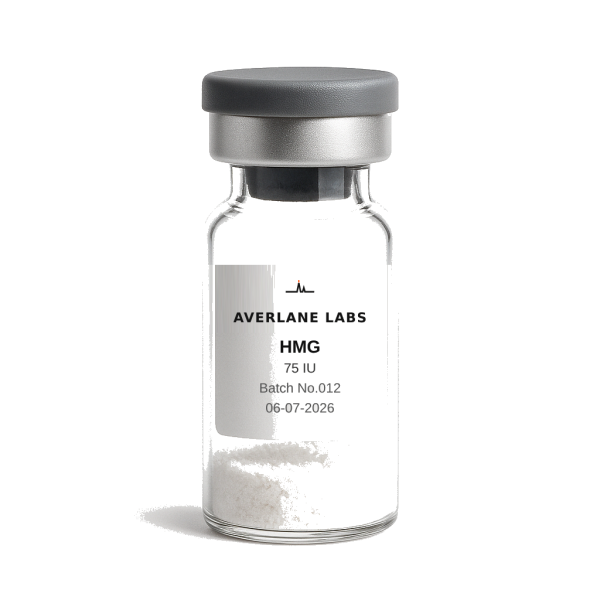
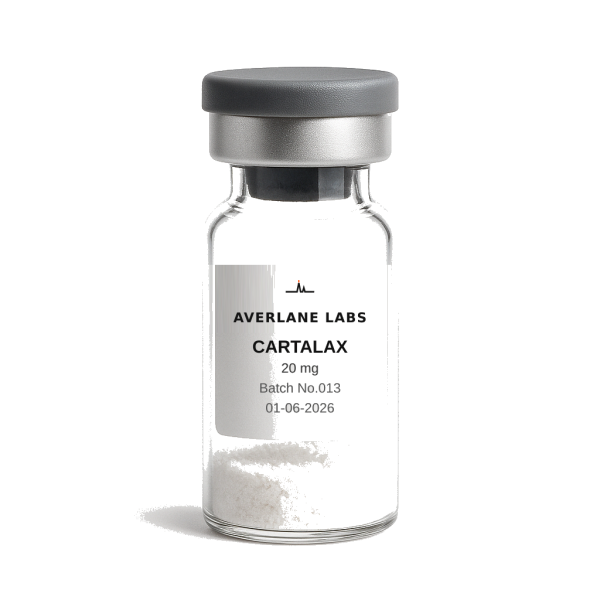
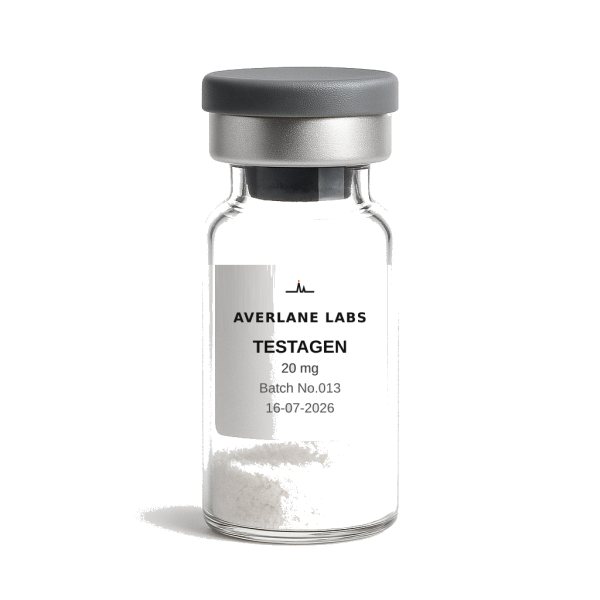
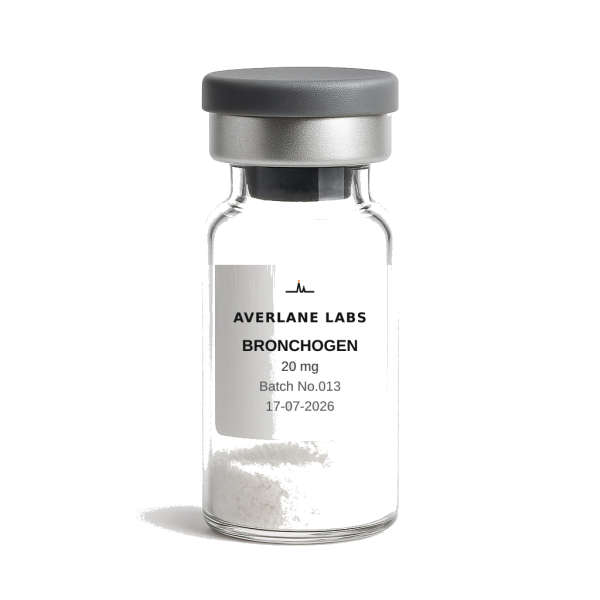
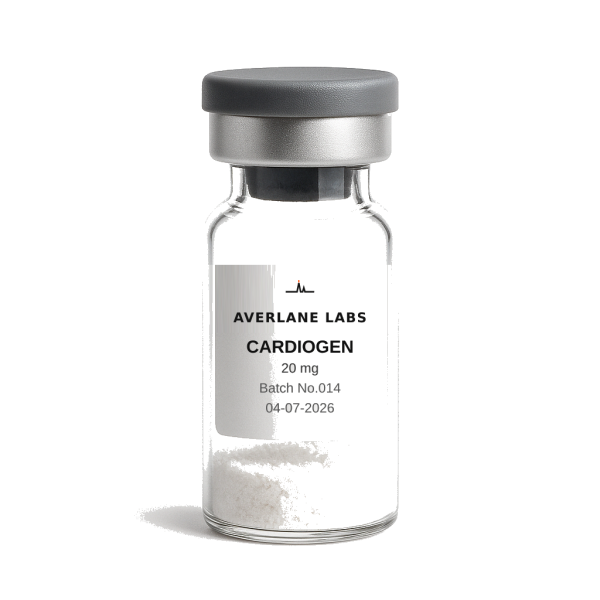
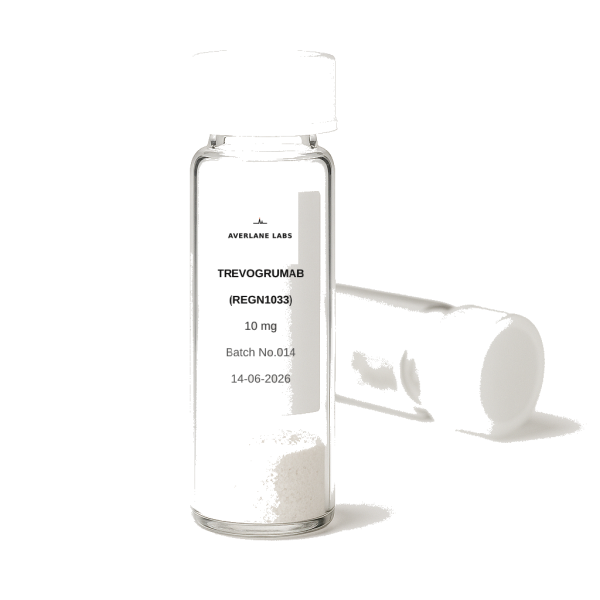
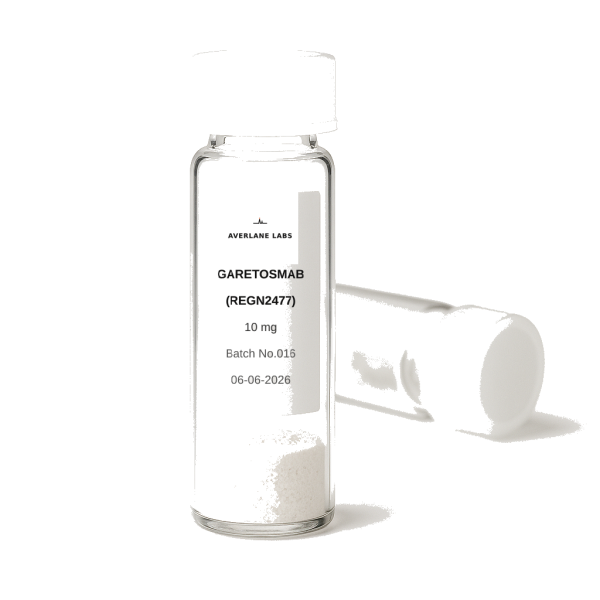
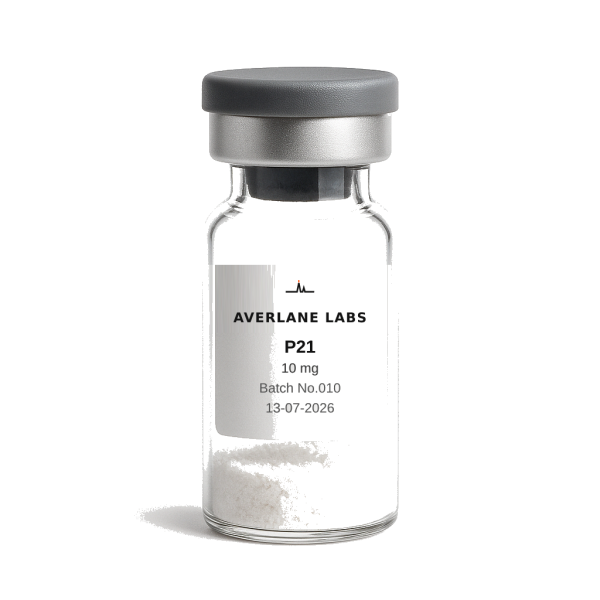
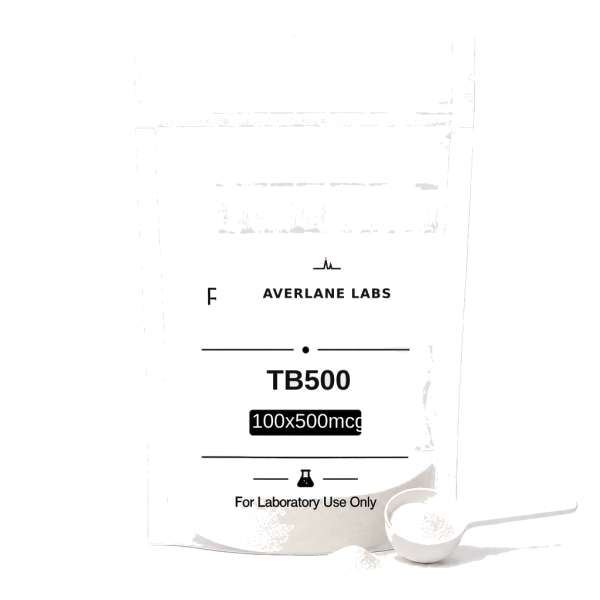
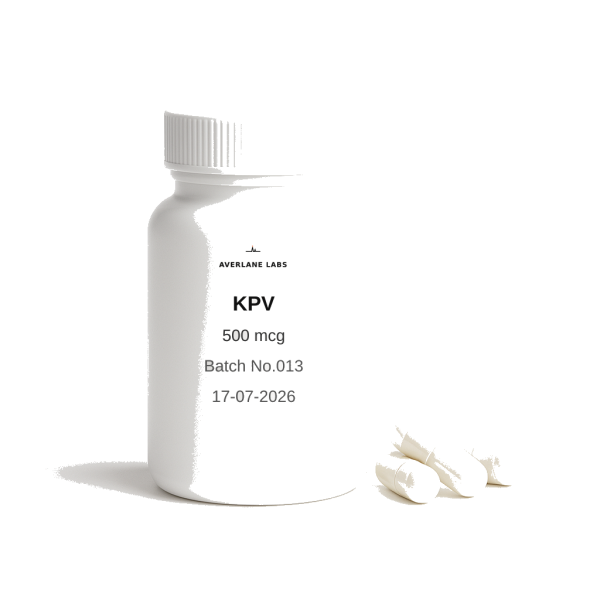
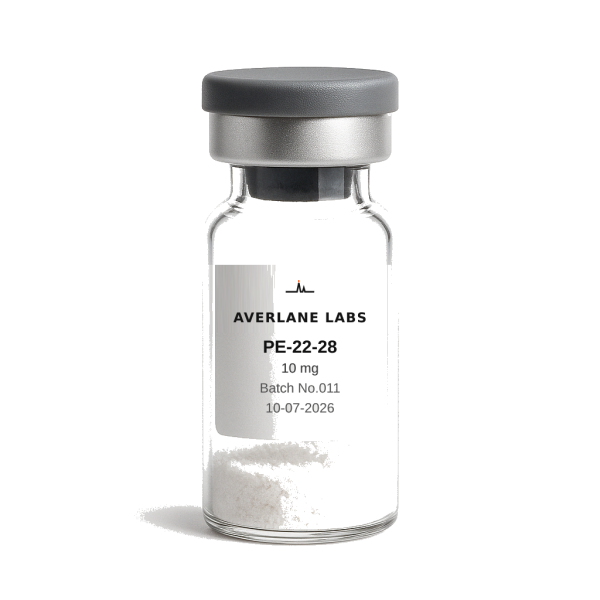
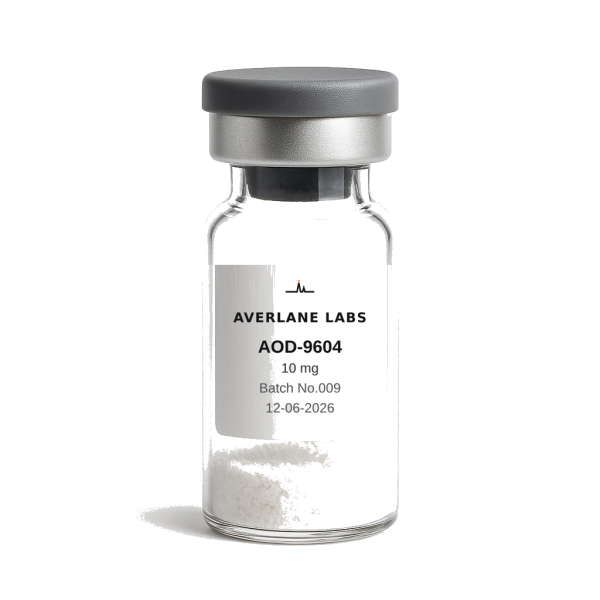
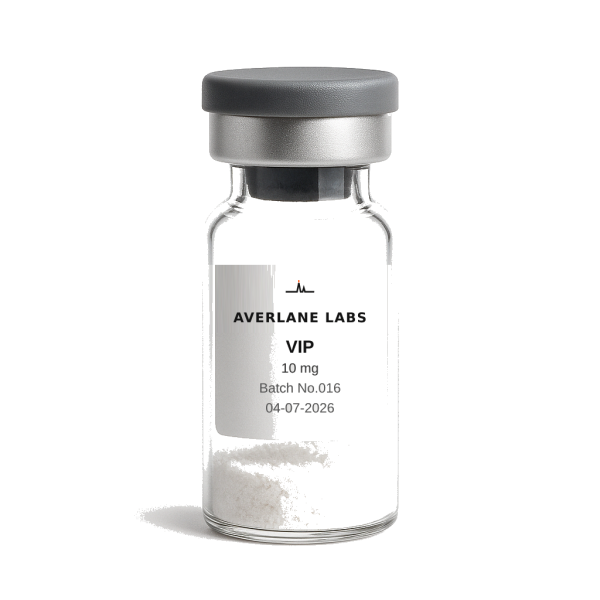
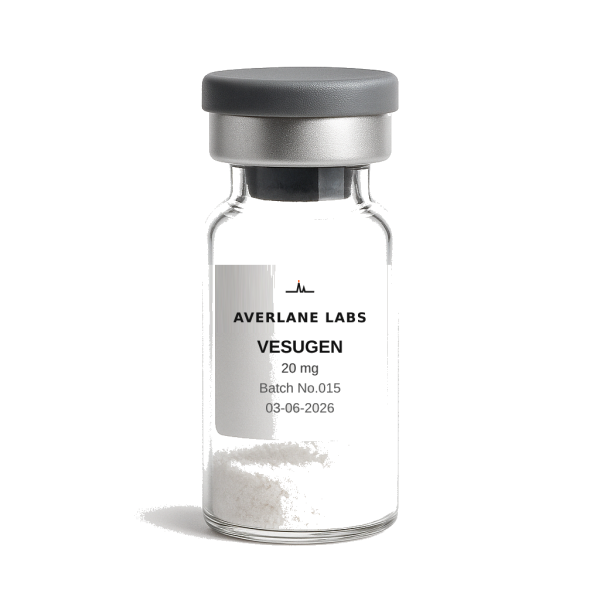
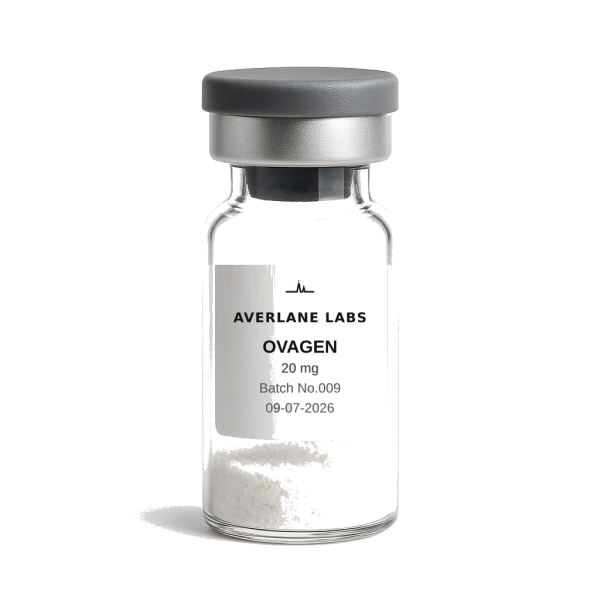
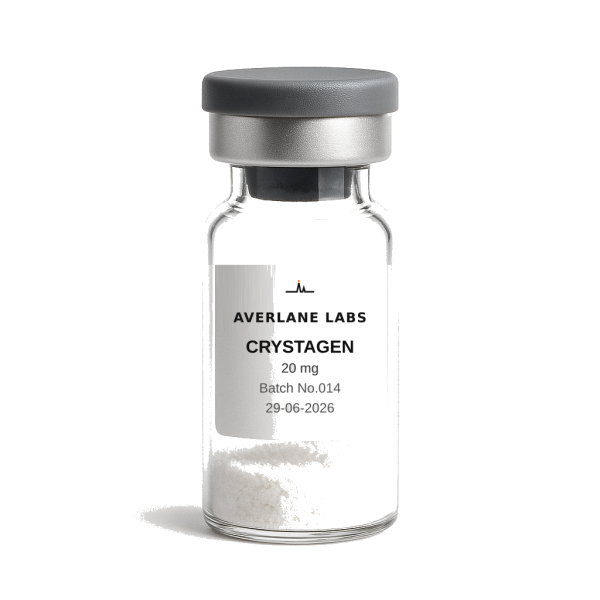
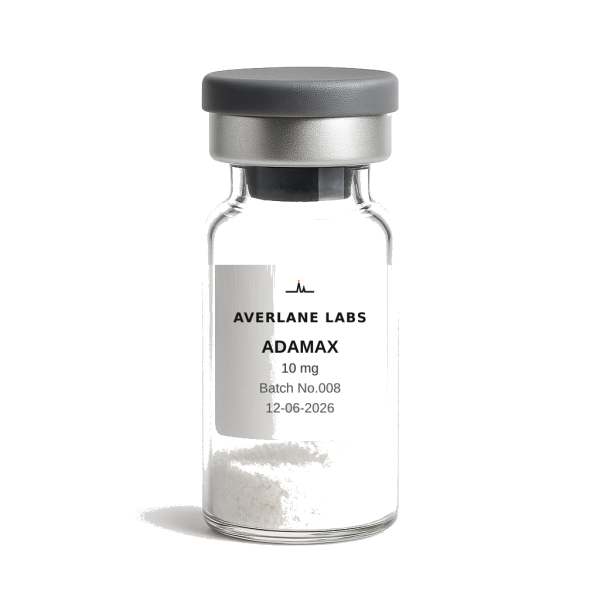
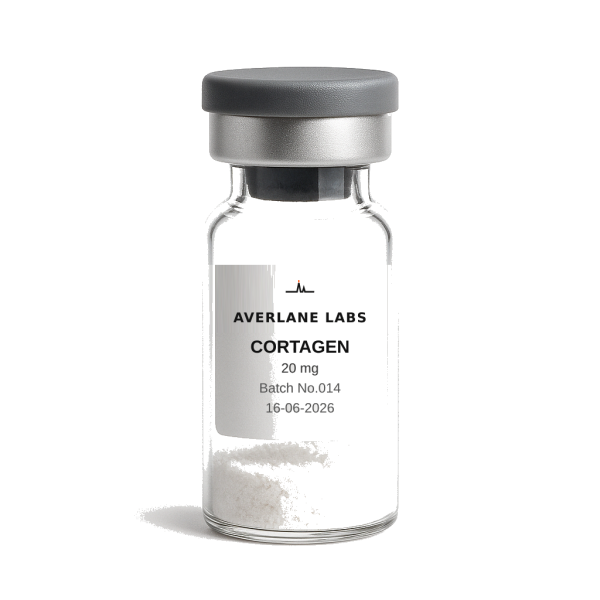
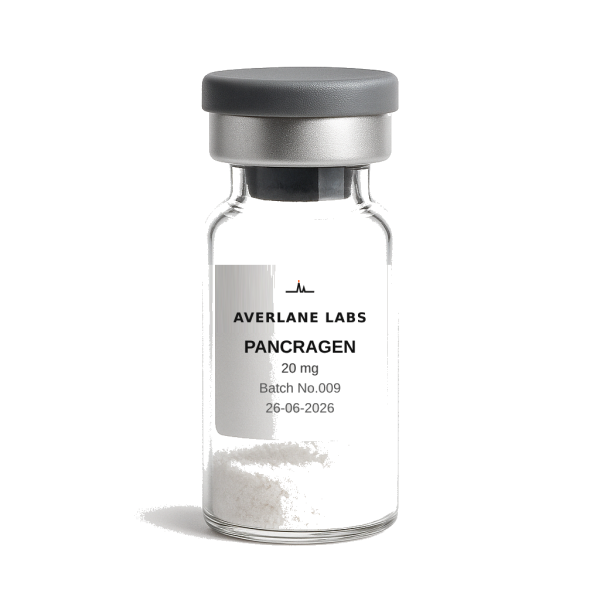
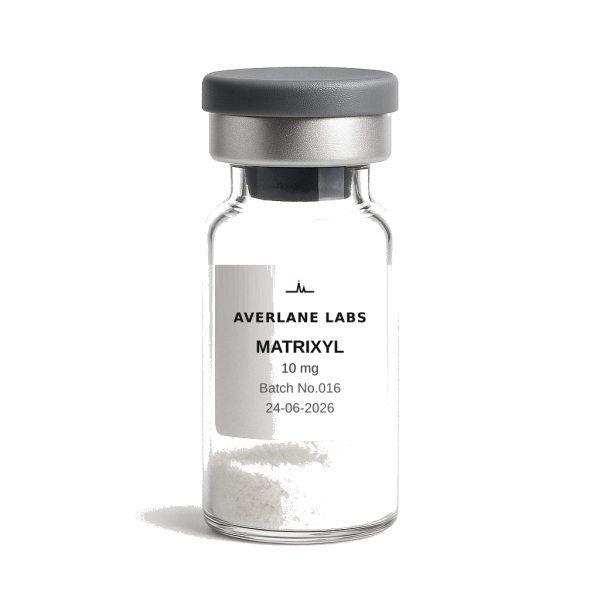
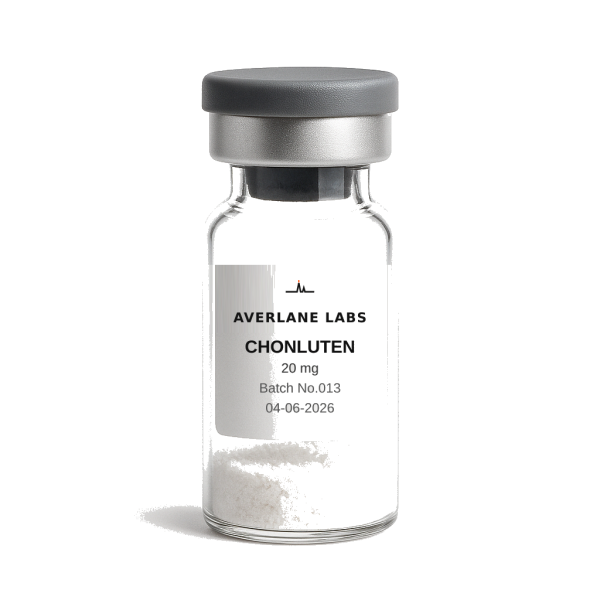
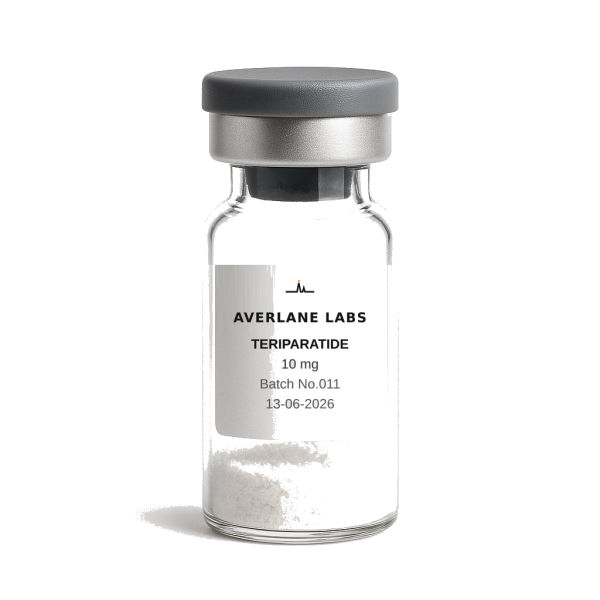
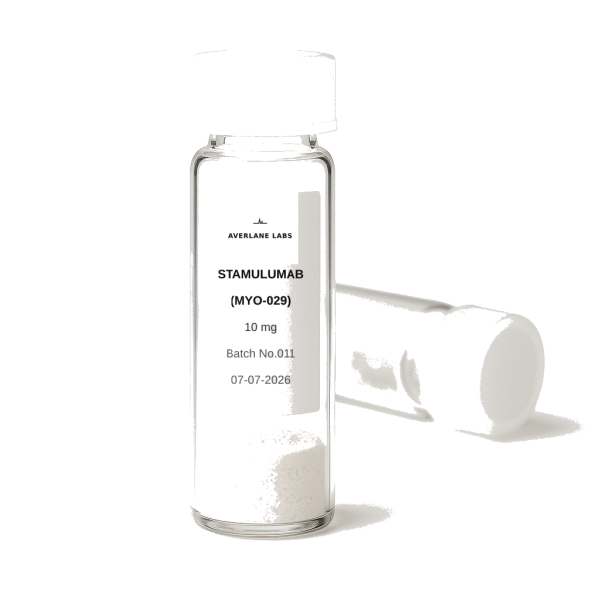
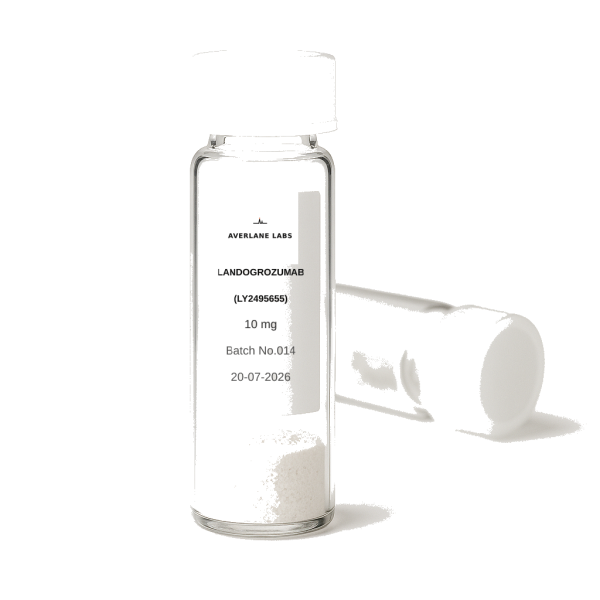
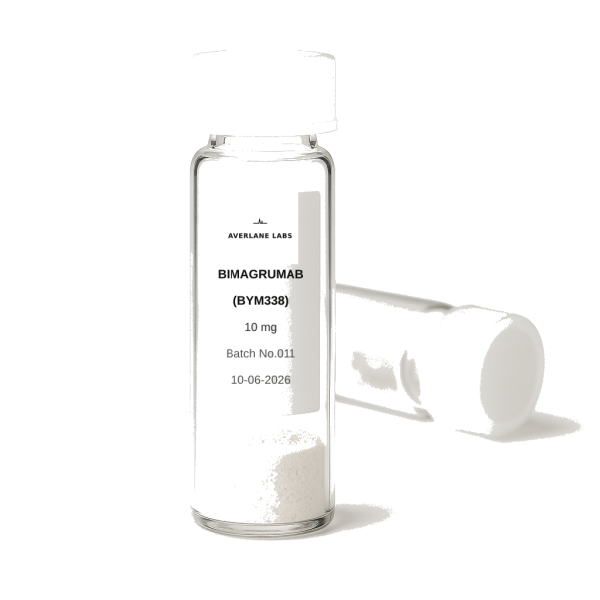
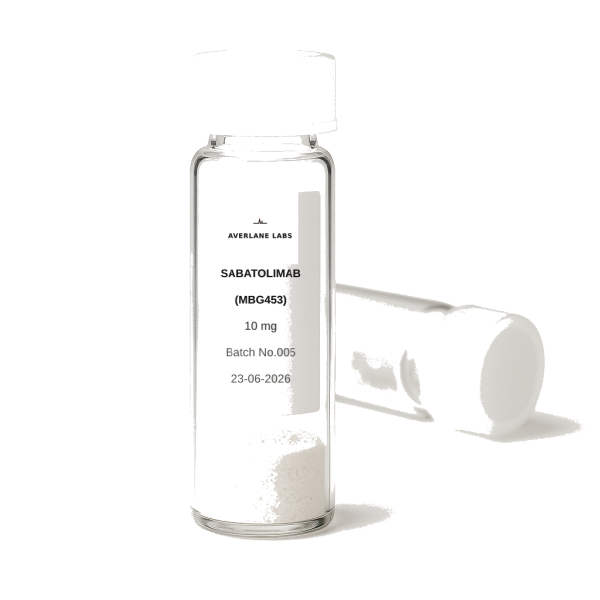
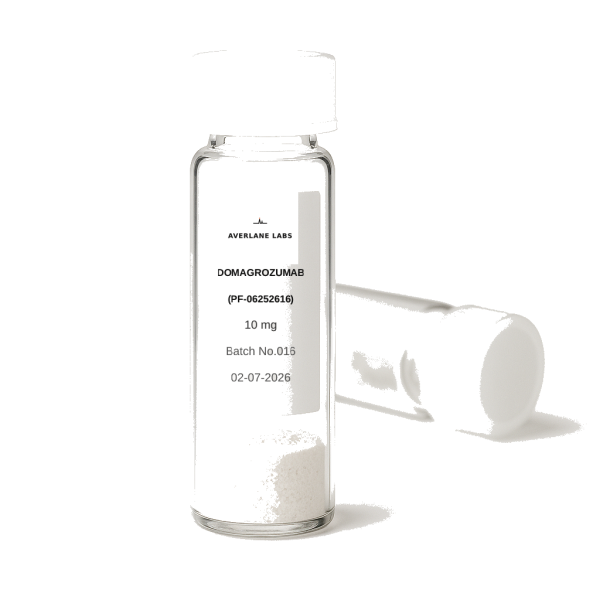
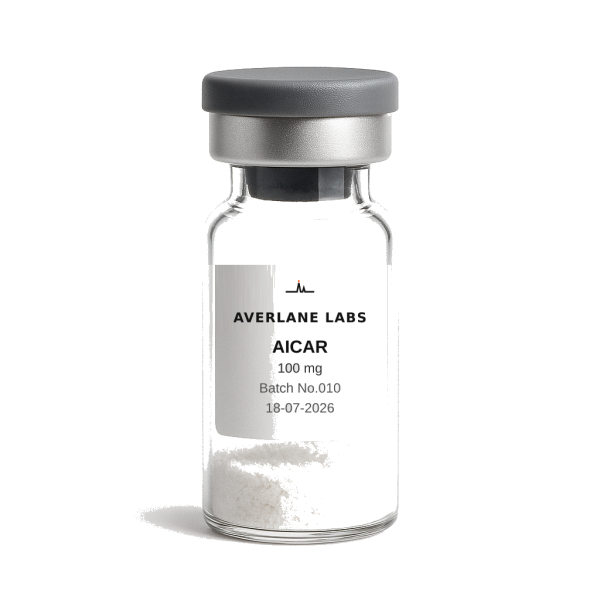
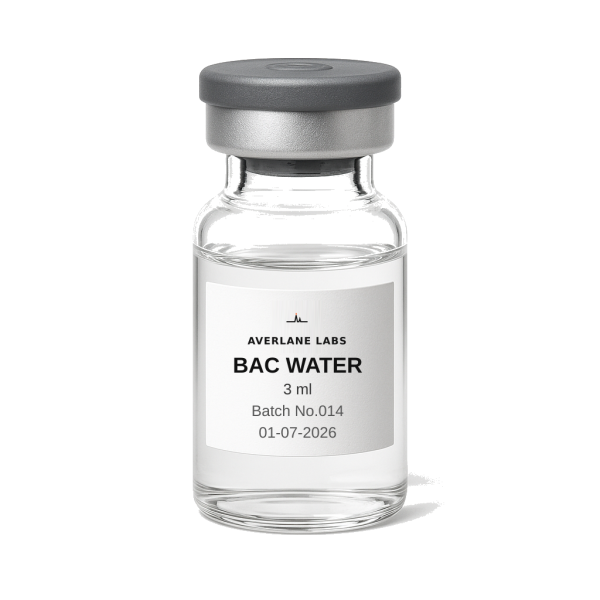
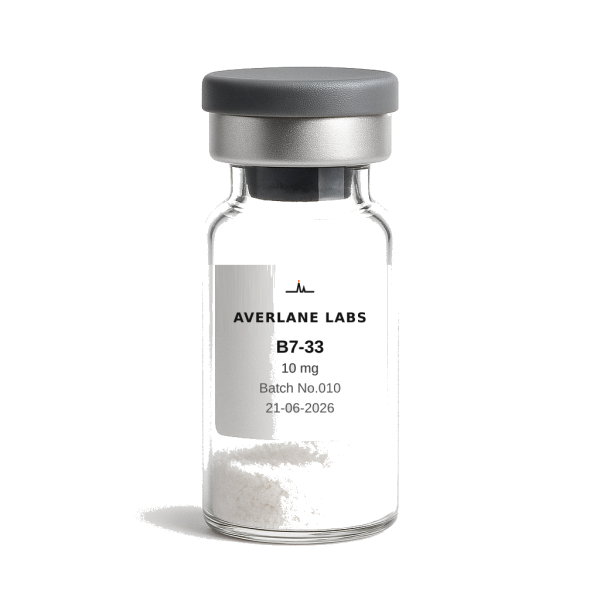
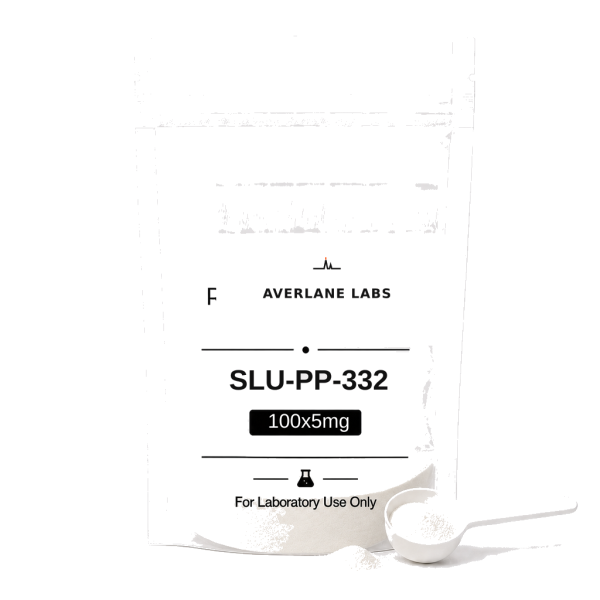
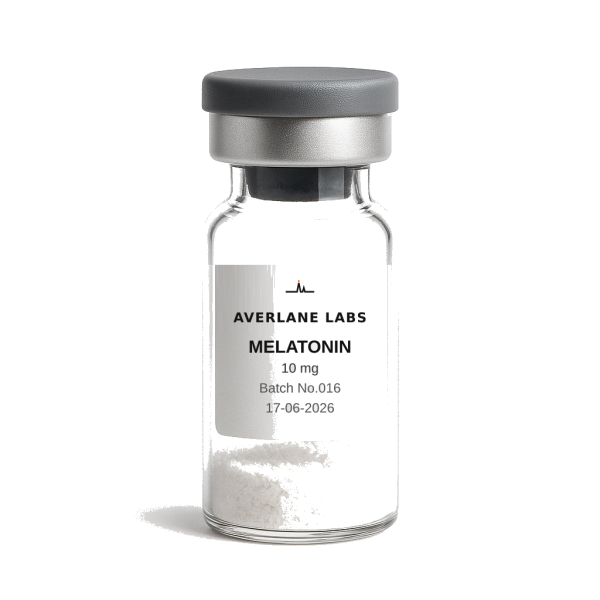
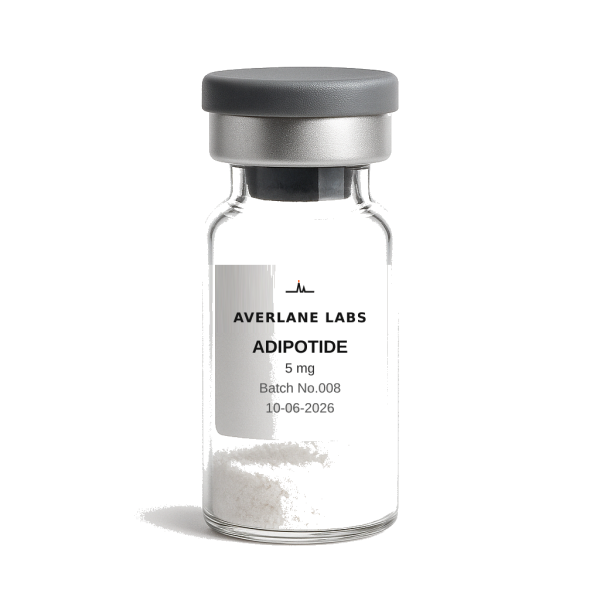
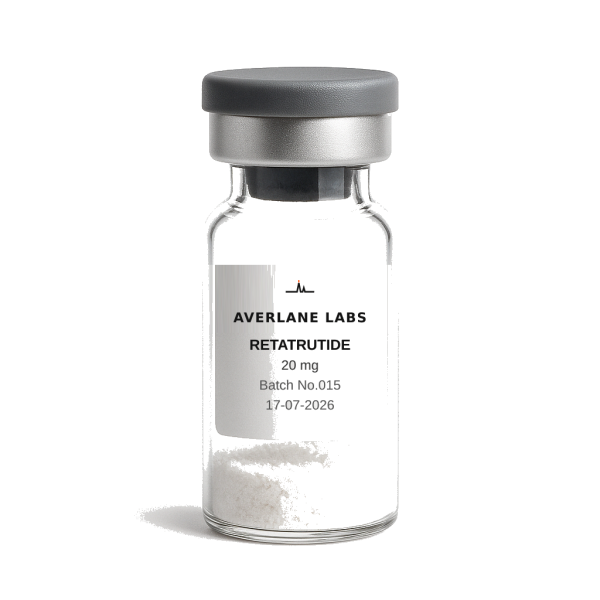
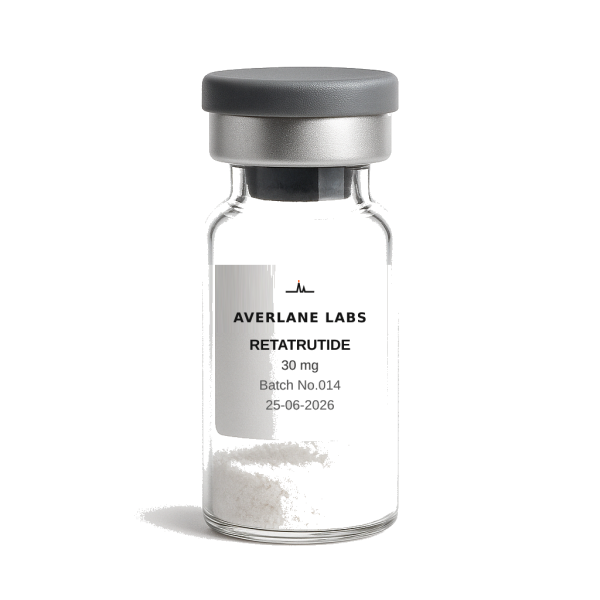
NOT FOR HUMAN CONSUMPTION
Safety glasses are best viewed as basic eye-protection equipment, not full respiratory or face protection. Their primary function is to shield the eyes from splashes, particles, and mechanical hazards, while maintaining clear visibility.
Their strongest use case is laboratory, medical, industrial, and general protective environments, where eye exposure risk exists. Their effectiveness depends on fit, seal quality, lens clarity, and anti-fog performance, not complex technology.
2. Additional benefits / practical uses
| Benefit | Take-away |
|---|---|
| 1. Eye protection | Core function. Protects against splashes, droplets, and debris |
| 2. Chemical splash resistance | Important in labs and cleaning environments |
| 3. Particle protection | Shields against dust and small airborne particles |
| 4. Clear visibility | Transparent lenses allow uninterrupted vision |
| 5. Anti-fog features (in some models) | Improves usability during extended wear |
| 6. Compatibility with masks | Can be worn alongside face masks or respirators |
| 7. Reusable design | Often durable and cleanable |
| 8. Not full-face protection | Does not protect the entire face like a face shield |
3. Mechanism of action (functional design)
3.1 Protective “mechanics”
These goggles function through physical barrier protection:
- Lens barrier → blocks liquids and particles
- Frame and seal → reduce entry of contaminants around the eyes
- Ventilation system (if present) → balances airflow and fog reduction
3.2 Downstream protection function
| Feature | Functional outcome | Context |
|---|---|---|
| Impact-resistant lens | Protects against mechanical hazards | Industrial/lab work |
| Wrap-around or sealed design | Reduces exposure from sides | Splash protection |
| Anti-fog coating | Maintains visibility | Extended wear |
| Elastic strap or arms | Secure fit | Movement and stability |
These features are well-established, but effectiveness depends heavily on proper fit and correct use.
4. Practical performance characteristics
- Material: polycarbonate (common)
- Lens type: clear/transparent
- Fit: sealed or semi-sealed
- Ventilation: indirect vent or non-vented options
Performance depends on:
- seal quality
- lens coating (anti-fog / scratch resistance)
- comfort during prolonged use
5. Evidence / real-world performance
5.1 Strong, well-established aspects
- Widely used in:
- healthcare
- laboratories
- construction/industry
- Proven effectiveness for:
- splash protection
- eye injury prevention
Eye protection is a standard requirement in many safety protocols.
5.2 Limitations
- Not airtight → limited protection against fine aerosols
- Fogging can impair vision in lower-quality models
- Comfort varies with design and duration of use
6. Safety and tolerability
Generally safe and well tolerated:
- Lightweight and non-invasive
- Possible minor issues:
- pressure discomfort
- fogging
- skin irritation from prolonged wear
7. Contraindications and cautions
Use extra caution with:
- High aerosol environments → not a substitute for full respiratory PPE
- Poor fit or gaps → reduces protection
- Scratched lenses → impaired visibility
- Incorrect cleaning → may damage coatings
8. Comparative practical matrix
| Feature | Transparent safety goggles |
|---|---|
| Main strength | Eye protection from splashes and debris |
| Best-supported use case | Lab, medical, industrial safety |
| Visibility | High |
| Comfort | Moderate–high |
| Aerosol protection | Limited |
| Core limitation | Not full-face or sealed respiratory protection |
| Best framing | Essential eye PPE |
9. Regulatory landscape
Typically compliant with standards such as:
- EN 166 (EU eye protection standard)
- May also meet medical PPE requirements depending on use
Classified as personal protective equipment (PPE).
10. Future directions
Improvements focus on:
- Better anti-fog coatings
- Enhanced comfort and ergonomics
- Improved seal without reducing airflow
- More durable and scratch-resistant materials
Best balanced summary
Transparent safety goggles are a reliable and essential form of eye protection used across healthcare, laboratory, and industrial environments. They provide effective protection against splashes, particles, and minor mechanical hazards while maintaining clear visibility. Their performance is well established, but they are not designed for full respiratory or aerosol protection, and their effectiveness depends on proper fit, lens quality, and correct use.
Researcher reviews
No reviews yet for this lot line. Verified purchasers can leave the first one.
Reviews
There are no reviews yet.