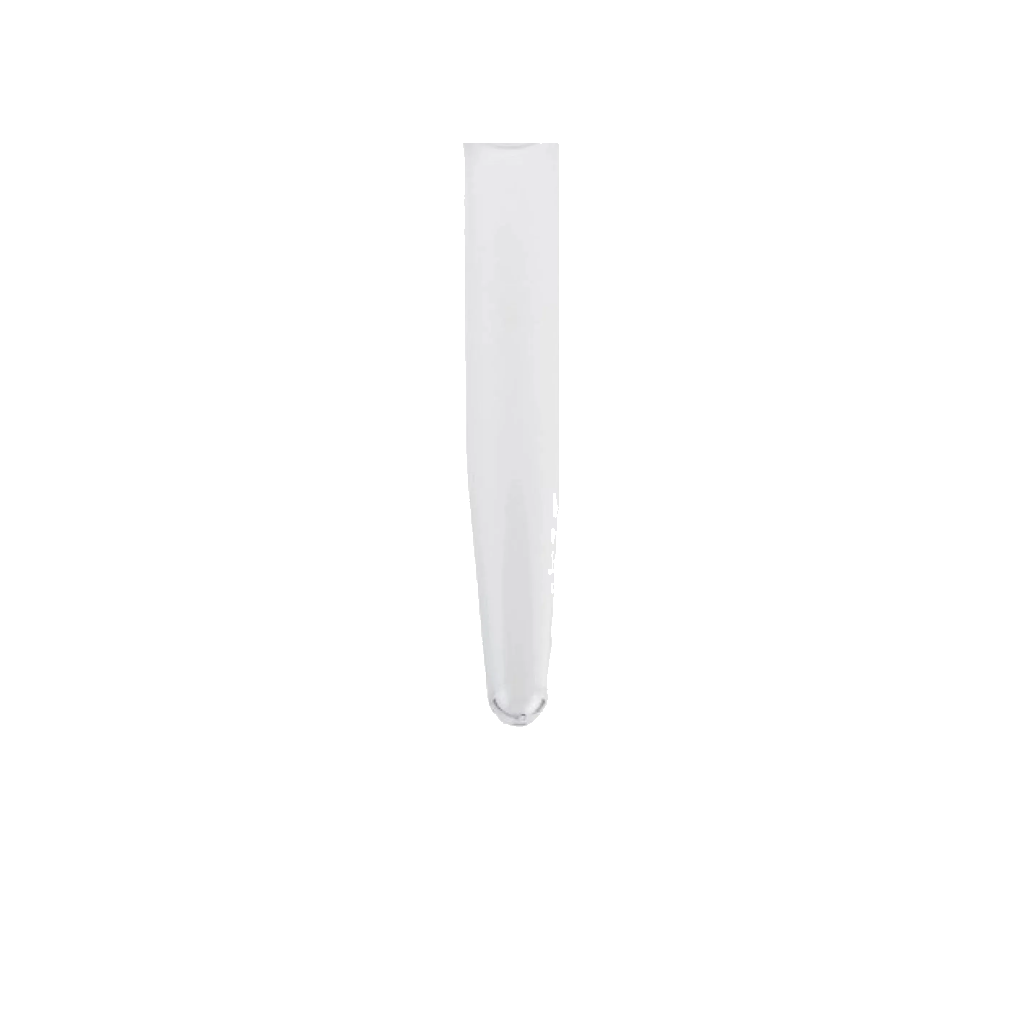
Centrifuge tubes 100pc
Certificate of Analysis available on request for the current lot.
Complete the setup
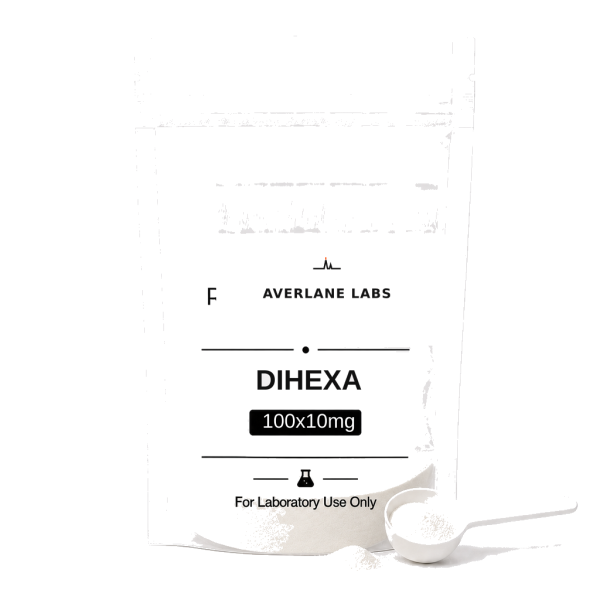
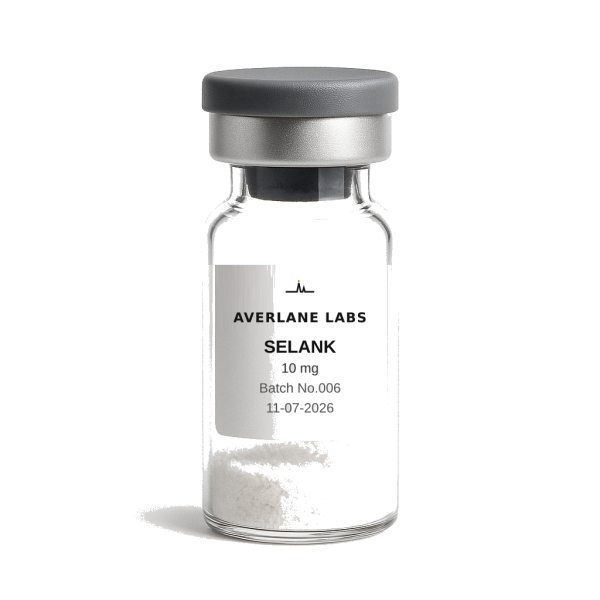
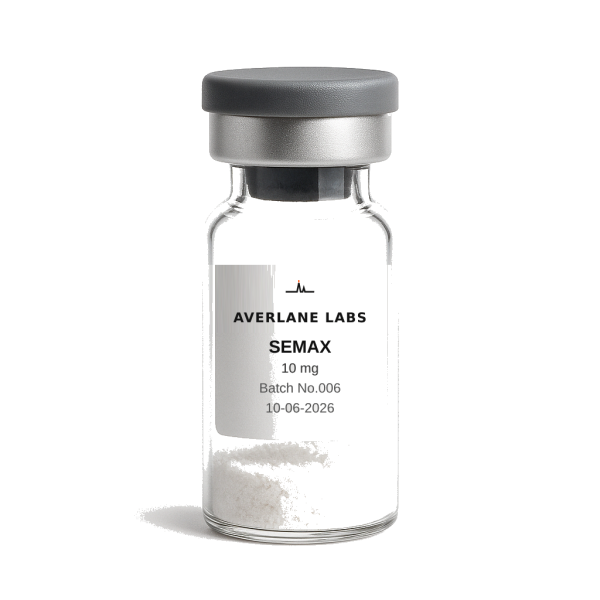
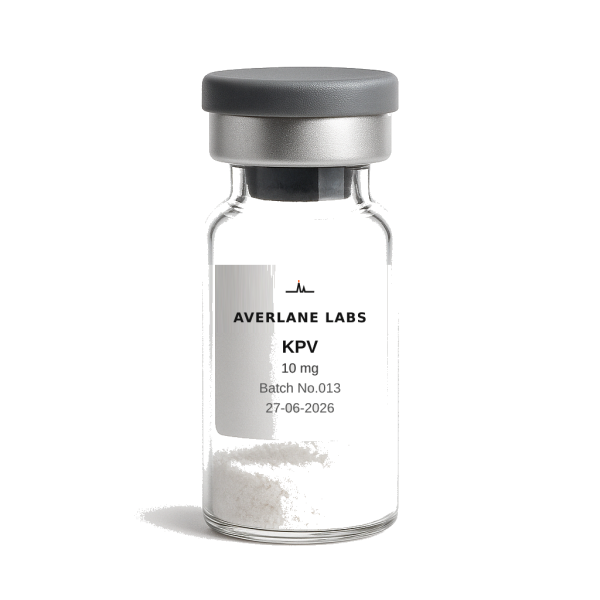
Reconstitution and bench supplies researchers pair with Centrifuge tubes 100pc
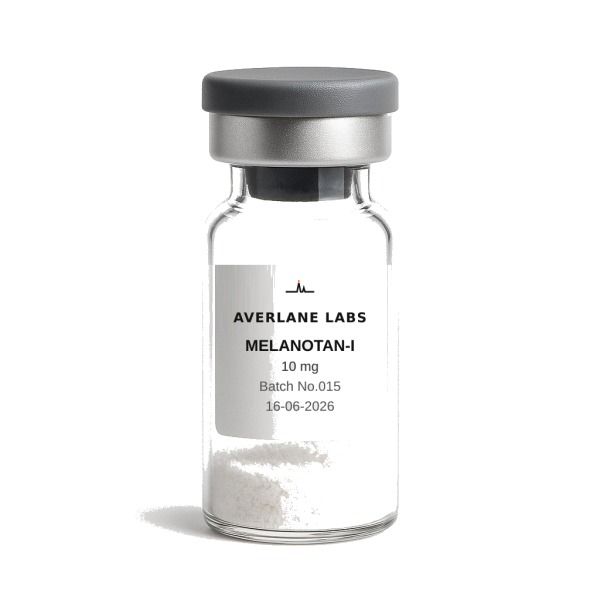
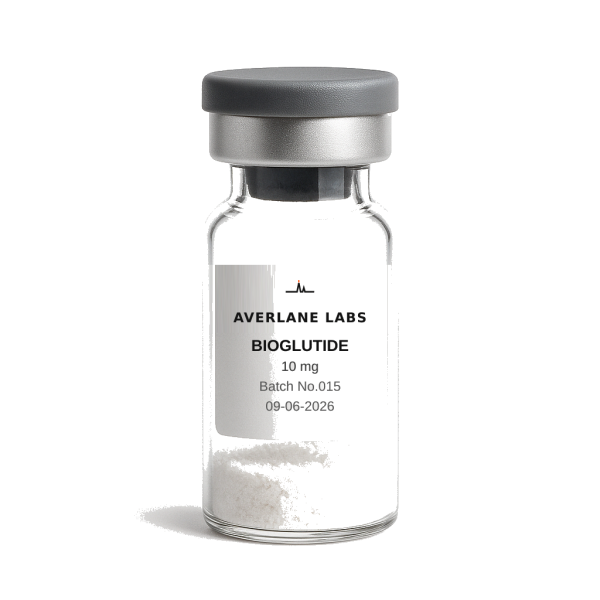
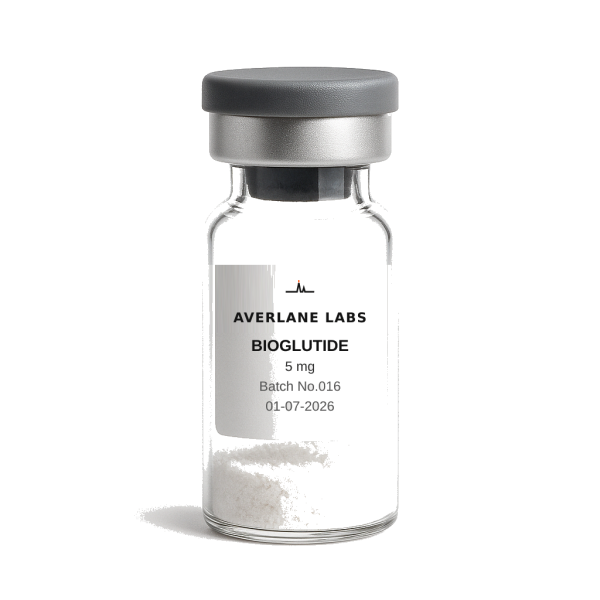
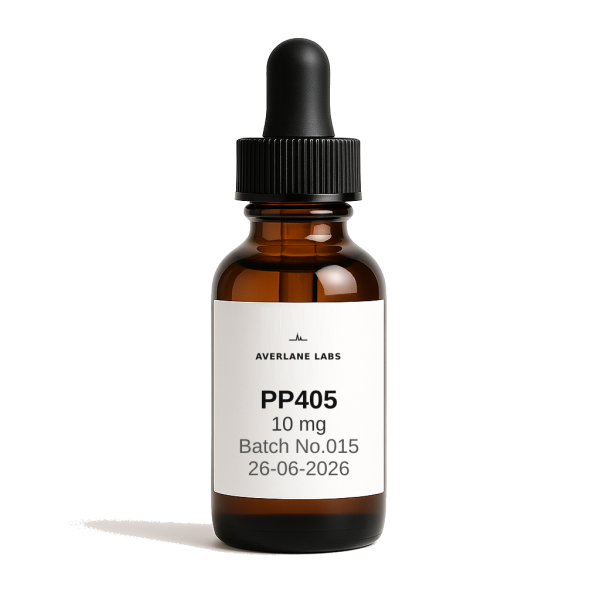




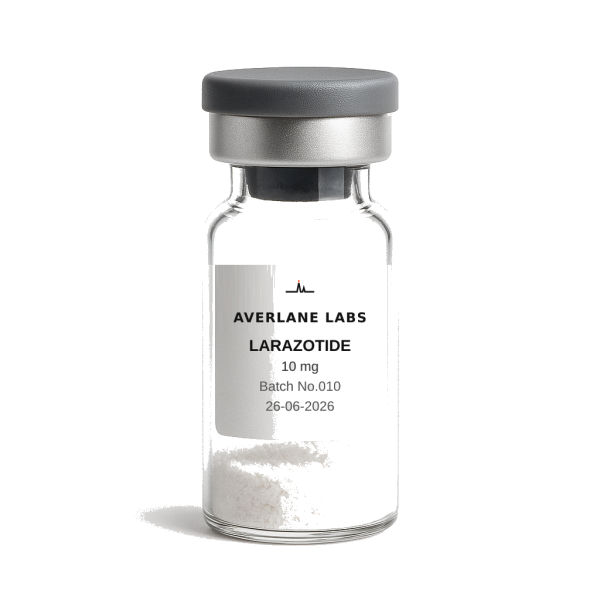
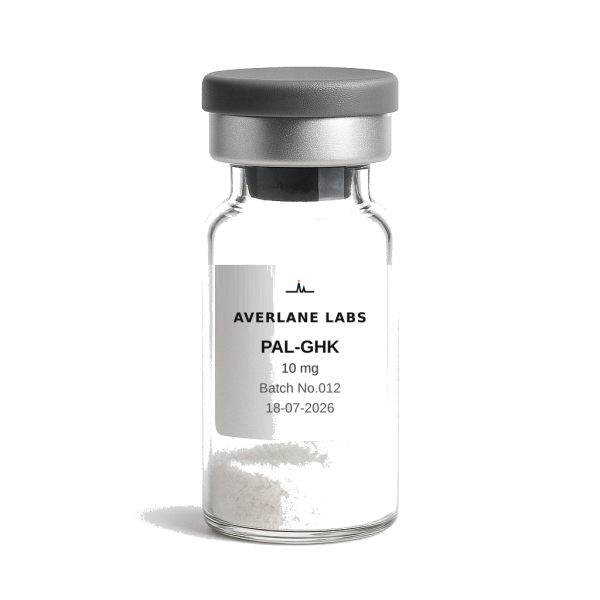

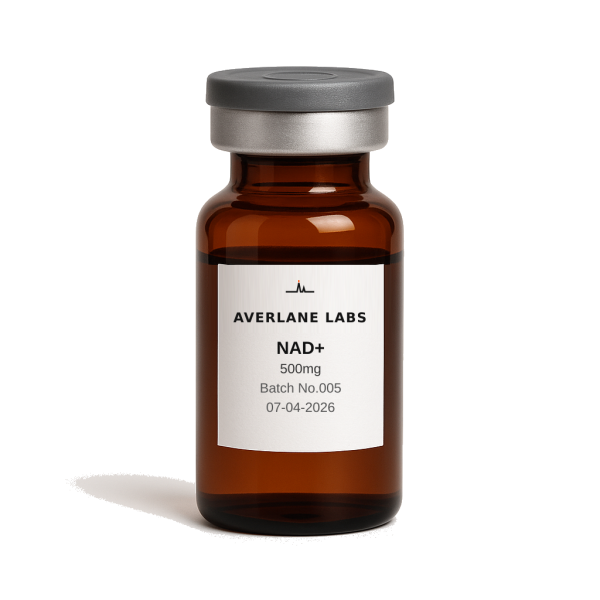
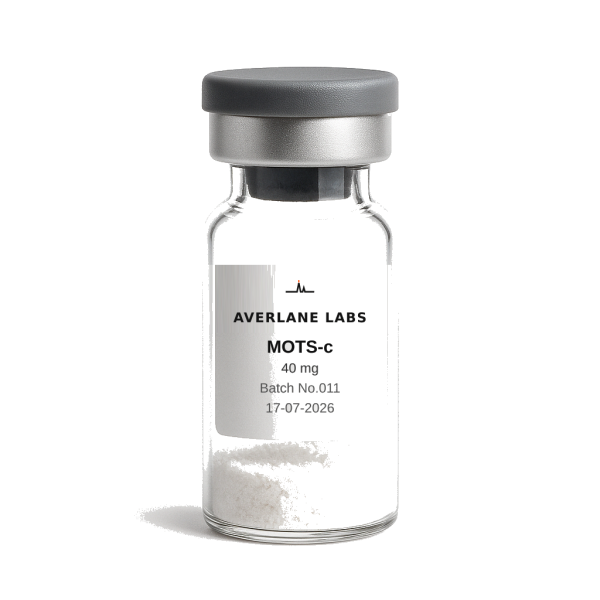


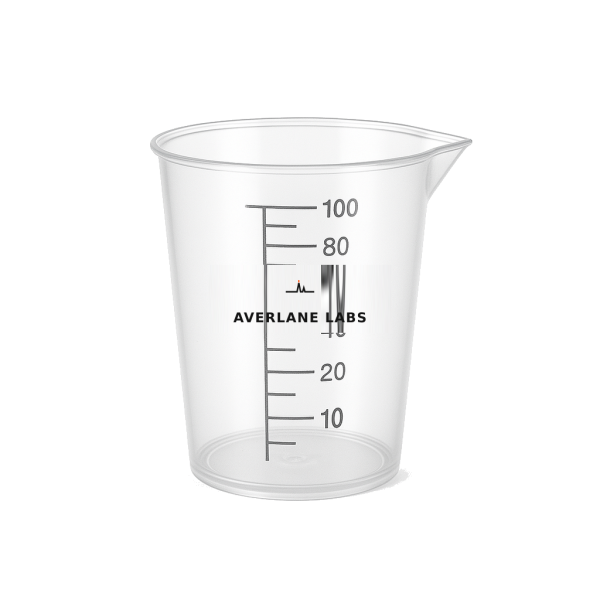
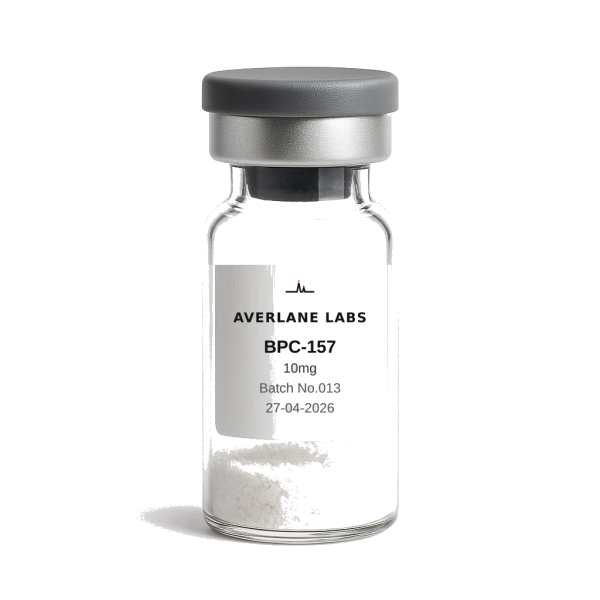
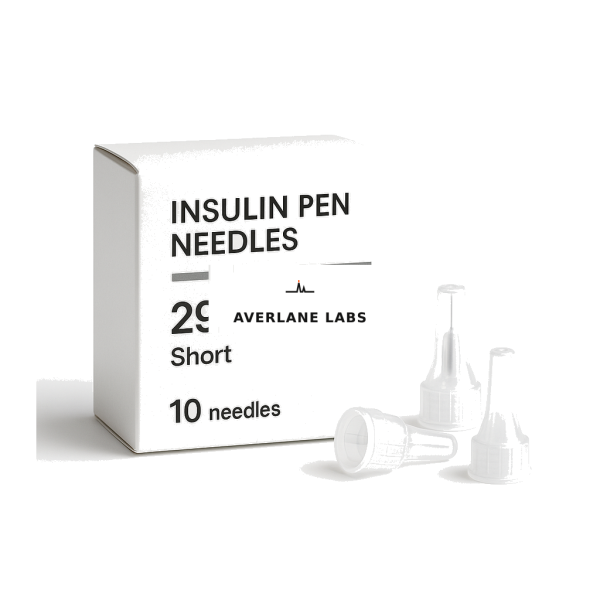
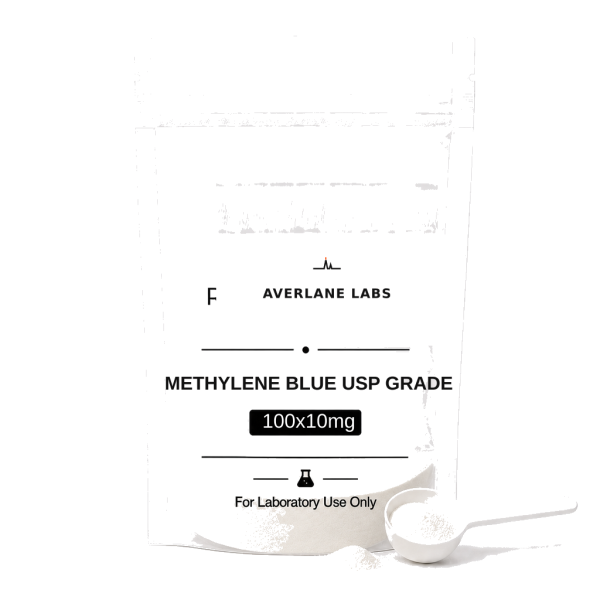
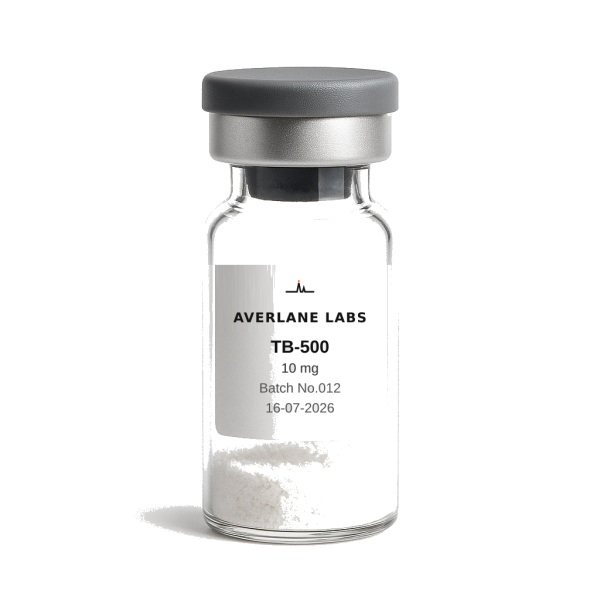
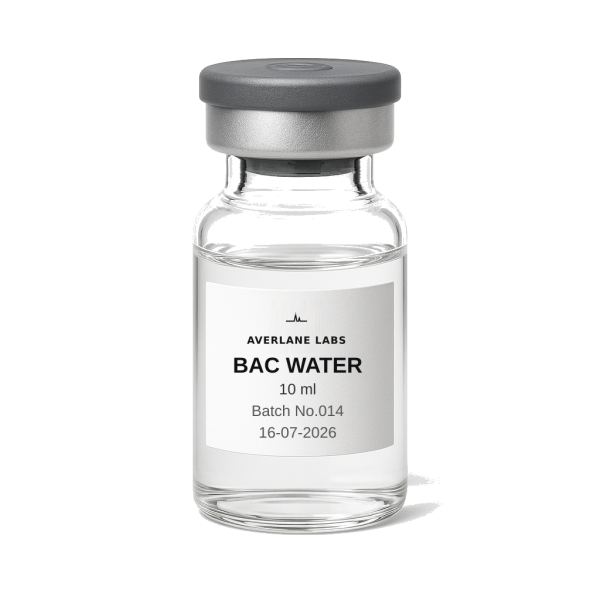
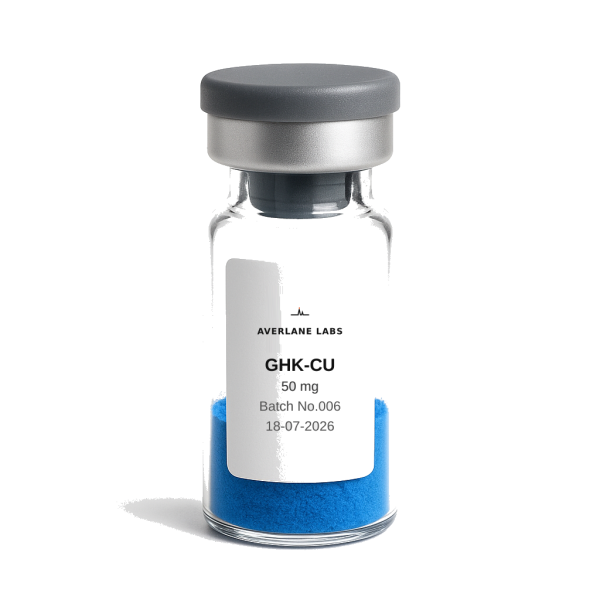
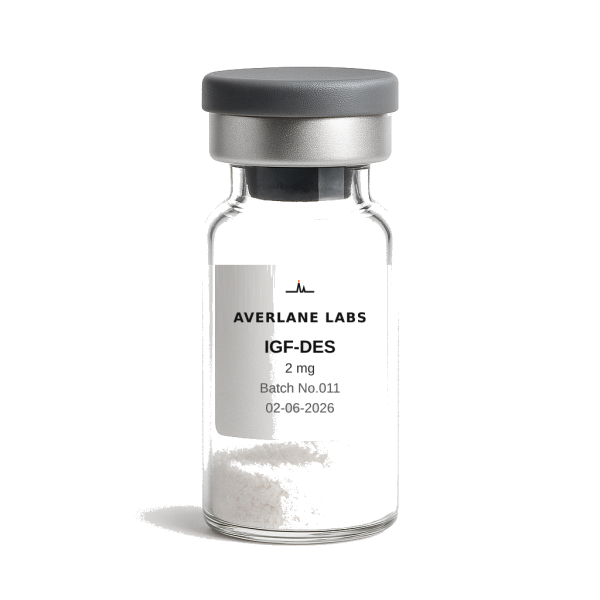
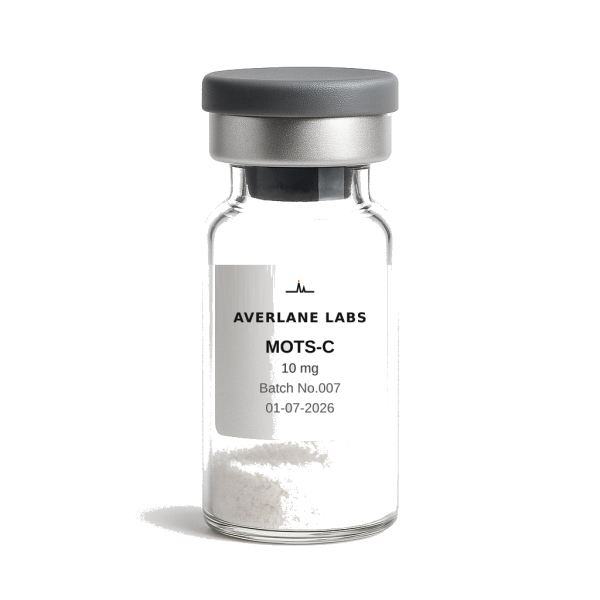
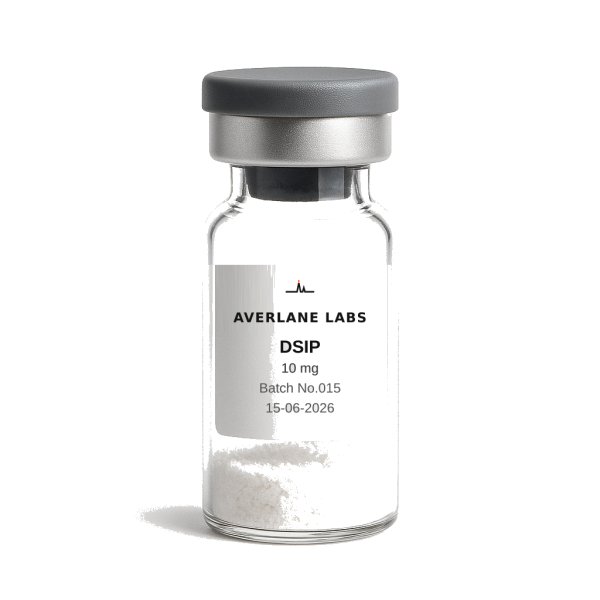


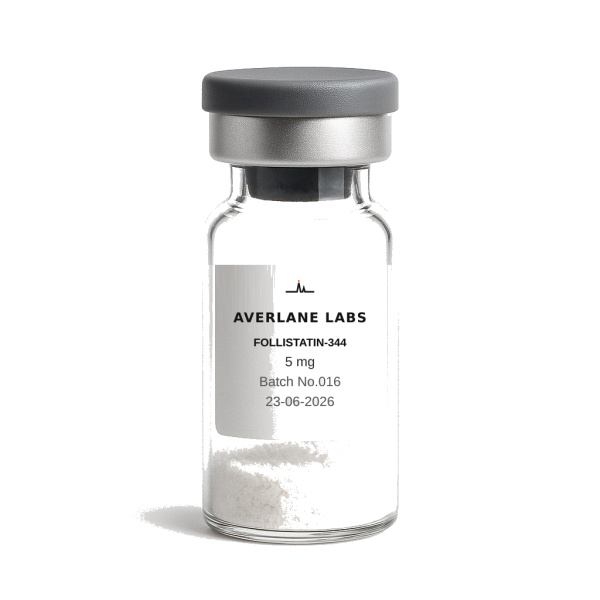
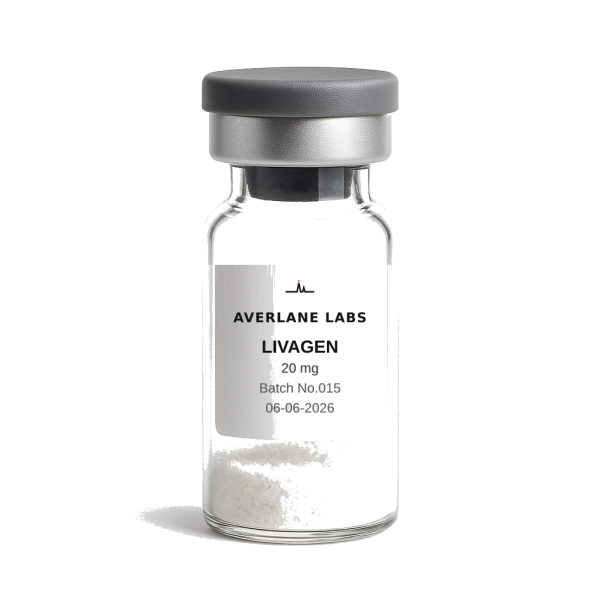
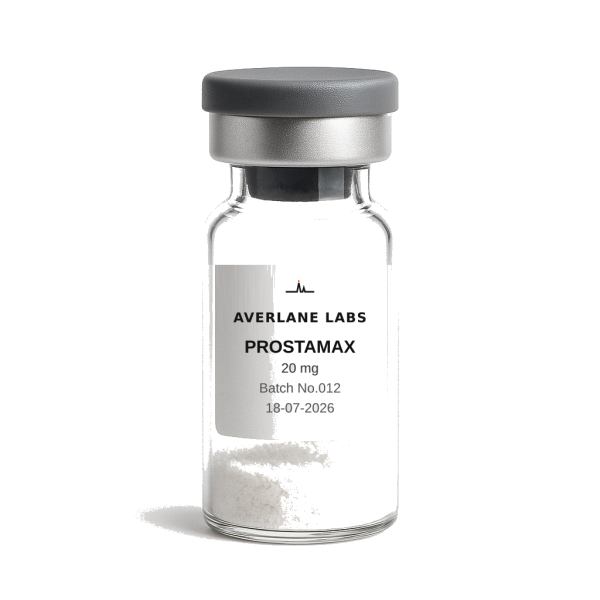
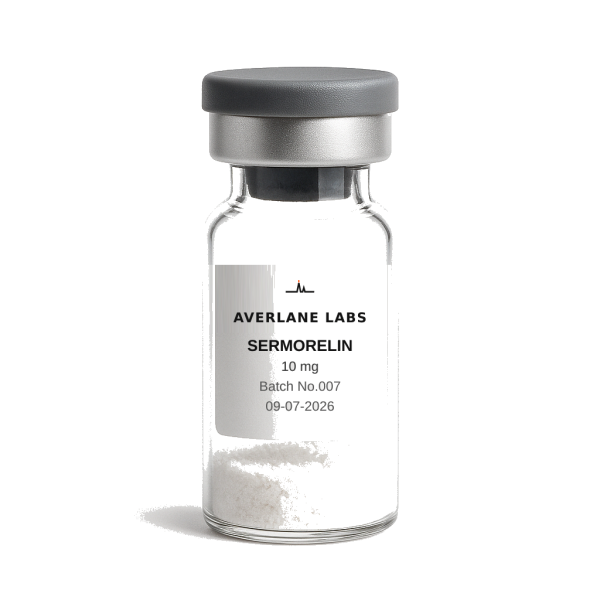
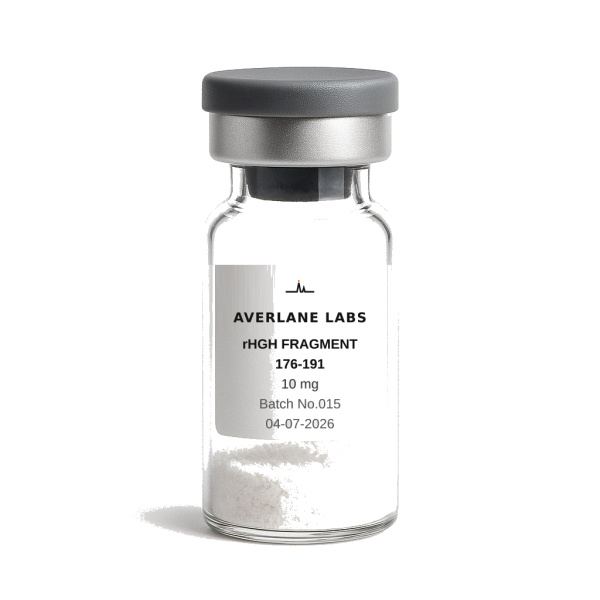
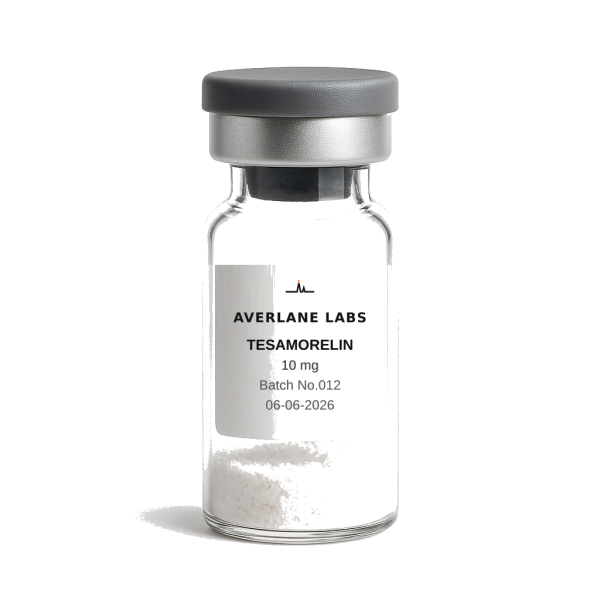
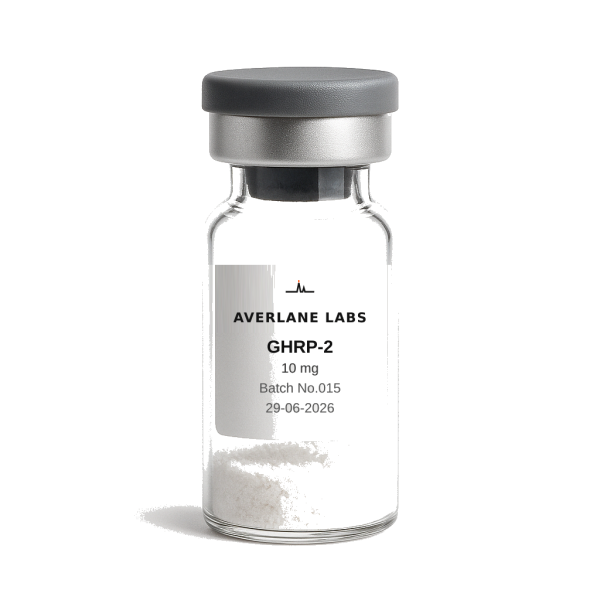
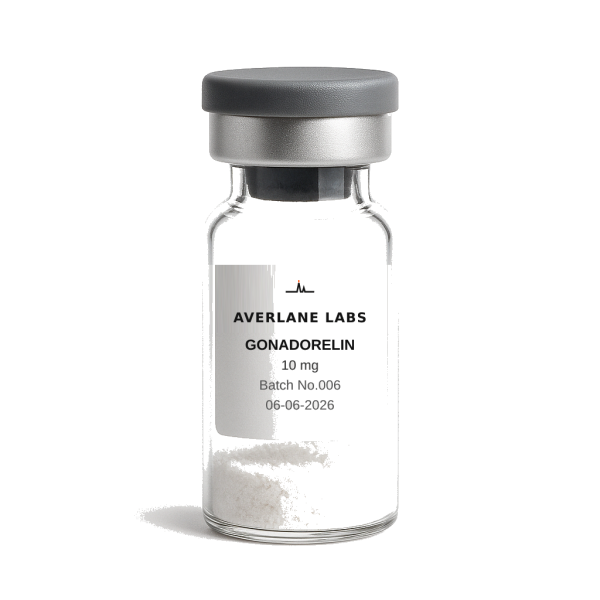
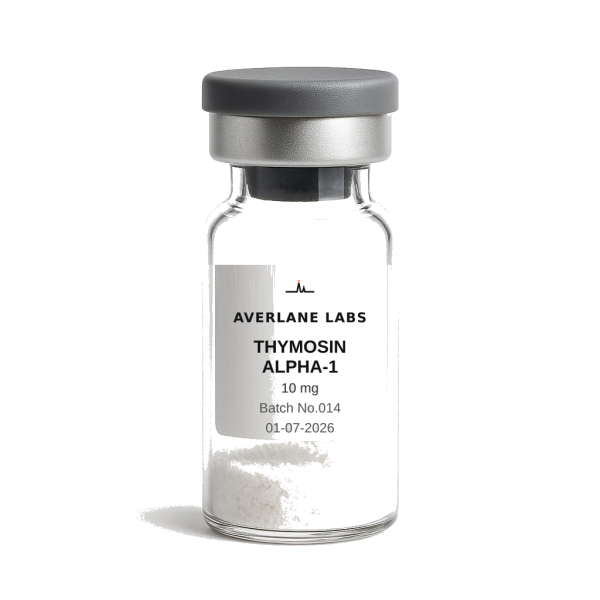
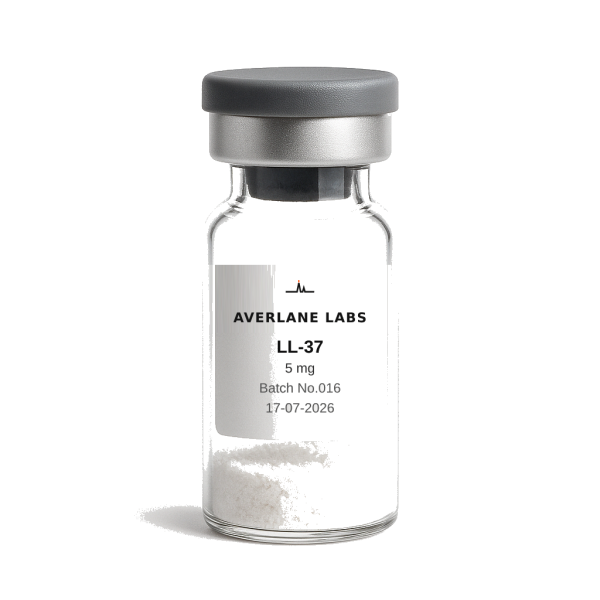
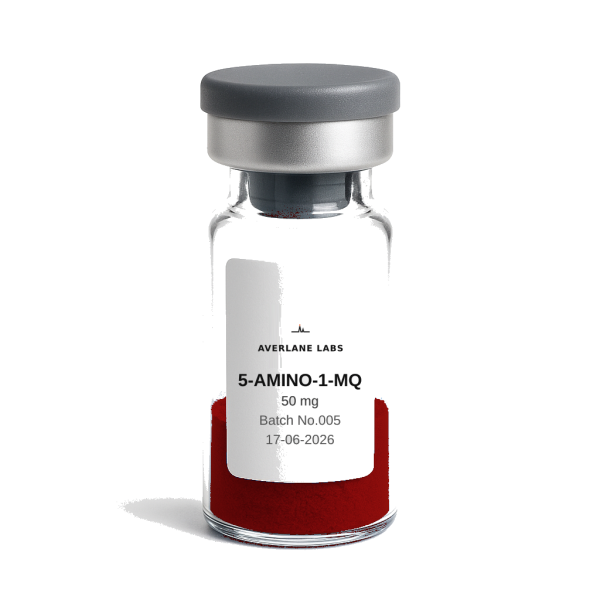
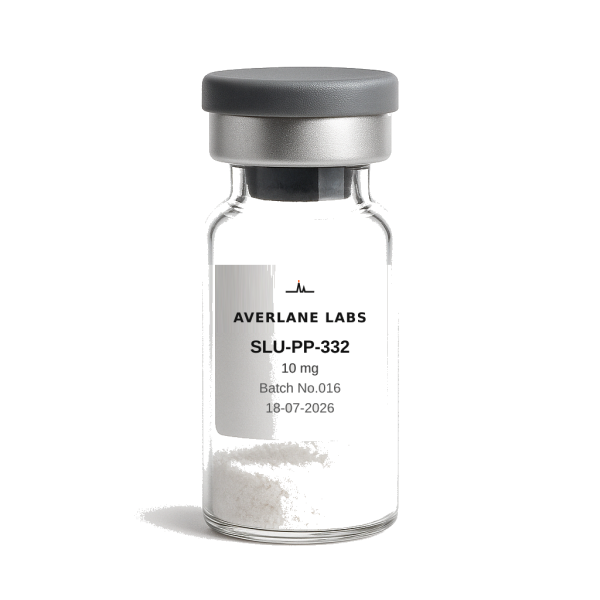
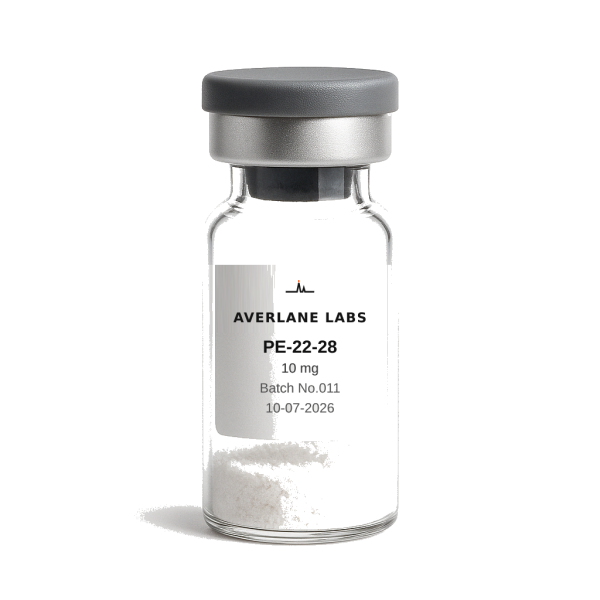
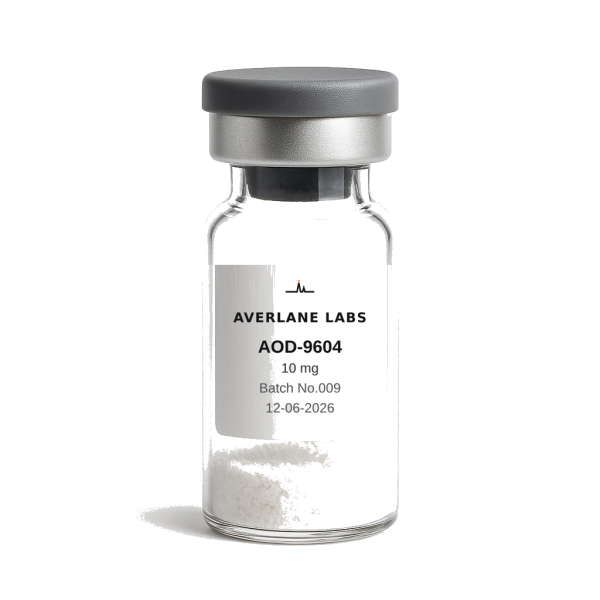
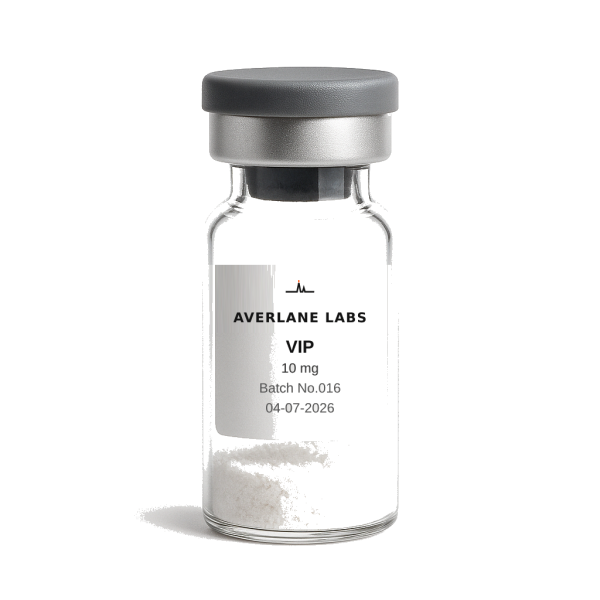
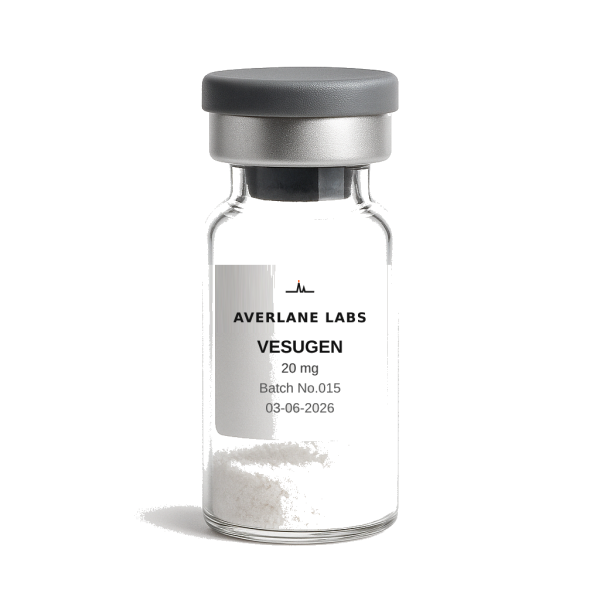
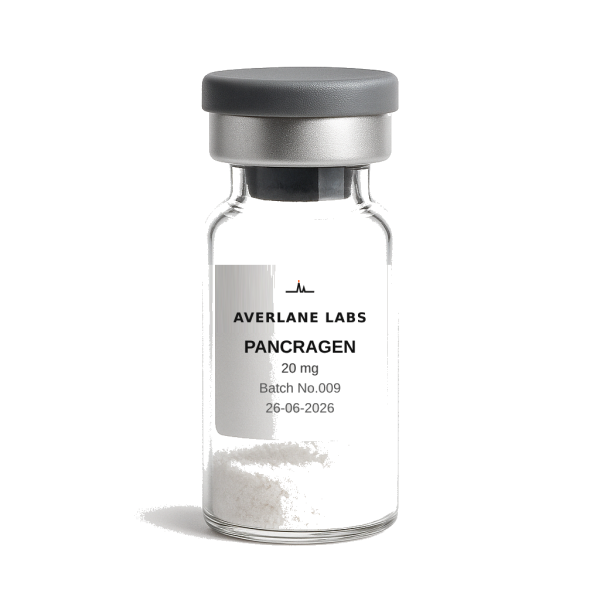
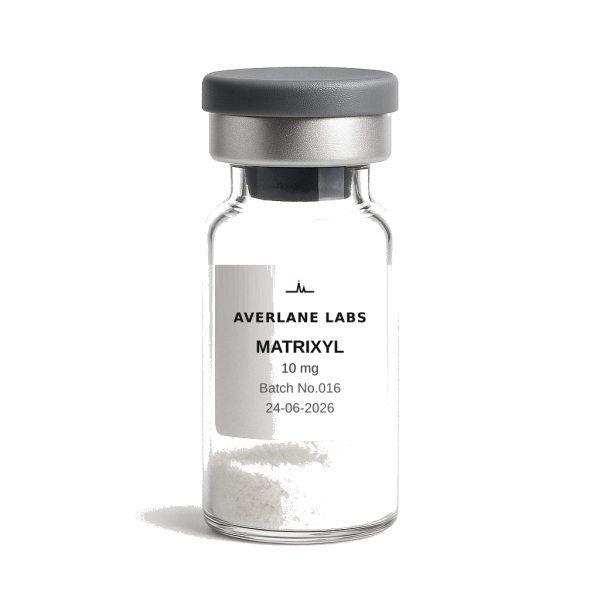
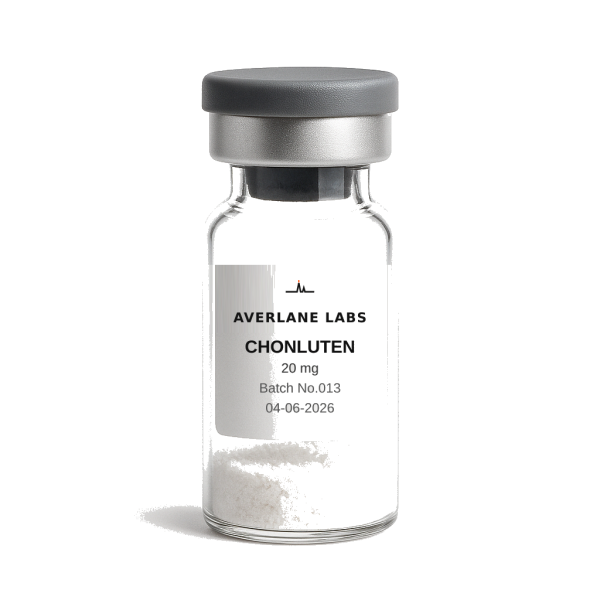
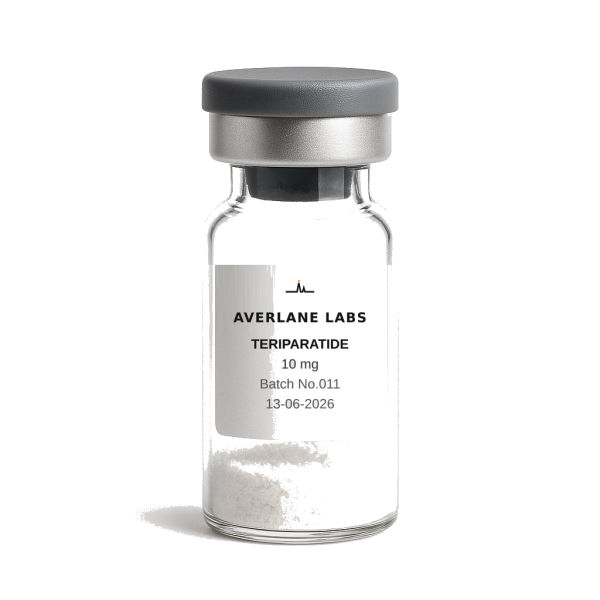
NOT FOR HUMAN CONSUMPTION
Plastic conical centrifuge tubes (typically 15 mL or 50 mL) are best viewed as standard laboratory consumables for sample handling, centrifugation, and storage, not precision analytical instruments. Their strength lies in durability, chemical resistance, and compatibility with centrifugation workflows, while performance depends on material quality, sealing integrity, and centrifuge compatibility.
2. Additional benefits / practical uses
| Benefit | Take-away |
|---|---|
| 1. Centrifugation compatibility | Designed to withstand high centrifugal forces without deformation |
| 2. Sample separation | Conical bottom allows efficient pellet formation after spinning |
| 3. Secure storage | Screw caps or snap caps reduce leakage and contamination |
| 4. Graduated markings | Enable approximate volume measurement |
| 5. Sterile options available | Many are pre-sterilized for biological work |
| 6. Chemical resistance | Suitable for aqueous buffers and many lab reagents |
| 7. Disposable convenience | Reduces cross-contamination risk |
| 8. Not for extreme solvents/heat | Some plastics degrade under harsh conditions |
3. Mechanism of action (functional design)
3.1 Structural “mechanics”
These tubes function via physical design optimized for centrifugation:
- Conical bottom → concentrates particles into a pellet
- Cylindrical body → holds liquid uniformly during spinning
- Thick plastic walls → resist deformation under g-force
- Sealed cap → prevents leakage during rotation
3.2 Design features and effects
| Feature | Functional outcome | Context |
|---|---|---|
| Conical tip | Efficient pellet formation | Cell culture, molecular biology |
| Screw cap (often) | Leak resistance | High-speed centrifugation |
| Graduation marks | Volume estimation | Routine lab prep |
| Flat or skirted base | Allows upright standing | Bench work |
4. “Performance characteristics” (practical equivalent of PK)
- Material: usually polypropylene (PP)
- Volume: typically 15 mL or 50 mL
- Centrifuge tolerance: often up to ~8,000–15,000 × g (varies by brand)
- Temperature tolerance: commonly -80°C to ~120°C (if high-quality PP)
- Sterility: available sterile or non-sterile
Performance depends on:
- wall thickness and uniformity
- cap seal quality
- compatibility with rotor/adapters
5. Evidence / real-world performance
5.1 Strong, well-established aspects
- Standard tool in biology, clinical, and chemistry labs
- Proven reliability for:
- cell pelleting
- sample separation
- storage and transport
Widely used in protocols across cell culture, PCR prep, and biochemistry
5.2 Limitations
- Not all tubes tolerate maximum centrifuge speeds
- Lower-quality tubes may:
- crack under stress
- leak at the cap
- Graduations are approximate, not precise measurements
6. Safety and tolerability (lab context)
Generally very safe when used correctly:
- No intrinsic hazard
- Risks are mechanical:
- tube rupture at high g-force
- leakage if improperly sealed
Plastic reduces risk compared to glass (no shattering).
7. Contraindications and cautions
Use caution with:
- Exceeding rated g-force → risk of tube failure
- Autoclaving non-autoclavable tubes
- Strong organic solvents (may degrade plastic)
- Overfilling → increases leakage risk
- Mismatched rotor adapters → instability during spin
8. Comparative practical matrix
| Feature | Conical centrifuge tubes |
|---|---|
| Main strength | Sample separation and centrifugation |
| Best use case | Cell pelleting, liquid handling, storage |
| Durability | Moderate–high (depends on quality) |
| Heat resistance | Moderate (PP-dependent) |
| Chemical resistance | Good for standard lab use |
| Core limitation | Not universal for all speeds/solvents |
| Best framing | Essential lab consumable |
9. Regulatory landscape
- Typically classified as laboratory consumables
- May be CE-marked or sterile-certified for clinical/lab use
- Not regulated as drugs or devices unless used in diagnostic kits
10. Future directions
Improvements focus on:
- Higher g-force tolerance materials
- Better leak-proof cap designs
- Enhanced graduation accuracy
- Sustainable or recyclable plastics
Best balanced summary
Plastic conical centrifuge tubes (100 pcs) are a core laboratory consumable designed for centrifugation, sample handling, and storage. Their conical shape enables efficient pellet formation, and their polypropylene construction provides durability and chemical resistance for routine lab work. While highly reliable in standard conditions, performance depends on tube quality and proper use, and they are not suitable for extreme forces, aggressive solvents, or precision measurement tasks.
Researcher reviews
No reviews yet for this lot line. Verified purchasers can leave the first one.
Reviews
There are no reviews yet.