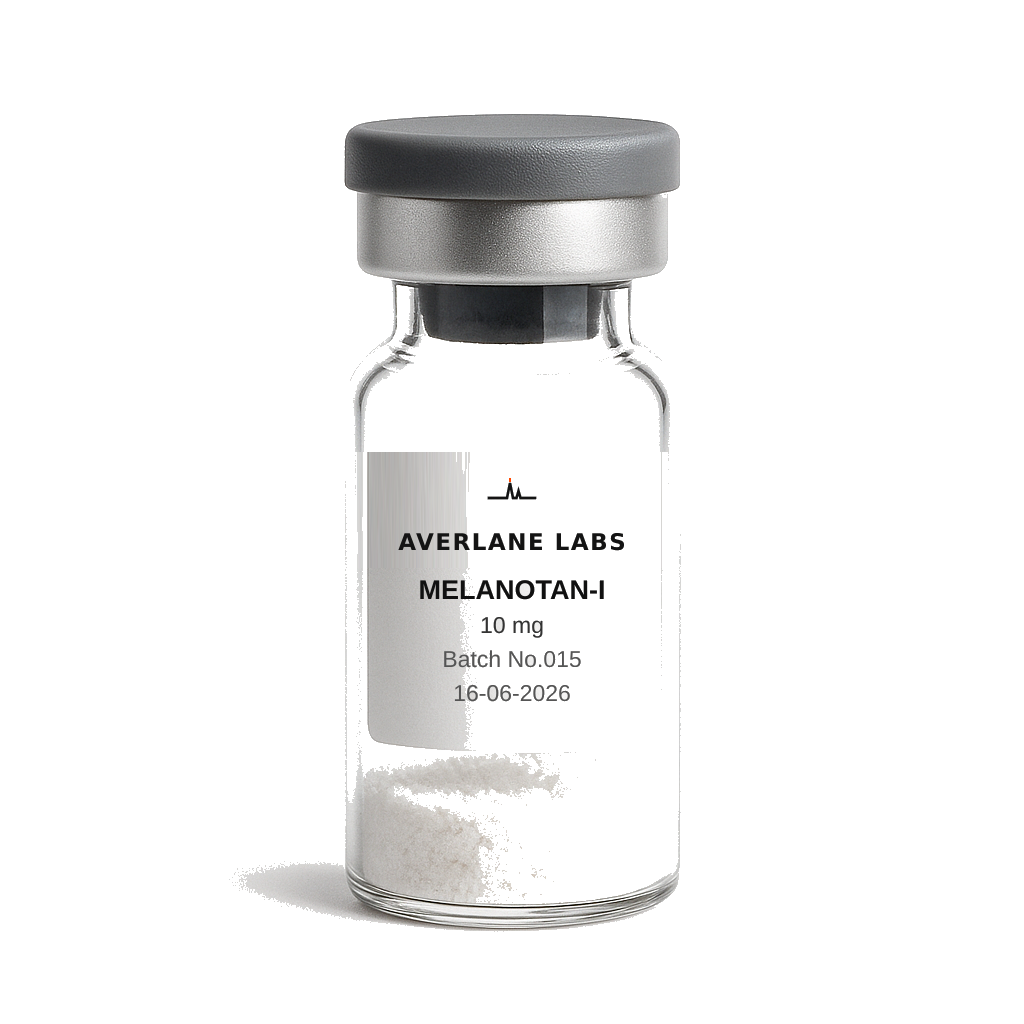
Melanotan-I 10mg vial
Certificate of Analysis available on request for the current lot.
Complete the setup
Reconstitution and bench supplies researchers pair with Melanotan-I 10mg vial
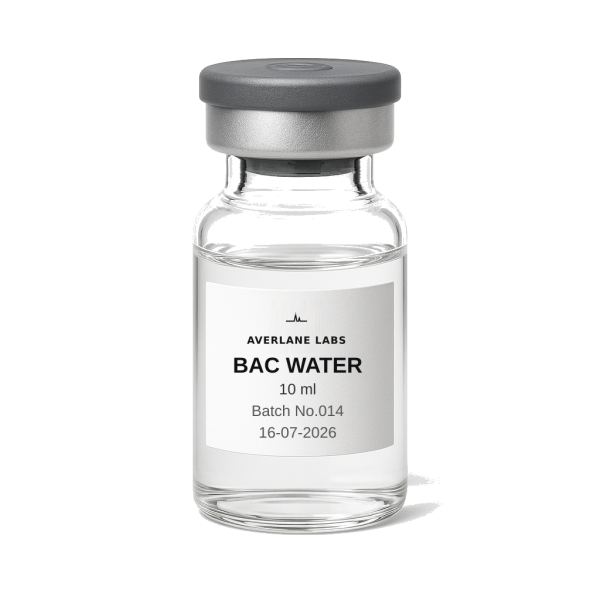
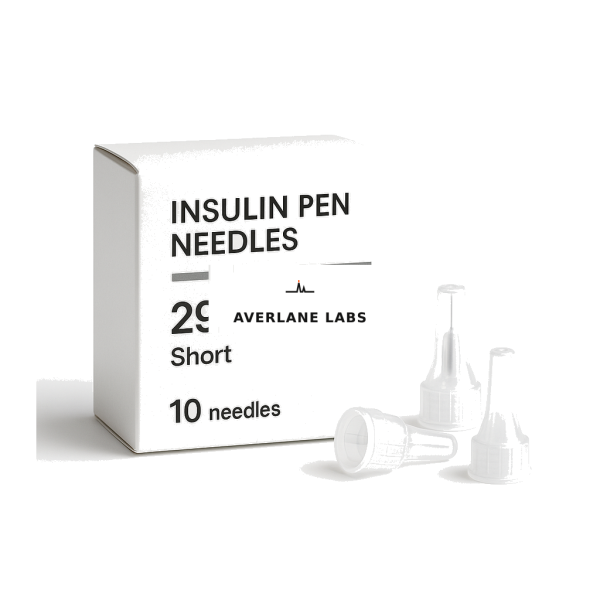
NOT FOR HUMAN CONSUMPTION
Melanotan I is a synthetic analog of α-melanocyte-stimulating hormone (α-MSH) that selectively activates the melanocortin-1 receptor (MC1R), stimulating melanogenesis in the skin. Increased eumelanin production enhances pigmentation and can improve natural photoprotection against ultraviolet (UV) radiation. The pharmaceutical form of afamelanotide is approved in several countries for the treatment of erythropoietic protoporphyria (EPP), while Melanotan I sold as a research peptide is not approved for cosmetic tanning and should not be considered equivalent to pharmaceutical-grade afamelanotide.
Additional Benefits of Melanotan I Under Investigation
BenefitKey take-aways1 Increased skin pigmentationProduces gradual, dose-dependent increases in eumelanin, resulting in darker skin pigmentation independent of UV exposure, although limited UV exposure enhances the effect.2 Improved photoprotectionIncreased eumelanin reduces UV-induced DNA damage and sunburn susceptibility, particularly in fair-skinned individuals.3 Erythropoietic protoporphyria (EPP)Pharmaceutical afamelanotide significantly increases pain-free sun exposure and quality of life in patients with EPP.4 Reduced UV-induced oxidative stressExperimental studies demonstrate lower oxidative stress markers following UV exposure due to increased melanin production.5 Potential skin cancer preventionBy reducing cumulative UV damage, Melanotan I may theoretically lower skin cancer risk, although definitive long-term human outcome studies are lacking.6 Improved pigment disordersInvestigational use in vitiligo and other hypopigmentation disorders has shown variable success when combined with phototherapy.7 Cosmetic tanning without excessive UVProduces a darker complexion while reducing the need for prolonged sun exposure compared with conventional tanning.8 Enhanced DNA repair signalingLaboratory models suggest activation of melanocortin pathways may enhance DNA repair following UV damage, although clinical significance remains uncertain.9 Quality of life in photosensitive disordersPatients with severe photosensitivity often report meaningful improvements in outdoor activity and psychological well-being after treatment.
2. Molecular Mechanism of Action
2.1 Receptor Pharmacodynamics
MC1R activation
Stimulates adenylate cyclase
Increases intracellular cAMP
Activates protein kinase A (PKA)
Upregulates MITF transcription factor
Increases tyrosinase activity
Promotes eumelanin synthesis
Unlike Melanotan II, Melanotan I exhibits high selectivity for MC1R and has minimal activity at melanocortin receptors associated with appetite or sexual function.
2.2 Downstream Biology
PathwayFunctional outcomeContextMC1R → cAMPIncreased melanogenesisSkin melanocytesMITF activationIncreased tyrosinase expressionPigment synthesisEumelanin productionDarker pigmentationEpidermisUV absorptionReduced DNA damageSkin protectionAnti-inflammatory signalingReduced UV-induced inflammationExperimental models
3. Pharmacokinetics
Route
Subcutaneous injection (research peptide)
Subcutaneous biodegradable implant (approved afamelanotide)
Half-life
Native peptide is rapidly degraded.
Melanotan I modifications increase stability compared with endogenous α-MSH but still require repeated administration.
The approved implant provides sustained release over approximately two months.
Distribution
Primarily extracellular peptide distribution.
Acts on melanocytes expressing MC1 receptors.
Metabolism
Proteolytic degradation into inactive peptide fragments.
Food interactions
None known.
4. Pre-clinical and Clinical Evidence
4.1 Erythropoietic Protoporphyria
Multiple randomized clinical trials demonstrated:
significantly longer pain-free sun exposure
reduced phototoxic reactions
improved quality of life
favorable long-term safety under specialist supervision
These findings supported regulatory approval of pharmaceutical afamelanotide for EPP.
4.2 Pigmentation
Clinical studies consistently demonstrate:
increased eumelanin production
progressive skin darkening
reduced UV sensitivity
greater tanning response with lower UV exposure
Pigmentation develops gradually over several weeks.
4.3 Vitiligo
Early studies combining afamelanotide with narrow-band UVB therapy demonstrated:
accelerated repigmentation
improved response compared with UVB alone
greatest benefit in darker skin phototypes
Larger confirmatory studies remain limited.
Evidence quality note
The strongest evidence supports use in EPP through pharmaceutical afamelanotide. Cosmetic tanning applications rely on smaller studies and off-label experience. Research peptide preparations have not undergone the quality control, safety evaluation, or regulatory review required for approved medicines.
5. Emerging Clinical Interests
FieldRationaleStatusEPPApproved indicationEstablishedVitiligoPigment restorationInvestigationalPolymorphic light eruptionImproved UV toleranceEarly studiesSolar urticariaPhotosensitivity reductionExploratoryPrevention of UV damageIncreased eumelaninExperimentalGenetic photosensitivity disordersPhotoprotectionInvestigational
6. Safety and Tolerability
Common (generally mild)
nausea
facial flushing
fatigue
headache
injection-site discomfort
transient appetite reduction
Skin
generalized skin darkening
darkening of freckles
darkening of existing moles
Regular dermatologic skin examinations are recommended for patients receiving long-term therapy because pigmented lesions become more noticeable.
Cardiovascular
generally minimal cardiovascular effects
occasional mild blood pressure changes
Gastrointestinal
mild nausea is the most common adverse effect
significantly less gastrointestinal intolerance than GLP-1 receptor agonists
Cancer
Current evidence has not demonstrated that pharmaceutical afamelanotide causes melanoma or other skin cancers. However, any new, changing, or atypical pigmented lesion should be evaluated by a dermatologist. Long-term surveillance continues.
Contraindications / caution
pregnancy and breastfeeding
hypersensitivity to the product
use only under specialist supervision for approved indications
Comparative Safety Matrix
FeatureMelanotan IMelanotan IIPrimary receptorMC1R selectiveMC1R + broader melanocortin activityPigmentationHighHighAppetite suppressionMinimalMildSexual effectsMinimalCommonNauseaMildModerateFlushingMildModeratePriapism riskVery rareIncreasedClinical approvalPharmaceutical afamelanotide for EPPNone
7. Regulatory Landscape
Approved pharmaceutical
Afamelanotide implant is approved in multiple regions for the treatment of erythropoietic protoporphyria under specialist care.
Research peptide
Melanotan I sold online as a "research chemical" has no approval for cosmetic tanning. Manufacturing quality, purity, sterility, and dosage may vary substantially between suppliers.
8. Future Directions
Expanded use in vitiligo
Additional photosensitivity disorders
Improved sustained-release formulations
Long-term skin cancer prevention studies
Personalized treatment according to MC1R genotype
Combination therapies with phototherapy and dermatologic treatments
Selected References
New England Journal of Medicine, Clinical trials of afamelanotide in erythropoietic protoporphyria.
The Lancet, Afamelanotide and photoprotection in photosensitivity disorders.
Journal of Investigative Dermatology, MC1R signaling and melanogenesis.
Pigment Cell & Melanoma Research, Melanocortin biology and pigment disorders.
British Journal of Dermatology, Afamelanotide in vitiligo and photoprotection.
Photodermatology, Photoimmunology & Photomedicine, Clinical applications of melanocortin analogues.
Evidence quality note: Most high-quality clinical evidence relates to pharmaceutical afamelanotide for EPP. Claims regarding cosmetic tanning, skin cancer prevention, and other investigational uses remain less well established and require additional long-term randomized studies.
Researcher reviews
No reviews yet for this lot line. Verified purchasers can leave the first one.
Reviews
There are no reviews yet.