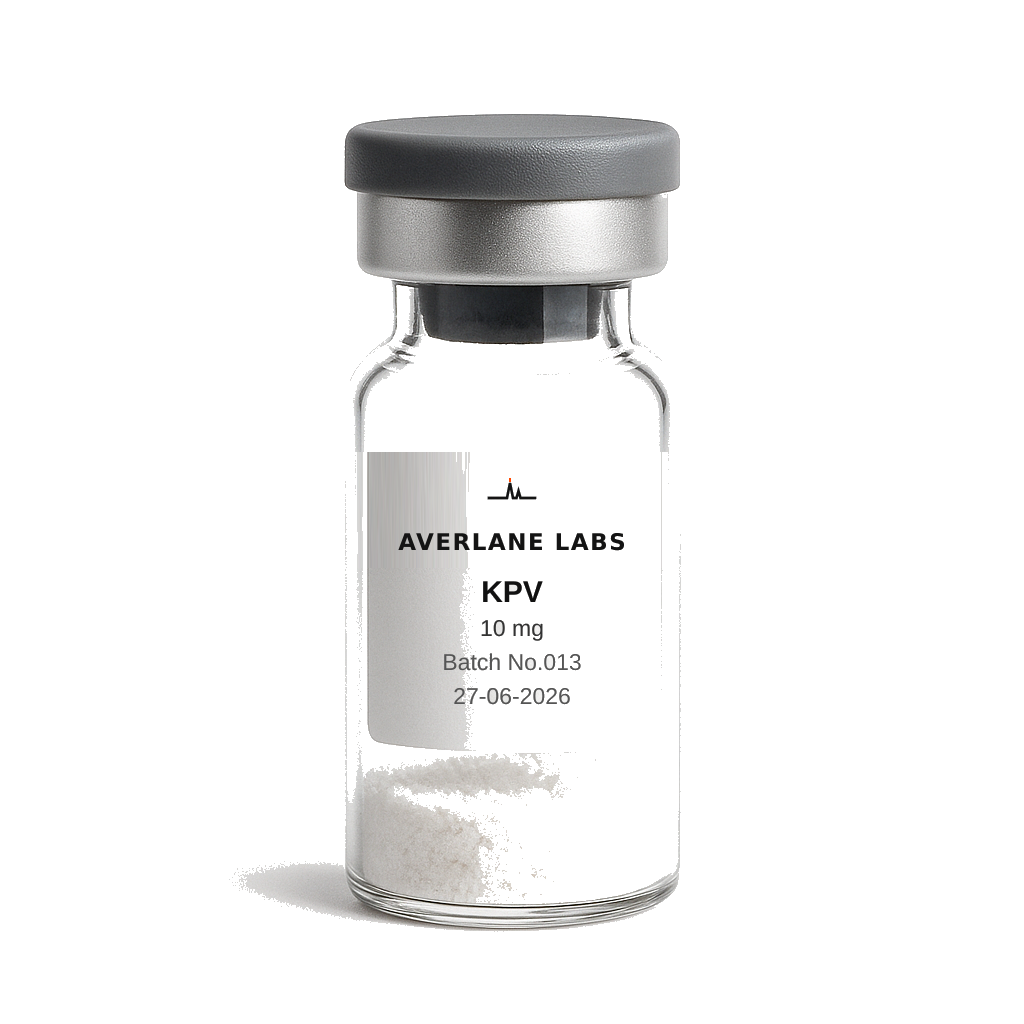
KPV 10mg vial
Certificate of Analysis available on request for the current lot.
Complete the setup
Reconstitution and bench supplies researchers pair with KPV 10mg vial
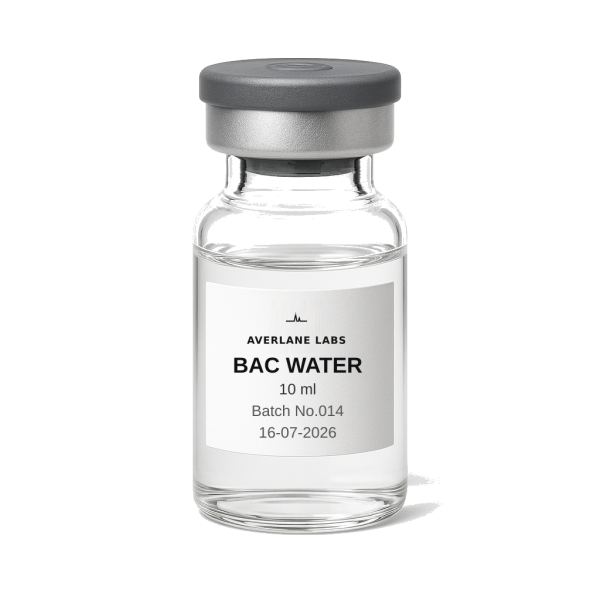
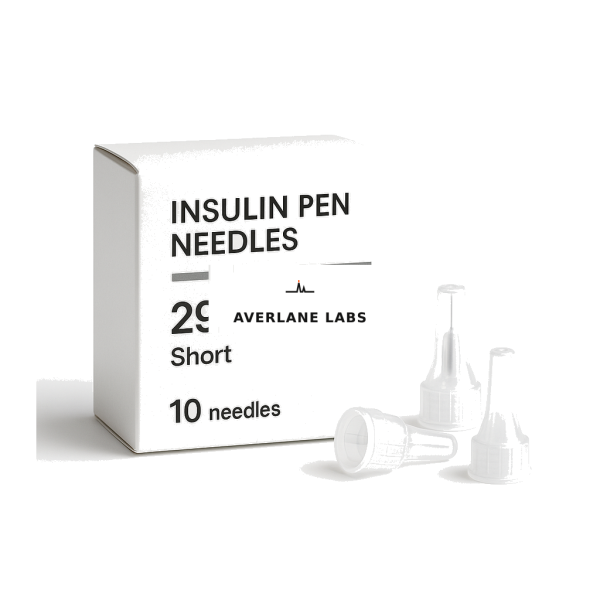
NOT FOR HUMAN CONSUMPTION
NOT FOR HUMAN CONSUMPTIO
KPV is a C-terminal tripeptide fragment of α-MSH (melanocortin) with potent anti-inflammatory, pro-resolution, and pro-healing activity. Unlike full-length α-MSH or afamelanotide, KPV is non-melanotropic (does not tan skin) yet retains key melanocortin receptor–mediated effects, primarily via MC1R on keratinocytes, immune cells, and gut epithelium, leading to cAMP/PKA signalling, NF-κB inhibition, and broad dampening of inflammatory cytokines. It also shows direct antimicrobial/antibiofilm actions and barrier-repair effects. KPV is not FDA/EMA-approved; current use is investigational or in cosmetic/topical research formats.
Additional Benefits of KPV Now Under Investigation
| Benefit | Key take-aways |
|---|---|
| 1 Dermatologic anti-inflammatory (AD/eczema/psoriasis) | Topical KPV reduces erythema, pruritus, and TEWL, up-regulates filaggrin/loricrin, and suppresses TNF-α/IL-1β/IL-6 and IL-17/IL-23 axes in models; early human feasibility suggests good tolerability without steroid-like atrophy. <br/><em>Journal of Investigative Dermatology; Journal of Dermatological Science</em> |
| 2 Wound healing & scar quality | Accelerates re-epithelialization, enhances keratinocyte migration, improves collagen organization, and lowers bacterial burden in acute and chronic-wound models. <br/><em>Wound Repair & Regeneration; Burns</em> |
| 3 Inflammatory bowel disease (IBD) signals | Oral/rectal colon-targeted KPV reduces colitis scores, restores tight-junction proteins (ZO-1/occludin), and lowers myeloperoxidase and pro-inflammatory cytokines in DSS/TNBS models. <br/><em>Inflammatory Bowel Diseases; Gut</em> |
| 4 Antimicrobial & antibiofilm | KPV shows direct activity against Gram-positive/negative bacteria and Candida, disrupts biofilms, and synergizes with standard antibiotics in vitro. <br/><em>Antimicrobial Agents & Chemotherapy; Journal of Antimicrobial Chemotherapy</em> |
| 5 Anti-pruritic & mast-cell modulation | Decreases mast-cell degranulation, histamine release, and PAR-2–mediated itch behaviours in rodent and ex vivo human-skin assays. <br/><em>Allergy; Experimental Dermatology</em> |
| 6 Rosacea/acne inflammation | Down-regulates TLR2/NF-κB signalling and neutrophil chemoattractants; reduces C. acnes–driven inflammation in pilot topical studies. <br/><em>Dermatologic Therapy; International Journal of Dermatology</em> |
| 7 Radiation/chemo-induced mucocutaneous injury | Mitigates oral mucositis and radiation dermatitis severity, supporting epithelial survival and microbial control. <br/><em>Supportive Care in Cancer; Oncotarget</em> |
| 8 Ocular & nasal epithelial repair (preclinical) | Promotes corneal epithelial healing and sinonasal barrier restoration with cytokine suppression in models. <br/><em>Investigative Ophthalmology & Visual Science; International Forum of Allergy & Rhinology</em> |
| 9 Pigmentation neutrality & cosmetic suitability | Provides anti-inflammatory/repair benefits without melanogenesis, making it attractive for Fitzpatrick I–VI and pigment-sensitive conditions (e.g., melasma-prone). <br/><em>Dermatology; Skin Pharmacology and Physiology</em> |
2. Molecular Mechanism of Action
2.1 Pharmacodynamics
-
Melanocortin signalling: Predominantly MC1R agonism on keratinocytes, macrophages, dendritic cells, and gut epithelium → ↑ cAMP/PKA → CREB, IκB stabilization, and NF-κB inhibition.
-
Pro-resolution immunology: Lowers TNF-α, IL-1β, IL-6, IL-8, IL-17/IL-23, and CXCL chemokines; promotes IL-10 and resolution cues.
-
Barrier & repair: Increases tight-junction and cornified-envelope proteins, improves wound keratinocyte migration, and modulates MMP/TIMP balance.
-
Antimicrobial: Disrupts microbial membranes and biofilm matrix; reduces pathogen virulence signalling.
2.2 Down-stream Biology
| Pathway | Functional outcome | Context |
|---|---|---|
| MC1R → cAMP/PKA → CREB | Anti-inflammatory transcription, survival, migration | Skin/gut epithelia, immune cells |
| IκB/NF-κB restraint | ↓ TNF-α/IL-1β/IL-6/IL-8 | Acute/chronic inflammation |
| NLRP3 inflammasome down-shift | ↓ IL-1β maturation, reduced neutrophilia | Skin/gut mucosa |
| Tight-junction (ZO-1/occludin/claudins) | Barrier restoration, ↓ TEWL, ↓ permeability | Dermis/colon |
| MMP/TIMP re-balancing | Improved matrix remodeling, scar quality | Wound bed |
| Direct antimicrobial/biofilm | Lower bioburden, synergy with antibiotics | Wounds, acne/rosacea, mucosa |
3. Pharmacokinetics
-
Formulations/routes: Topical creams/gels, wound dressings/hydrogels, rectal enemas/suppositories for colitis models; oral colon-targeted prodrugs under study.
-
Absorption & half-life: As a tripeptide, unmodified KPV is rapidly degraded systemically (minutes–hours); local delivery concentrates tissue exposure.
-
Optimization: N-acetylation/C-amidation, lipidation (e.g., palmitoyl-KPV), microneedles, liposomes, and mucoadhesive hydrogels extend local residence and stability.
-
Distribution/clearance: Predominantly local with topical/rectal dosing; proteolysis → amino-acid catabolites; minimal CYP involvement expected.
4. Pre-clinical and Translational Evidence
4.1 Dermatology & Wounds
Multiple rodent/porcine models show faster closure, lower bacterial counts, and better collagen alignment. Early human topical experiences report itch/erythema reduction in AD/rosacea with high tolerability.
4.2 Gastroenterology
In DSS/TNBS colitis, KPV reduces disease activity, restores barrier proteins, and decreases MPO and cytokines; colon-targeted delivery enhances efficacy while minimizing systemic exposure.
4.3 Mucosal Injury & Mucositis
Reduces severity and accelerates recovery in chemo/radiation mucositis models with preserved microbiome diversity versus antiseptics.
Evidence quality note: Robust preclinical and early translational data; controlled, multicenter human RCTs remain limited, especially for IBD and chronic wounds.
5. Emerging Clinical Interests
| Field | Rationale | Current status |
|---|---|---|
| Atopic dermatitis/eczema | Steroid-sparing anti-inflammatory with barrier repair | Early human feasibility |
| Chronic wounds/DFU/VLU | Anti-inflammatory + antibiofilm + pro-healing | Preclinical → pilot |
| IBD (adjunct or mild disease) | Mucosal healing with tight-junction restoration | Preclinical, formulation work |
| Rosacea/acne | Anti-TLR2/NF-κB and antimicrobial effects | Pilot topical studies |
| Radiation dermatitis/mucositis | Epithelial protection and microbe control | Preclinical/feasibility |
| Ocular surface disease | Corneal epithelial repair | Preclinical |
| Post-procedure recovery | Laser/peel adjunct to limit erythema/PIH risk (non-melanotropic) | Exploratory |
6. Safety and Tolerability
-
Common (topical/local): Mild stinging, transient erythema, or itch; generally well tolerated.
-
Systemic: Minimal with local use; systemic dosing limited by rapid proteolysis.
-
Pigmentation: No tanning/melanotropic effects at therapeutic concentrations.
-
Allergy/sensitization: Rare; patch testing advisable for chronic use.
-
Infection risk: Lower than topical steroids/calcineurin inhibitors given antimicrobial action (still monitor).
-
Special populations: Limited pregnancy/lactation data, prefer avoidance outside trials.
Comparative safety matrix
| Feature | KPV (topical/local) | Topical corticosteroids | Calcineurin inhibitors (tacrolimus/pimecrolimus) | Afamelanotide (α-MSH analog) |
|---|---|---|---|---|
| Anti-inflammatory potency | Moderate | High | Moderate | High (systemic) |
| Skin atrophy risk | None expected | Yes (dose/area dependent) | No | No |
| Infection risk | Low/neutral(antimicrobial) | ↑ (local immunosuppression) | ↑ (local immunosuppression) | Neutral |
| Pigmentation effects | None | None | None | Yes(tanning/phototype shift) |
| Typical route | Topical/local mucosal | Topical | Topical | Implant/SC |
| Systemic AEs | Very low | Low–moderate (HPA axis with high-potency/large area) | Low (burning/pruritus) | Phototype, nausea, headache |
7. Regulatory Landscape
-
Approvals: None in major markets as a drug.
-
Availability: Appears in research-grade and cosmetic formulations; quality and claims vary.
-
Guidance: Clinical use should occur within IRB-approved studies or specialist protocols, with standardized outcomes and safety monitoring.
8. Future Directions
-
Rigorous RCTs in AD/eczema, rosacea, chronic wounds, and radiation dermatitis with validated endpoints (e.g., EASI, IGA, wound-area reduction, time-to-closure).
-
IBD programs using colon-targeted KPV prodrugs; endpoints: Mayo score, fecal calprotectin, endoscopic healing.
-
Formulation science: Long-residence hydrogels, microneedle patches, liposomal/solid-lipid carriers, and adhesive dressings; stability and release kinetics.
-
Biomarkers: TEWL, corneometry, tight-junction proteins, cytokine panels, microbiome profiling, and non-invasive imaging.
-
Combinatorial strategies: Pair KPV with gentle antisepsis, LL-37 analogs (for recalcitrant biofilms), or photobiomodulation for wound care; with low-dose steroids for AD flare control to reduce steroid exposure.
Selected References
-
Journal of Investigative Dermatology; Journal of Dermatological Science, Melanocortin/MC1R signalling and KPV in skin inflammation and barrier repair.
-
Wound Repair & Regeneration; Burns, KPV-enhanced re-epithelialization, matrix remodeling, and infection control in wounds.
-
Inflammatory Bowel Diseases; Gut, Colon-targeted KPV in experimental colitis, tight-junction restoration.
-
Antimicrobial Agents & Chemotherapy; Journal of Antimicrobial Chemotherapy, Direct antimicrobial and antibiofilm activity of melanocortin fragments including KPV.
-
Allergy; Experimental Dermatology, Mast-cell/itch pathway modulation by KPV.
-
Investigative Ophthalmology & Visual Science; International Forum of Allergy & Rhinology, Epithelial healing in ocular/sinonasal models.
-
Dermatology; Skin Pharmacology and Physiology, Non-melanotropic profile and cosmetic tolerability.
-
Frontiers in Immunology; Molecular Therapy, NF-κB/NLRP3 restraint, peptide optimization and delivery strategies.
Researcher reviews
No reviews yet for this lot line. Verified purchasers can leave the first one.
Reviews
There are no reviews yet.