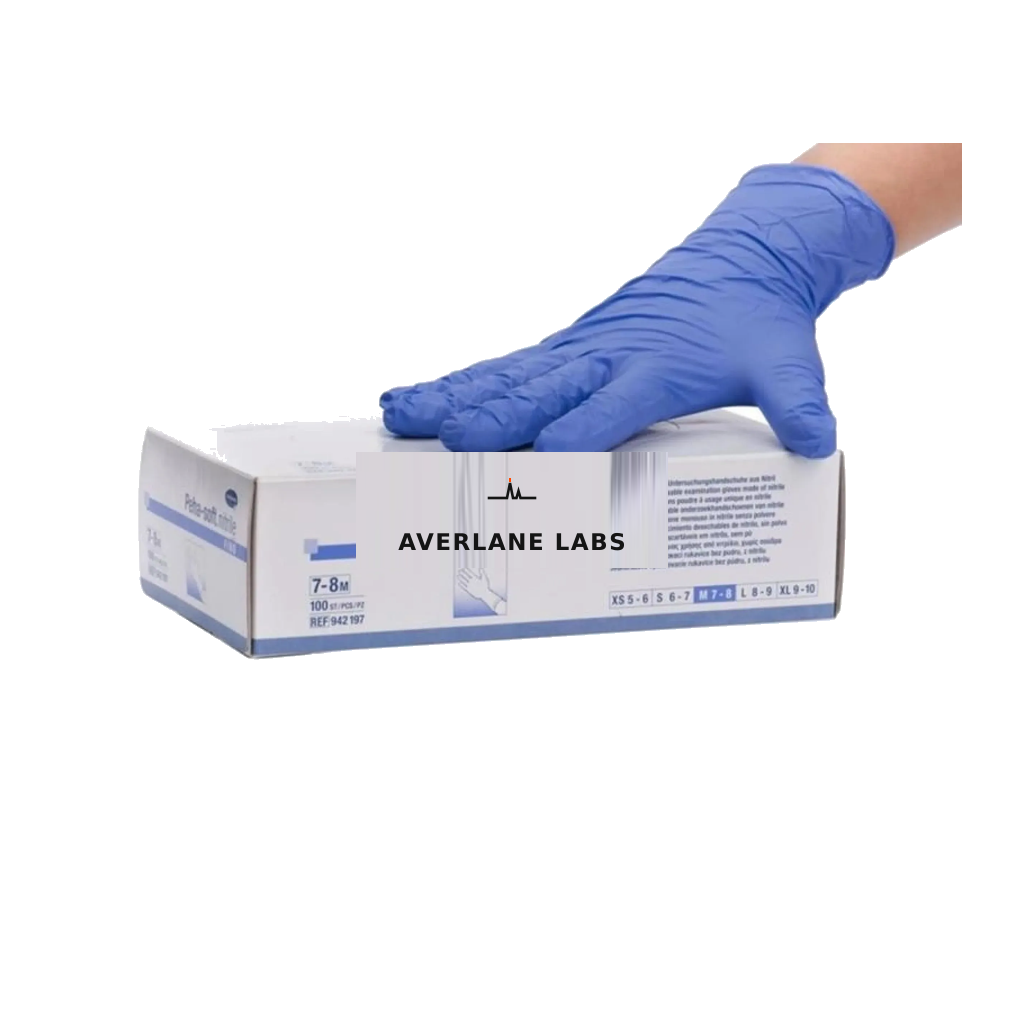
Latex Gloves 150pc
Certificate of Analysis available on request for the current lot.
Complete the setup
Reconstitution and bench supplies researchers pair with Latex Gloves 150pc
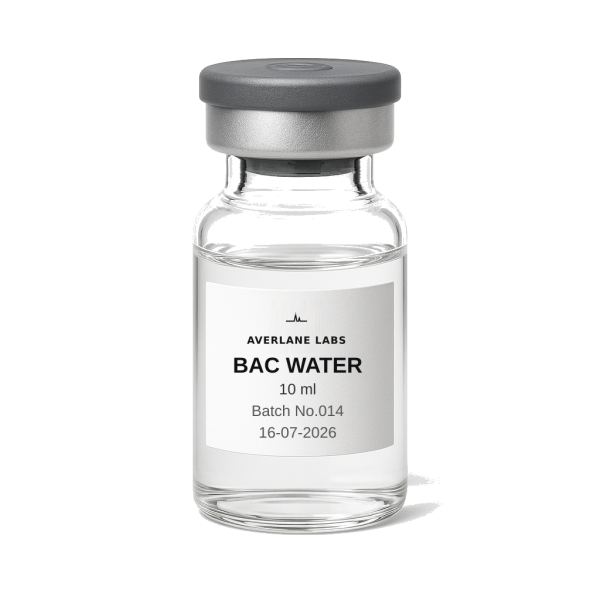
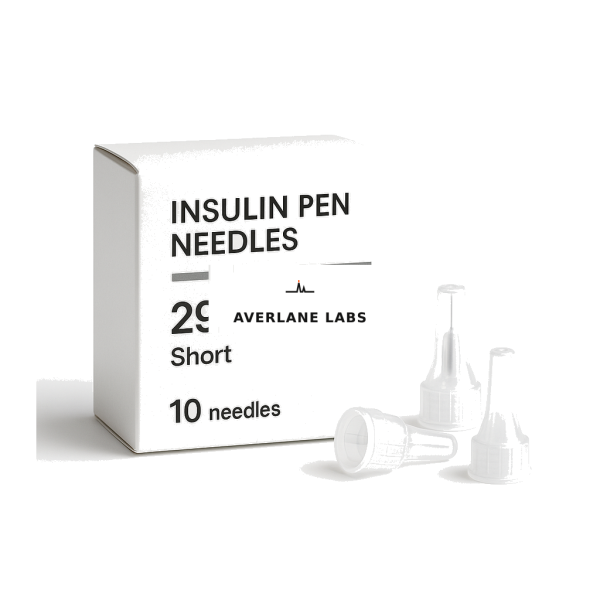
NOT FOR HUMAN CONSUMPTION
Peha-soft nitrile powder-free gloves are best viewed as single-use protective barrier gloves for medical and general hygienic use, not specialized chemical or heavy-duty protective equipment. Their main strength is reliable barrier protection combined with good skin tolerability, especially compared to latex gloves. The strongest use case is routine healthcare, laboratory, and hygiene workflows, where infection control, dexterity, and comfort are more important than extreme chemical or mechanical resistance.
2. Additional benefits / practical uses
| Benefit | Take-away |
|---|---|
| 1. Barrier protection | Core function. Protects against microorganisms and contaminants |
| 2. Latex-free safety | Reduces risk of latex allergy reactions |
| 3. Powder-free design | Minimizes skin irritation and contamination risk |
| 4. Good tactile sensitivity | Allows precise handling (e.g. medical or lab work) |
| 5. Chemical splash resistance | Suitable for mild chemical exposure (not heavy-duty use) |
| 6. High comfort for extended wear | Flexible material reduces hand fatigue |
| 7. Reduced contamination transfer | Essential in infection control workflows |
| 8. Not for high-risk industrial protection | Limited against strong chemicals or sharp hazards |
3. Mechanism of action (functional design)
3.1 Barrier “mechanics”
These gloves function via physical barrier protection, not active chemistry:
- Nitrile polymer layer → blocks microorganisms and fluids
- Elastic structure → conforms to hand shape for a close fit
- Powder-free inner surface → reduces residue and contamination
3.2 Downstream protection function
| Feature | Functional outcome | Context |
|---|---|---|
| Nitrile material | Prevents penetration of many pathogens and fluids | Healthcare / lab |
| Tight fit | Improves dexterity and reduces leakage points | Precision tasks |
| Powder-free finish | Lower contamination risk | Clinical environments |
| Textured fingertips (often) | Better grip in wet/dry conditions | Lab / medical use |
These mechanisms are well-established, but protection depends heavily on correct use and glove integrity.
4. “Performance characteristics” (practical equivalent of PK)
- Material: nitrile (synthetic rubber)
- Type: non-sterile (usually), powder-free
- Use: single-use disposable
- Thickness: moderate (balances protection and dexterity)
- Chemical resistance: good for mild exposure, limited for strong solvents
Performance depends on:
- glove thickness and quality
- proper sizing
- absence of tears or defects
5. Evidence / real-world performance
5.1 Strong, well-established aspects
- Widely used in:
- healthcare
- laboratories
- food handling
- Proven effectiveness for:
- infection control
- contamination prevention
- Nitrile is well established as a latex alternative with similar barrier performance
5.2 Limitations
- Can tear under high mechanical stress
- Not fully resistant to:
- strong solvents
- prolonged chemical exposure
- Barrier integrity depends on correct donning and removal technique
6. Safety and tolerability
Generally very well tolerated:
- No latex → reduced allergy risk
- Powder-free → lower irritation and airborne particles
Possible minor issues:
- sweating during long wear
- rare sensitivity to nitrile additives
7. Contraindications and cautions
Use extra caution with:
- High-risk chemical handling → requires specialized gloves
- Sharp instruments → risk of puncture
- Reusing disposable gloves → increases contamination risk
- Incorrect size → poor fit reduces protection
8. Comparative practical matrix
| Feature | Peha-soft nitrile gloves |
|---|---|
| Main strength | Reliable barrier protection |
| Best-supported use case | Healthcare, lab, hygiene |
| Dexterity | High |
| Chemical resistance | Moderate |
| Allergy risk | Low |
| Core limitation | Not for heavy-duty or extreme conditions |
| Best framing | Standard medical disposable glove |
9. Regulatory landscape
These gloves are typically:
- Classified as medical devices (Class I) in many regions
- Compliant with standards such as:
- EN 455 (medical gloves)
- EN 374 (chemical/microorganism protection, depending on model)
They are regulated as protective consumables, not therapeutic products.
10. Future directions
Improvements focus on:
- Increased puncture resistance without losing sensitivity
- Better biodegradable materials
- Enhanced chemical resistance
- Improved comfort for long wear
Best balanced summary
Peha-soft nitrile powder-free gloves (150 pcs) are a reliable, widely used disposable protective solution for healthcare, laboratory, and hygiene applications. They provide effective barrier protection with good comfort and low allergy risk, making them a strong alternative to latex gloves. Their performance is well established for routine use, but they are not designed for high-risk chemical exposure or heavy mechanical stress, and their effectiveness depends on proper sizing, use, and disposal.
Researcher reviews
No reviews yet for this lot line. Verified purchasers can leave the first one.
Reviews
There are no reviews yet.