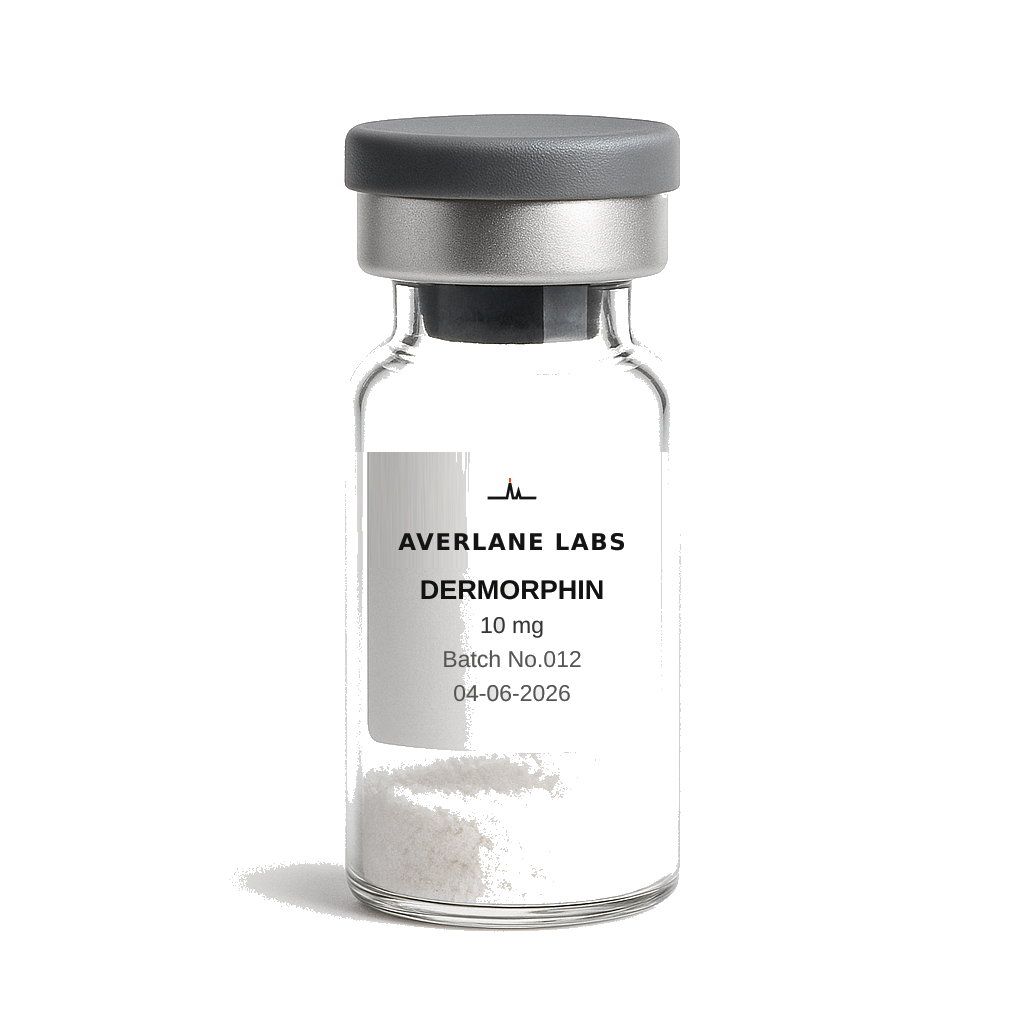
Dermorphin 10mg vial
Certificate of analysis
Lot AL-DERMOR-2623 · Purity 99.70% · Tested 2026-07-14
Complete the setup
Reconstitution and bench supplies researchers pair with Dermorphin 10mg vial
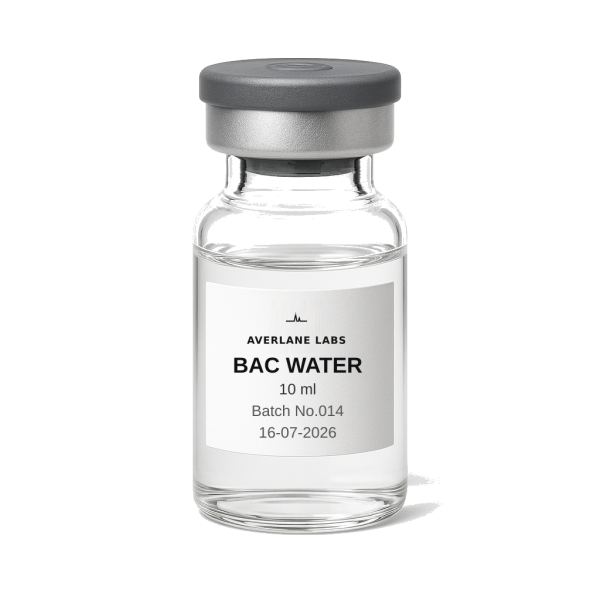
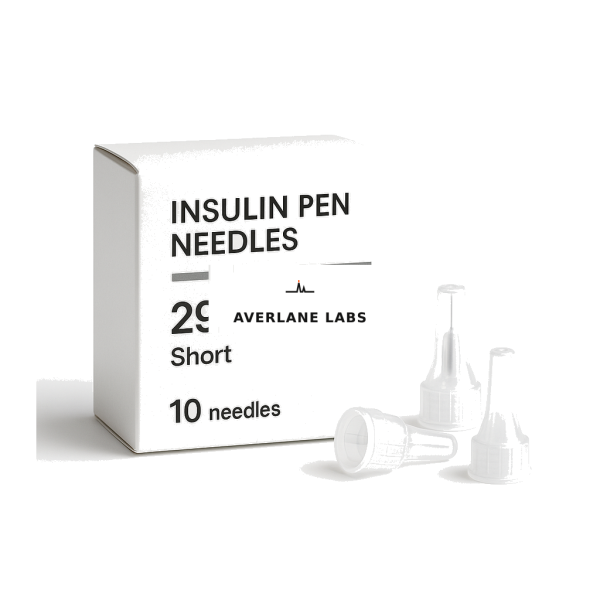
NOT FOR HUMAN CONSUMPTION
Dermorphin is best viewed as a naturally occurring frog-derived opioid peptide and highly potent μ-opioid receptor agonist, not a supplement or practical consumer peptide. Its main significance is analgesic pharmacology: it has shown very strong pain-relieving activity in animal studies and some older clinical work, especially by intrathecal/spinal administration, but it has not become an approved mainstream analgesic. The strongest modern framing is potent experimental opioid lead compound, not established therapy.
Additional benefits / roles under investigation
| Benefit / role | Take-away |
|---|---|
| 1. Analgesia | This is the core use case. Dermorphin is one of the most potent known peptide μ-opioid agonists and has long been studied for pain control. |
| 2. Intrathecal postoperative pain interest | Older human studies suggested strong spinal analgesia, in some settings greater than morphine, but this did not lead to broad modern clinical adoption. |
| 3. Lead for opioid-peptide drug design | A major practical value of dermorphin is as a template for designing newer opioid peptides and analogs. |
| 4. Possible lower tolerance/dependence signals in some animal work | Older reviews suggested dermorphin-family peptides may produce less tolerance, dependence, and some side effects than morphine in certain models, but this is not settled clinical proof. |
| 5. Receptor selectivity advantage | Dermorphin is notable for strong μ-receptor selectivity, which helped make it pharmacologically important. |
| 6. Useful research tool | It is widely used as a reference ligand in opioid pharmacology and receptor-function studies. |
| 7. Not a proven safer consumer opioid | Marketing or informal peptide discussion can overstate it; dermorphin is still fundamentally a potent opioid peptide with meaningful risk concerns. |
| 8. Not an approved mainstream analgesic | Despite potency and historical clinical interest, it is not a standard approved pain medicine. |
2. Molecular mechanism of action
2.1 Receptor pharmacodynamics
Dermorphin is a selective μ-opioid receptor (MOR) agonist. That is the main reason it is so potent as an analgesic. It binds MOR with very high affinity and has much less relevance at other opioid receptors compared with less selective opioids. Its unusual structure, including a D-amino acid residue, is part of what makes it pharmacologically distinctive.
2.2 Downstream biology
| Pathway / theme | Functional outcome | Context |
|---|---|---|
| μ-opioid receptor agonism | Strong analgesia / antinociception | Pain pharmacology |
| Gi/o-coupled opioid signaling | Reduced cAMP, neuronal inhibition | Opioid receptor signaling |
| Central/spinal opioid effects | Powerful pain suppression, sedation-type risks | CNS analgesia |
| Lead-optimization scaffold | Template for analog development | Medicinal chemistry |
These mechanisms make dermorphin a credible analgesic peptide, but they do not make it a proven superior modern opioid for routine use.
3. Pharmacokinetics
Dermorphin is a peptide, so delivery is a major limitation. Historically, much of the clinical interest focused on intrathecal/spinal administration, where peptide-delivery barriers are less problematic and analgesic potency can be pronounced. More broadly, peptide bioavailability and CNS delivery challenges are a big reason dermorphin became more important as a research scaffold than as a standard drug product.
4. Pre-clinical and clinical evidence
4.1 Analgesia
This is the best-supported niche. Older reviews describe dermorphin-family peptides as more potent than morphine in many animal antinociceptive models, and medicinal-chemistry work has repeatedly used dermorphin as a benchmark because of its strong μ-opioid activity.
4.2 Human analgesic evidence
There is some older human evidence, particularly in postoperative pain with intrathecal dermorphin, and one review of this “forgotten drug” argues the analgesic signal was striking. But this is old and limited clinical literature, not the same as modern regulatory-grade evidence supporting routine use.
4.3 Safety and translation limitations
Even if dermorphin may have shown favorable potency and possibly some side-effect advantages in certain studies, it remains an opioid agonist with central opioid liabilities. The lack of modern clinical development and approval matters more practically than the older promise.
4.4 Analog development
A large part of dermorphin’s legacy is the development of dermorphin-derived analogs such as [Dmt1]DALDA and related tetrapeptides that aim to keep analgesic potency while improving selectivity, delivery, or peripheral targeting.
5. Emerging clinical interests
| Field | Rationale | Status |
|---|---|---|
| Severe pain / spinal analgesia | Very potent MOR agonism | Historical interest, not established modern use |
| Opioid-peptide drug design | Strong scaffold for analogs | Active medicinal-chemistry relevance |
| Peripheral opioid targeting via analogs | Try to reduce central side effects | Mostly analog-development work, not dermorphin itself |
| Broad “safer opioid” claims | Theoretical appeal | Unproven clinically |
6. Safety and tolerability
There is no modern, robust safety database supporting dermorphin as a routine human medicine. Because it is a potent μ-opioid agonist, the relevant risks are fundamentally opioid-like: respiratory depression, sedation, dependence-related concerns, and route-specific complications, especially with neuraxial use. The older literature is interesting, but it does not establish dermorphin as clearly safe or safer for general use.
7. Contraindications and cautions
Use extra caution with:
- any claim that dermorphin is a proven safer opioid, because that is not established clinically.
- any self-experimentation framing, because this is a potent opioid peptide, not a wellness compound.
- assuming old intrathecal studies equal current medical acceptance, because they did not lead to mainstream approval.
- replacing standard pain management with gray-market peptide use, because efficacy, formulation quality, and safety are not established that way.
8. Comparative practical matrix
| Feature | Dermorphin |
|---|---|
| Main strength | Extremely potent μ-opioid peptide agonist |
| Best-supported use case | Experimental / historical analgesia |
| Clinical evidence depth | Limited and older |
| Core limitation | Peptide delivery + lack of modern approval/development |
| Main mechanism | Selective MOR agonism |
| Main safety concern | Classic opioid risks |
| Best practical framing | Research / lead compound, not a routine therapy |
9. Regulatory landscape
Dermorphin is best understood as a research and historical clinical-interest peptide, not an approved mainstream analgesic. Its main modern relevance is scientific and medicinal-chemistry oriented, rather than as a standard prescribed pain medicine.
10. Future directions
The most useful future work is more likely to involve:
- improved dermorphin-derived analogs rather than dermorphin itself,
- better separation of central vs peripheral opioid effects,
- and designs that preserve potency while reducing opioid liabilities.
Best balanced summary
Dermorphin is a frog-derived, highly potent and selective μ-opioid peptide with strong preclinical analgesic credibility and some older human spinal-analgesia data. Its main importance today is as an opioid-pharmacology tool and medicinal-chemistry lead, not as a proven modern therapeutic. The evidence is enough to take it seriously as a potent opioid peptide, but not enough to frame it as an approved, broadly usable, or clearly safer analgesic.
Selected references
- Melchiorri P, Negri L. The dermorphin peptide family. Classic review on dermorphin pharmacology and analgesic profile.
- Schiller PW. Opioid peptide-derived analgesics. Good review placing dermorphin in the broader opioid-peptide development landscape.
- Hesselink JMK, Kopsky DJ. Rediscovery of old drugs: the forgotten case of dermorphin for postoperative pain and palliation. Best source for the historical human analgesia discussion.
- Hochrainer N, et al. 2024 review/article discussing dermorphin as a selective MOR agonist and lead for analog development, including early clinical-study context.
- Bryant SD, et al. Dmt and opioid peptides: a potent alliance. Useful medicinal-chemistry background for dermorphin-derived analog design.
Researcher reviews
No reviews yet for this lot line. Verified purchasers can leave the first one.
Reviews
There are no reviews yet.