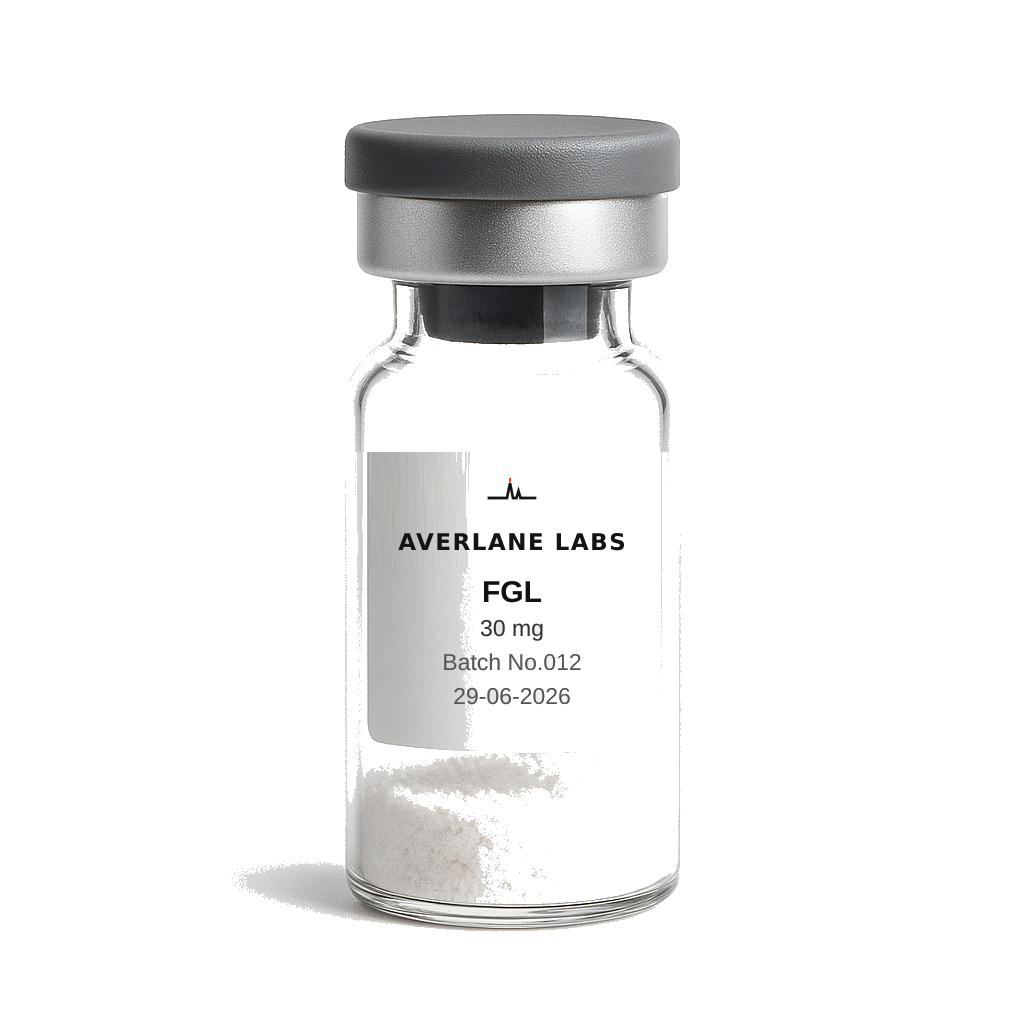
FGL 30mg vial
Certificate of Analysis available on request for the current lot.
Complete the setup
Reconstitution and bench supplies researchers pair with FGL 30mg vial
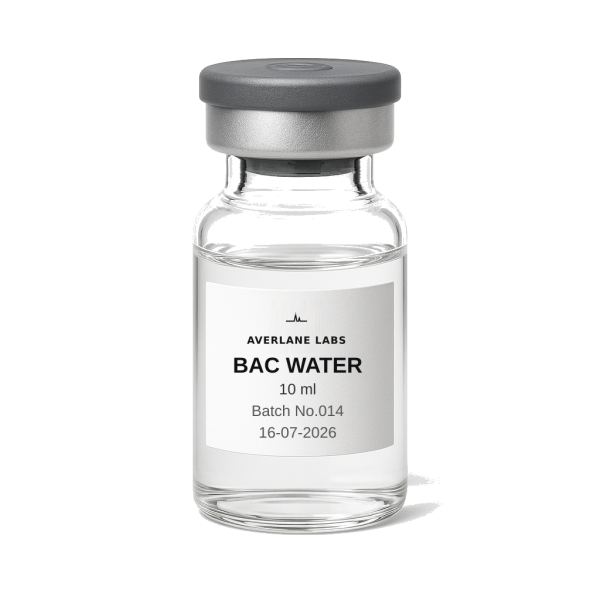
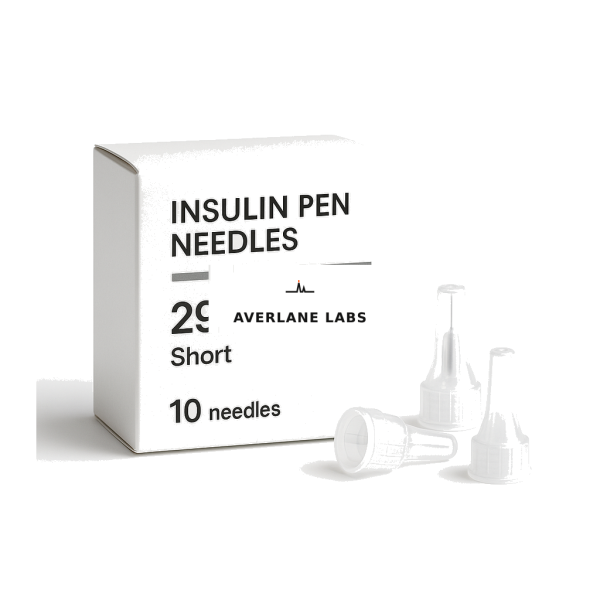
NOT FOR HUMAN CONSUMPTION
FGL (FG loop peptide; sometimes written FGLL in clinical-development materials) is best viewed as an investigational NCAM-derived neurotrophic peptide, not a proven therapeutic or consumer “brain peptide.” It is a 15-amino-acid mimetic derived from the FG loop of the second fibronectin type III domain of neural cell adhesion molecule (NCAM) and is designed to mimic the NCAM interaction with fibroblast growth factor receptor 1 (FGFR1). The strongest case for FGL is preclinical neurobiology: it has shown memory-enhancing, neurotrophic, neuroprotective, stem-cell–mobilizing, and anti-inflammatory effects in animal and cell studies. Human evidence is very limited; the clearest human data are an early phase I intranasal tolerability / PK study, not efficacy trials.
Additional benefits of FGL under investigation
| Benefit | Take-away |
|---|---|
| 1. Cognitive / memory enhancement | This is one of the main reasons FGL became interesting. Rodent studies reported improved learning or memory-related outcomes, but this remains preclinical rather than established human cognitive therapy. |
| 2. Neurotrophic / neurite outgrowth effects | FGL has been reported to promote neurite outgrowth and neuronal survival in vitro through NCAM-FGFR-related signaling. |
| 3. Neuroprotection | Animal and cell studies suggest neuroprotective effects in injury and degeneration models, but this is still investigational. |
| 4. Anti-inflammatory / microglial effects | This is a meaningful secondary theme. FGL has been reported to reduce inflammatory cytokine-related changes and microglial activation in aging models. |
| 5. Neural stem-cell mobilization / regeneration interest | Preclinical work suggests FGL can mobilize endogenous neural stem cells and support regenerative responses after CNS injury models such as stroke. |
| 6. Oligodendroglial / repair-related effects | Some preclinical studies suggest support for oligodendroglial differentiation and repair-associated biology. |
| 7. Schizophrenia-relevant cognitive models | In a neonatal PCP rat model, chronic FGL improved working-memory-type deficits, which helped drive interest in neuropsychiatric applications. |
| 8. Not a proven clinical nootropic | Marketing or peptide-for-sale descriptions tend to outrun the evidence. The evidence base remains mostly preclinical, with limited early human safety data only. |
2. Molecular mechanism of action
2.1 Receptor pharmacodynamics
FGL does not act like a classic small-molecule nootropic. It is an NCAM mimetic peptide designed to reproduce part of the NCAM interaction with FGFR1. In the literature, FGL is described as an FGFR agonist / activator in the NCAM context, promoting downstream signaling involved in neurite outgrowth, survival, and synaptic plasticity. That target logic is the core of its neurotrophic reputation.
2.2 Downstream biology
| Pathway / theme | Functional outcome | Context |
|---|---|---|
| NCAM–FGFR1 mimetic signaling | Neurite outgrowth, neuronal survival, plasticity | Neurotrophic / synaptic biology |
| PKC / synaptic signaling | Memory-related synaptic facilitation | Cognitive-enhancement models |
| Microglial / inflammatory modulation | Reduced neuroinflammatory activation in some models | Aging / neuroinflammation |
| Stem-cell mobilization / repair signaling | Regenerative and post-injury relevance | Stroke / regenerative CNS models |
These mechanisms are biologically interesting and internally coherent, but they still do not amount to strong proof of clinical efficacy in humans.
3. Pharmacokinetics
Routes studied: mainly experimental systemic dosing in animals and intranasal administration in the phase I human study. The key practical point is that FGL is a peptide, so delivery and stability matter. Early clinical work tested single intranasal doses of 25, 100, and 200 mg in healthy volunteers and found a generally dose-related PK profile with acceptable tolerability, which is why intranasal delivery became a notable development route. But that is still early-stage clinical pharmacology, not proof of efficacy.
4. Pre-clinical and clinical evidence
4.1 Cognition / memory
This is the best-known preclinical niche. Early rodent work found that FGL increased memory strength and enhanced presynaptic function, and later studies reported benefits in model systems with cognitive impairment. That is enough to explain FGL’s reputation as a cognition-oriented peptide, but it remains an animal-literature story more than a human one.
4.2 Neuroprotection / aging-related neuroinflammation
FGL has also shown anti-inflammatory and neuroprotective effects in aging and degeneration-related models. Studies reported reduced microglial activation and changes in inflammatory markers, which suggests a broader CNS-repair rationale beyond cognition alone. Still, this is preclinical evidence.
4.3 Regenerative / stem-cell effects
Another notable line of research is that FGL may mobilize endogenous neural stem cells and support regenerative capacity after stroke-related injury. This is one of the more interesting mechanistic angles, but again it remains experimental and not an established clinical therapy.
4.4 Human evidence
Human evidence is very limited. The clearest published human study is the 2007 phase I trial of intranasal FGLL in healthy male volunteers, which found the peptide well tolerated with no major safety concerns in that small short-term setting and a roughly dose-related PK profile. The abstract noted that further studies were planned, but this should not be mistaken for proven efficacy in Alzheimer’s disease or any other indication.
5. Emerging clinical interests
| Field | Rationale | Status |
|---|---|---|
| Cognitive impairment / memory disorders | Strongest historic interest | Preclinical-heavy; human efficacy unproven |
| Neuroinflammation / aging brain | Anti-inflammatory microglial findings | Exploratory |
| Stroke / neural regeneration | Stem-cell mobilization and repair biology | Preclinical / translational |
| Schizophrenia-related cognition | Benefit in PCP-based animal model | Exploratory preclinical |
| Alzheimer’s disease | Development interest signaled by early trial context | No established clinical benefit shown in the sources reviewed |
6. Safety and tolerability
The main direct human safety data come from the small phase I intranasal study, where FGL(L) was reported as well tolerated with no major safety concerns in healthy male volunteers after single ascending doses. That is encouraging, but it is still short-term, early-stage, and limited. It does not establish long-term safety, repeated-dose safety, or efficacy. Beyond that, most of the literature is animal or mechanistic.
7. Contraindications and cautions
Use extra caution with:
- Any claim that FGL is a proven nootropic or neuroregenerative therapy, because the evidence base is predominantly preclinical.
- Self-experimentation or peptide-market products, because the formal human literature is sparse and not equivalent to approved-drug evidence.
- Assuming animal cognition results translate directly to humans, because that leap has not been demonstrated here.
- Replacing established neurologic or psychiatric care, because FGL remains investigational rather than validated treatment.
8. Comparative practical matrix
| Feature | FGL |
|---|---|
| Main strength | Investigational neurotrophic / cognitive-enhancement peptide |
| Best-supported use case | Preclinical cognition, neuroprotection, and CNS repair biology |
| Clinical evidence depth | Very limited human data |
| Core limitation | Mostly animal and mechanistic evidence |
| Main mechanism | NCAM mimetic that activates FGFR-related signaling |
| Short-term tolerability | Early intranasal phase I tolerability looked acceptable |
| Main safety concern | Sparse human data and lack of established efficacy |
| Best practical framing | Research peptide, not a proven therapeutic or consumer nootropic |
9. Regulatory landscape
FGL is best understood as an investigational research / development peptide, not an approved mainstream drug or validated supplement. The literature supports serious biologic interest, but not a recognized clinical role. The existence of a phase I intranasal study shows translational interest, yet the absence of established later-stage efficacy evidence is just as important.
10. Future directions
The most useful future work would be:
- larger human efficacy trials in clearly defined neurologic indications,
- better dose / schedule / route optimization for peptide delivery,
- clearer separation of cognitive vs anti-inflammatory vs regenerative effects,
- and more modern translational work testing whether the promising FGFR-related biology translates into meaningful clinical outcomes.
Best balanced summary
FGL is best viewed as an NCAM-derived investigational neurotrophic peptide with promising preclinical effects on cognition, neuronal survival, neuroinflammation, and regenerative CNS biology. Its mechanism, centered on mimicking NCAM interaction with FGFR1, is biologically credible and has produced substantial animal data. But human evidence remains limited to early safety / PK work, so FGL should not be framed as a proven nootropic, neuroregenerative therapy, or consumer peptide product.
Selected references
- Kiselyov / NCAM-FGL literature summarized in Pharmacology of Cell Adhesion Molecules of the Nervous System, foundational background on NCAM-derived mimetic peptides and FGFR signaling.
- Cambon K, et al. A Synthetic Neural Cell Adhesion Molecule Mimetic Peptide Enhances Function of the Glutamatergic Synapse and Improves Learning and Memory in Rats. Strong classic source for the memory-enhancement reputation of FGL.
- Anand R, et al. Tolerability, safety and pharmacokinetics of the FGLL peptide following intranasal administration in healthy volunteers. Best direct human source for safety / PK framing.
- Downer EJ, et al. A novel anti-inflammatory role of NCAM-derived mimetic peptide, FGL. Best source for the anti-inflammatory / microglial angle.
- Klein R, et al. The synthetic NCAM mimetic peptide FGL mobilizes neural stem cells and related stroke-regeneration work. Best source for the regenerative / stem-cell angle.
Researcher reviews
No reviews yet for this lot line. Verified purchasers can leave the first one.
Reviews
There are no reviews yet.