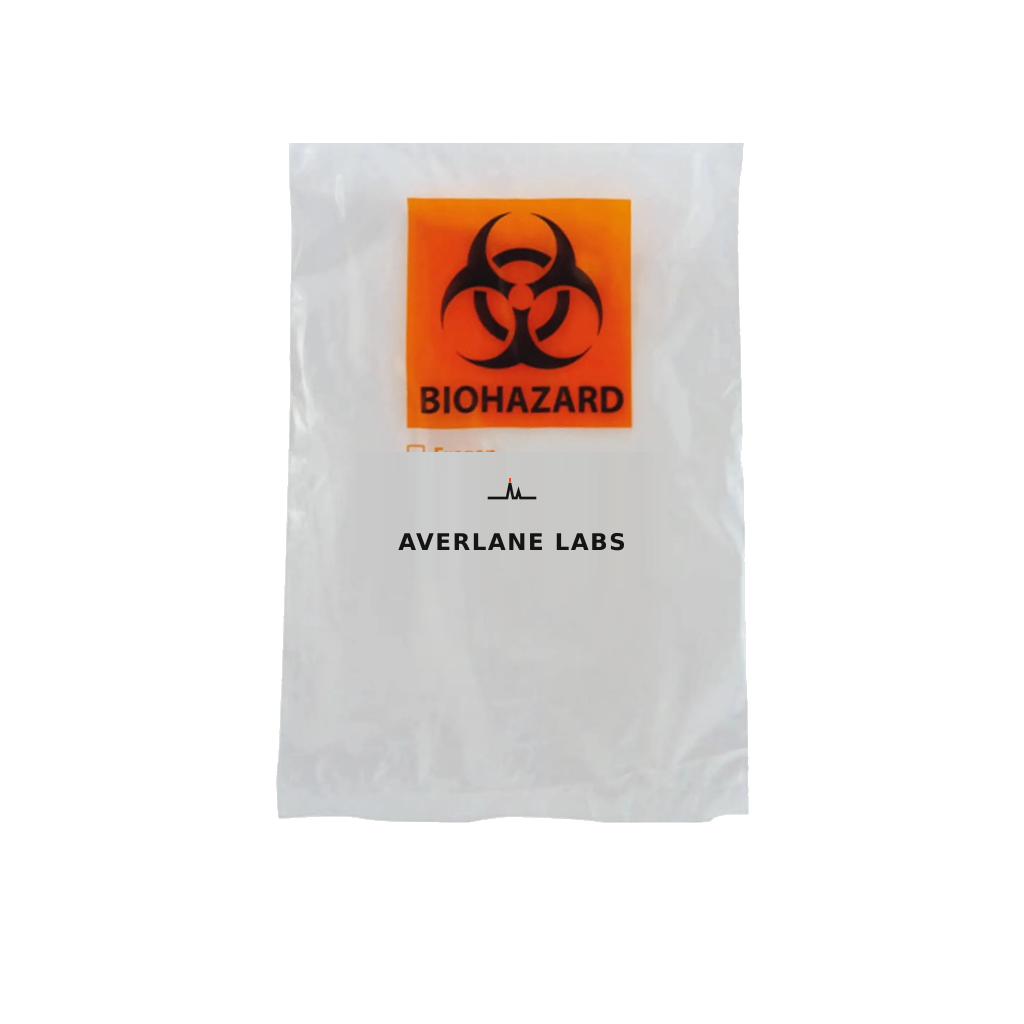
Double sample transport bags (160×200 mm) 10pc
Certificate of Analysis available on request for the current lot.
Complete the setup
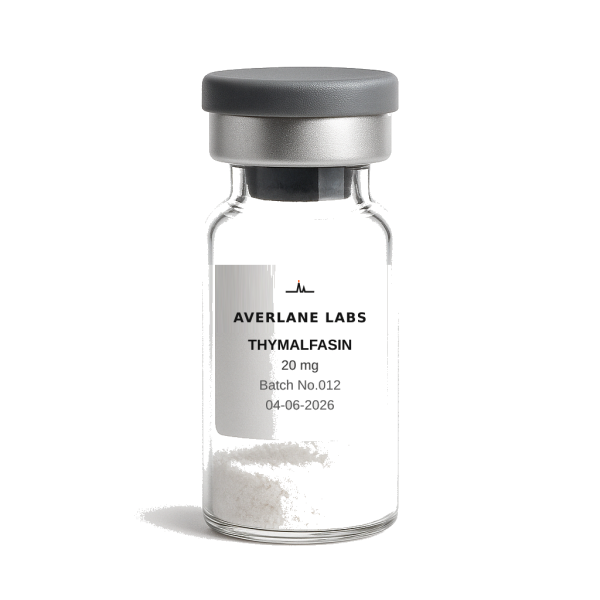
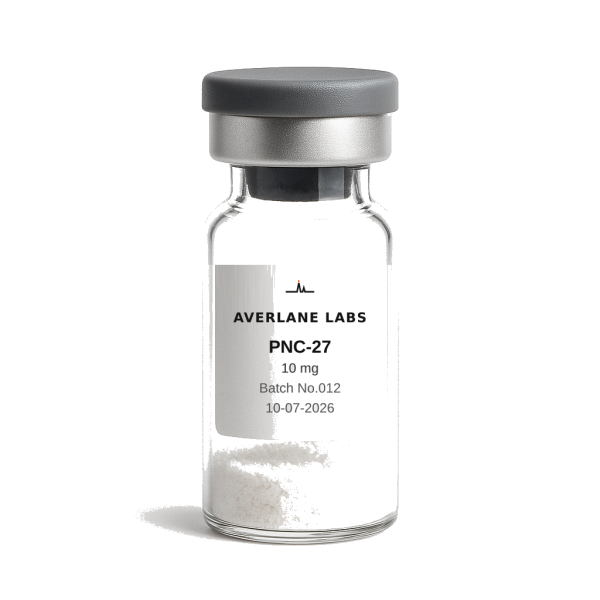
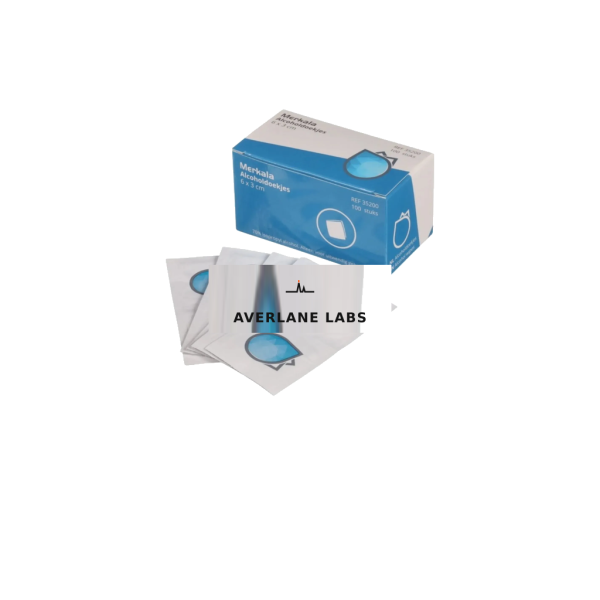
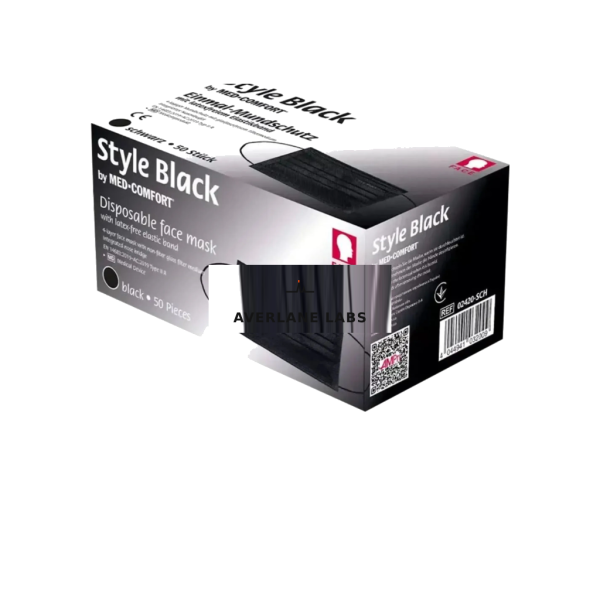
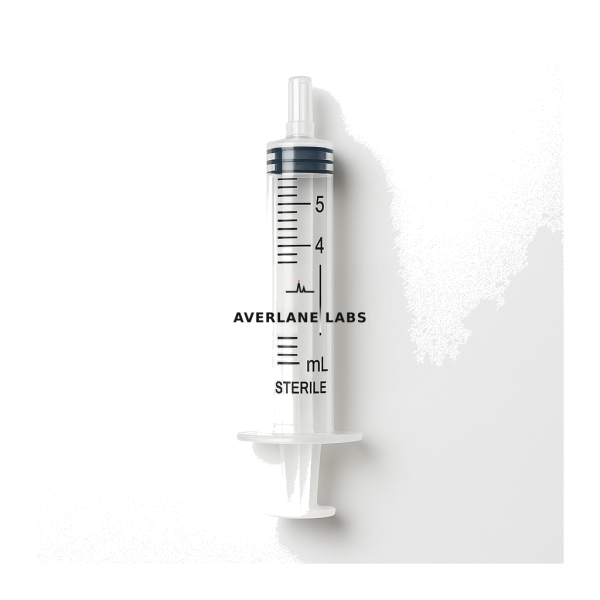
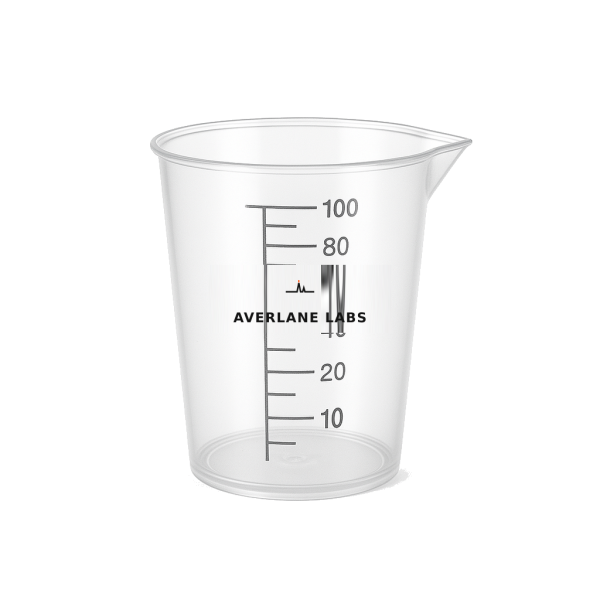
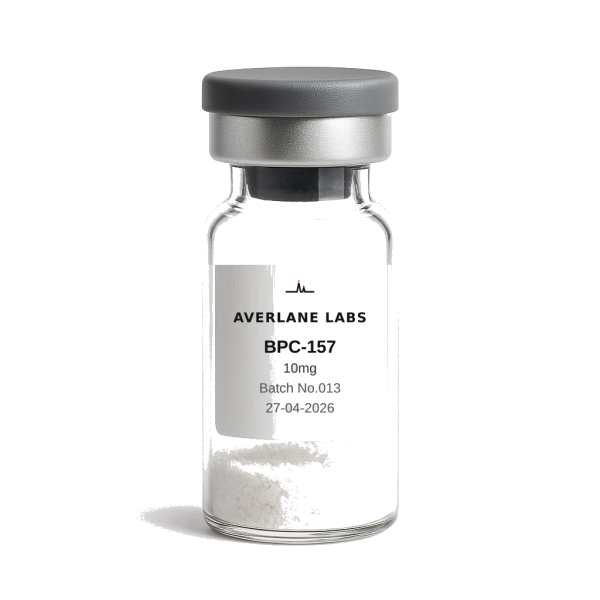
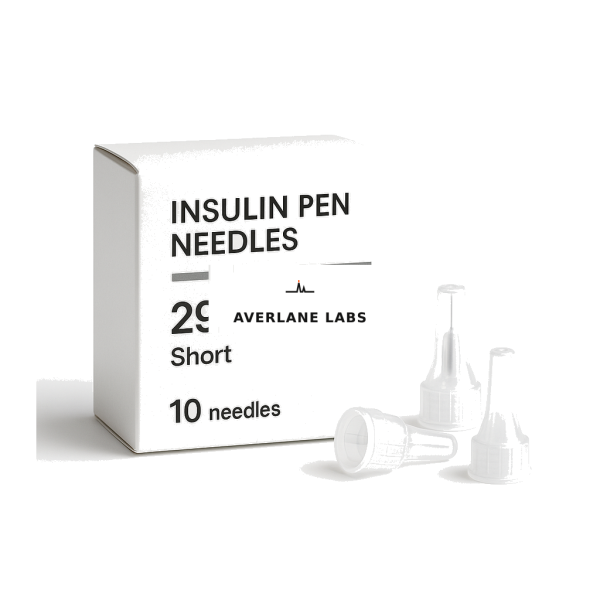
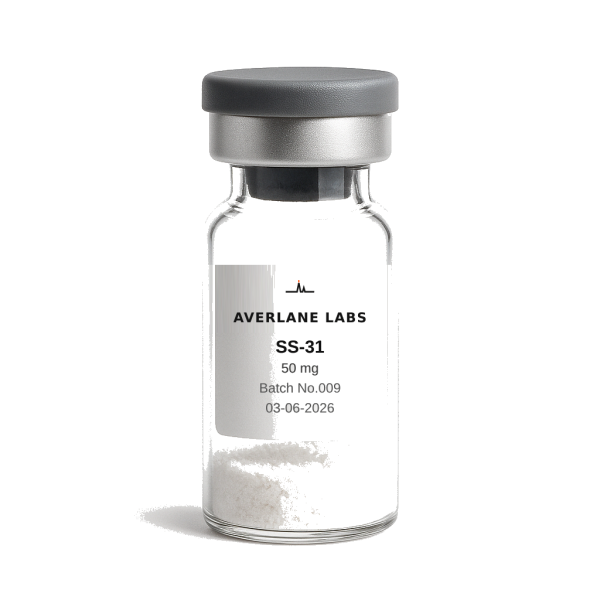
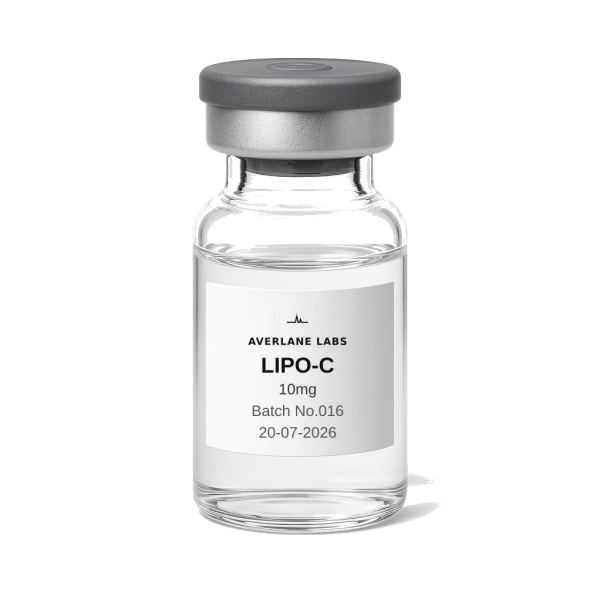
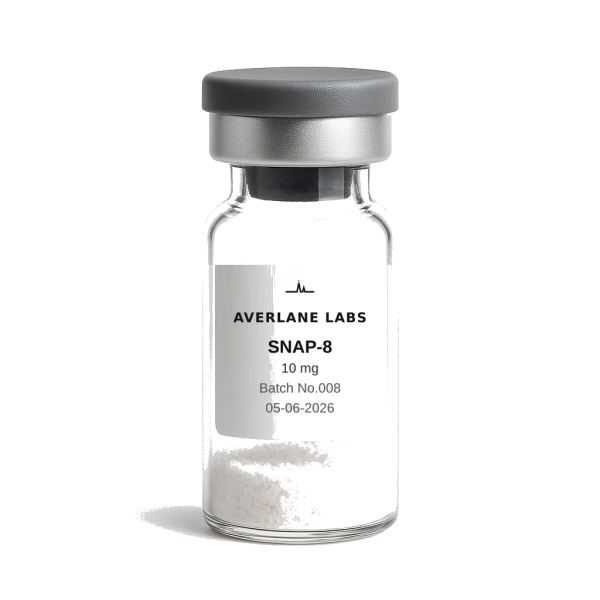
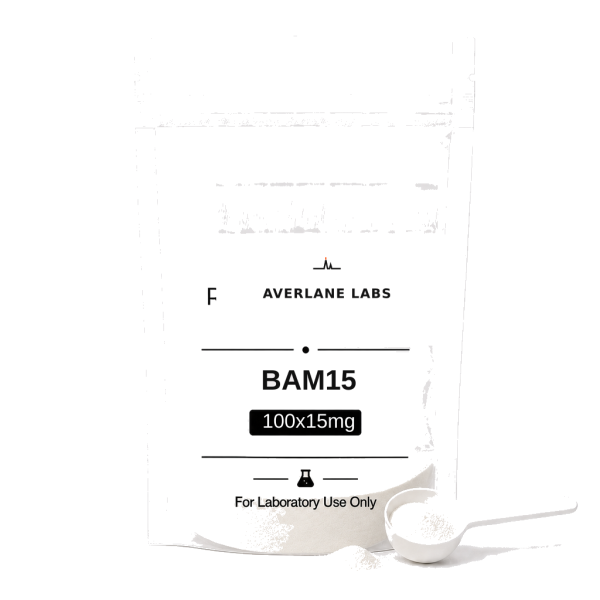
Reconstitution and bench supplies researchers pair with Double sample transport bags (160×200 mm) 10pc

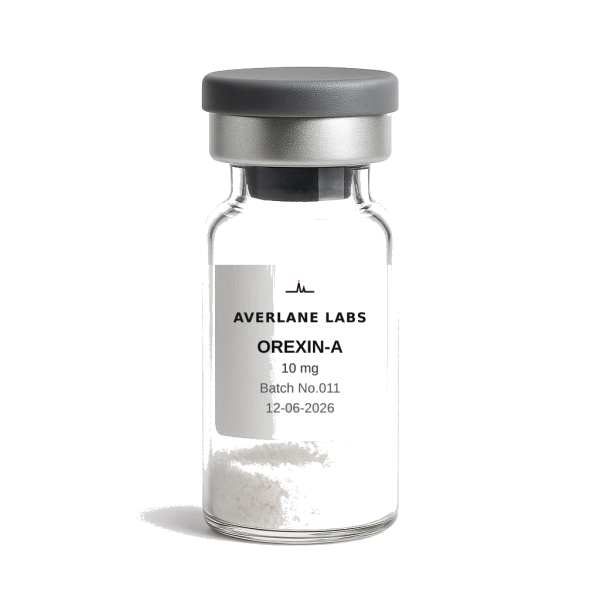
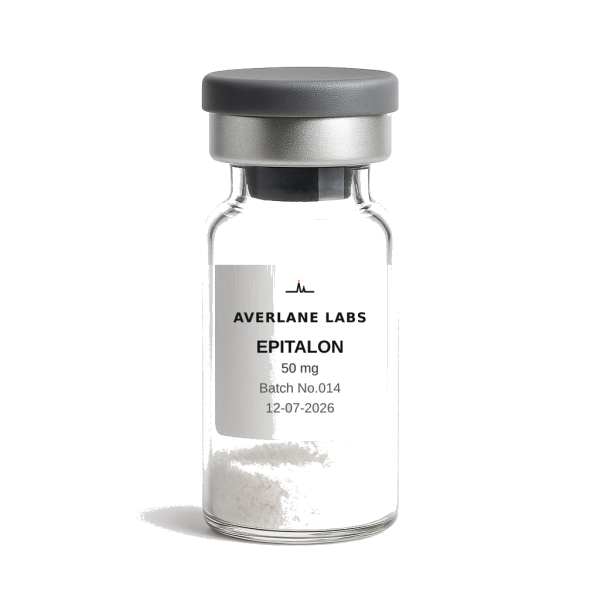
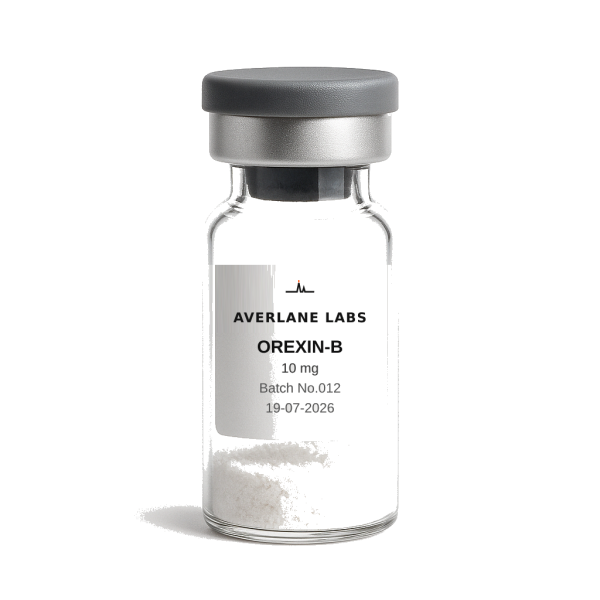
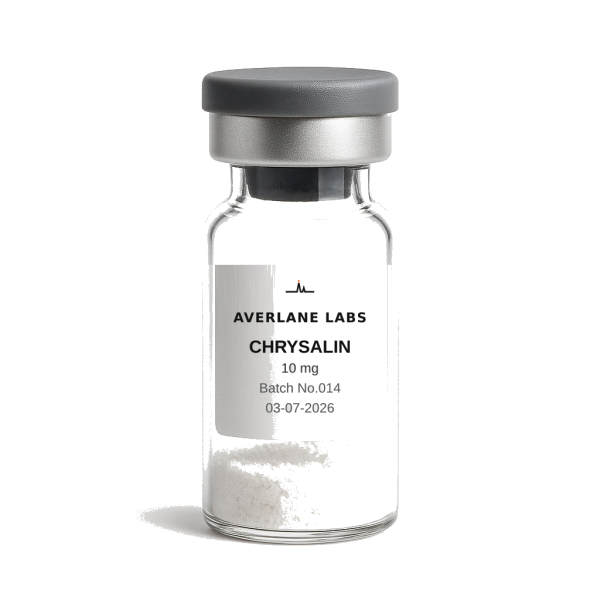




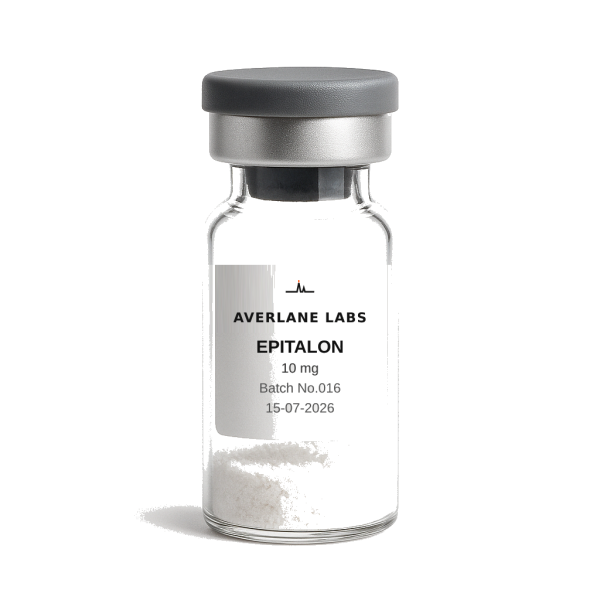
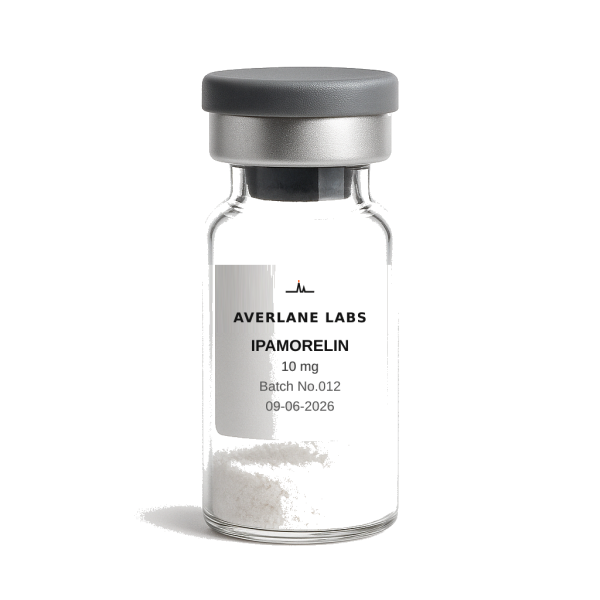
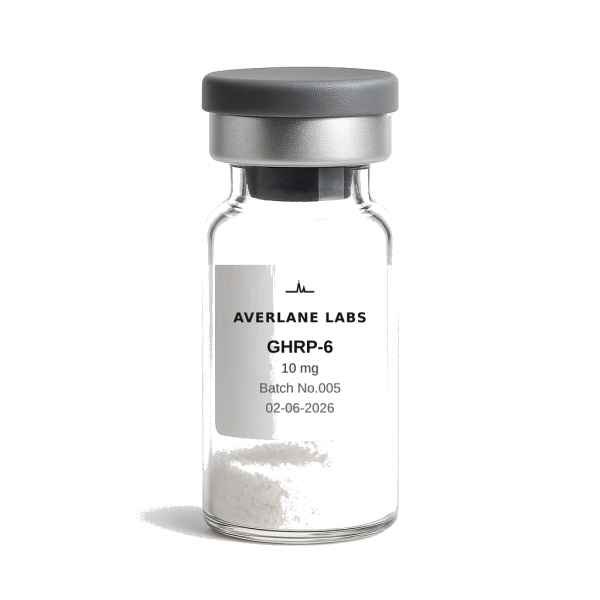
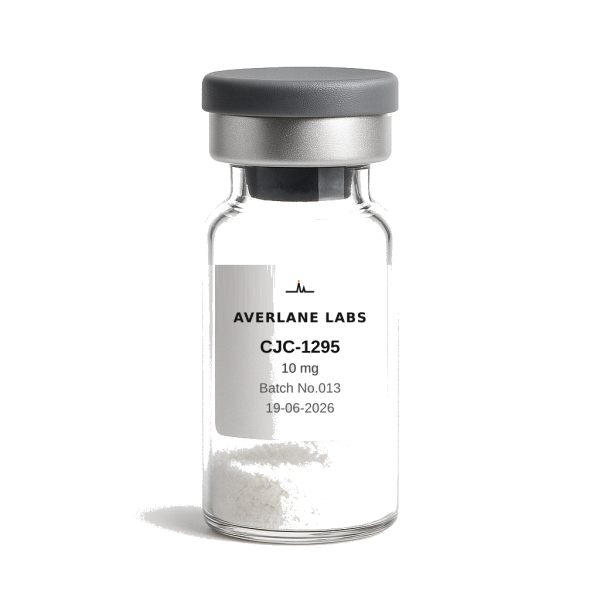

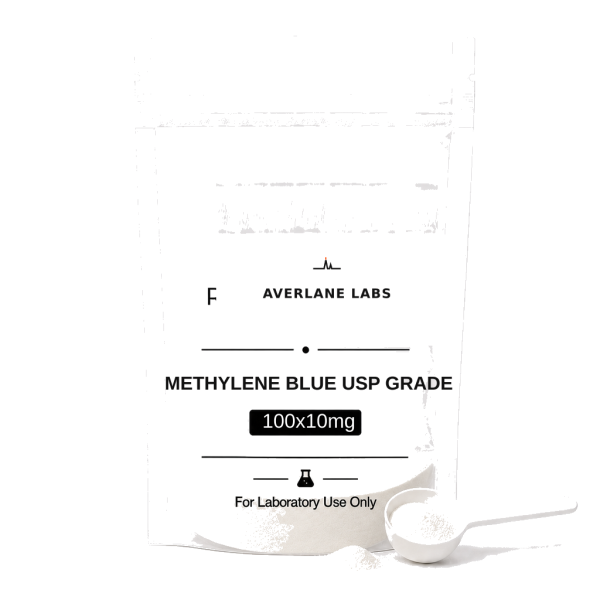
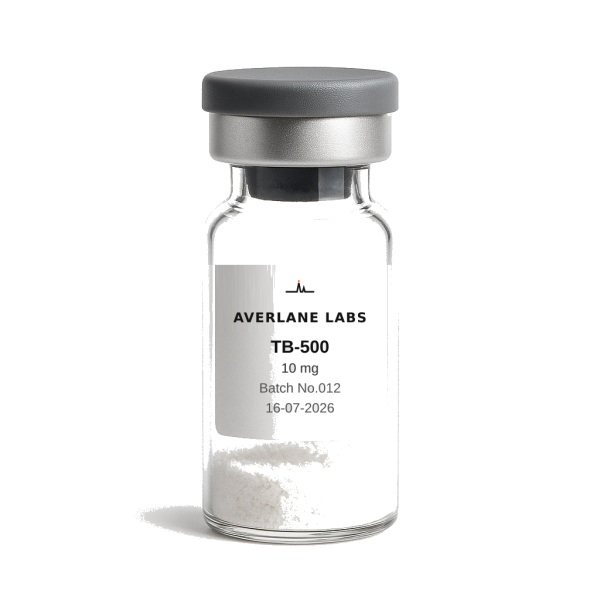
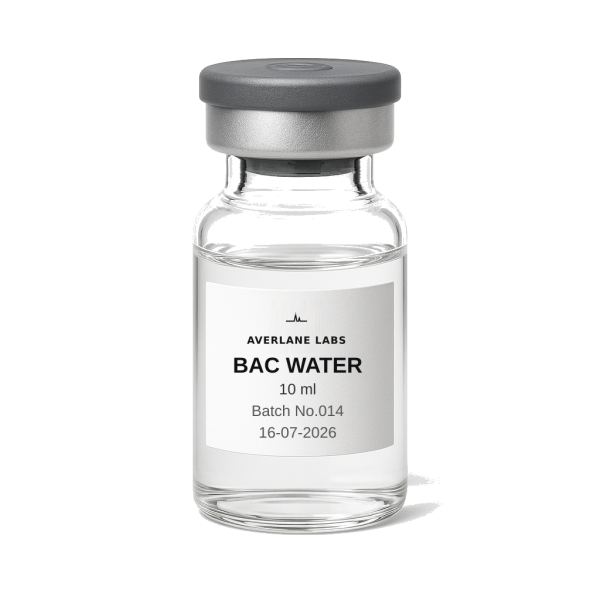
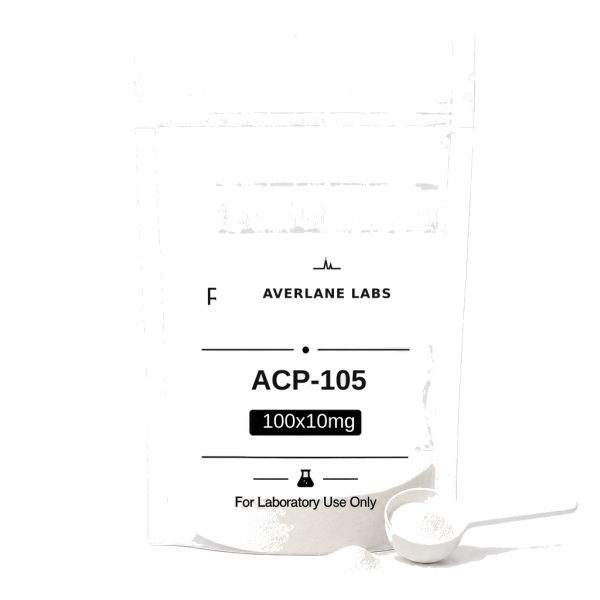

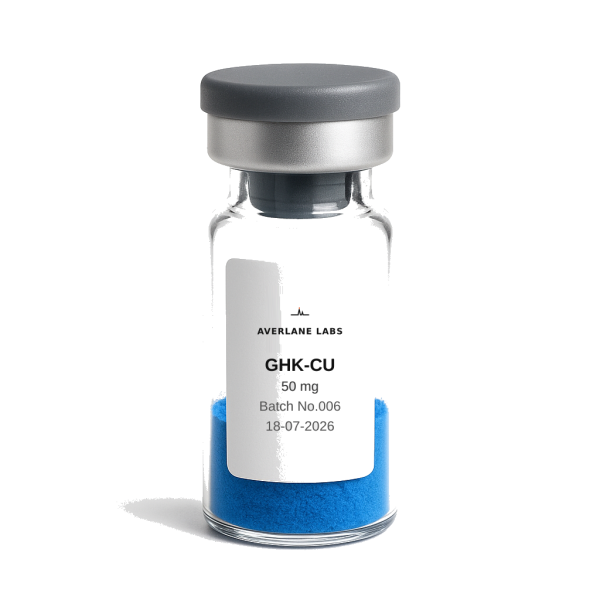
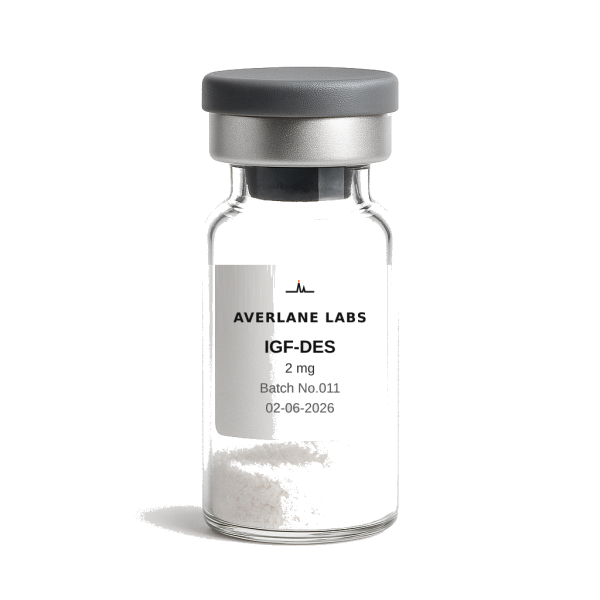
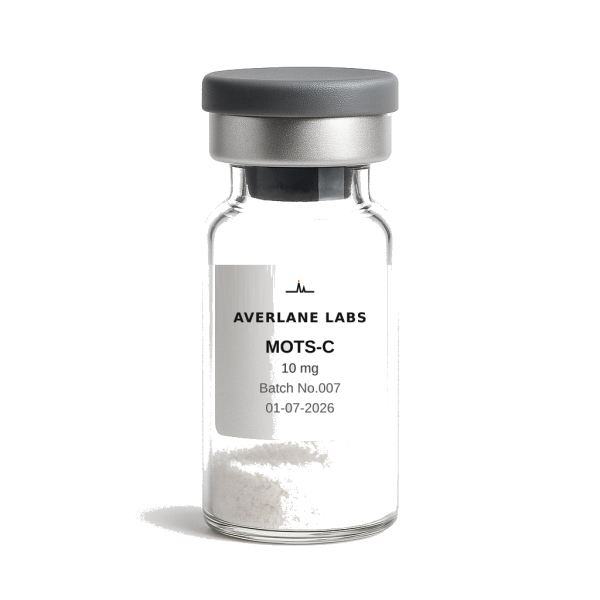
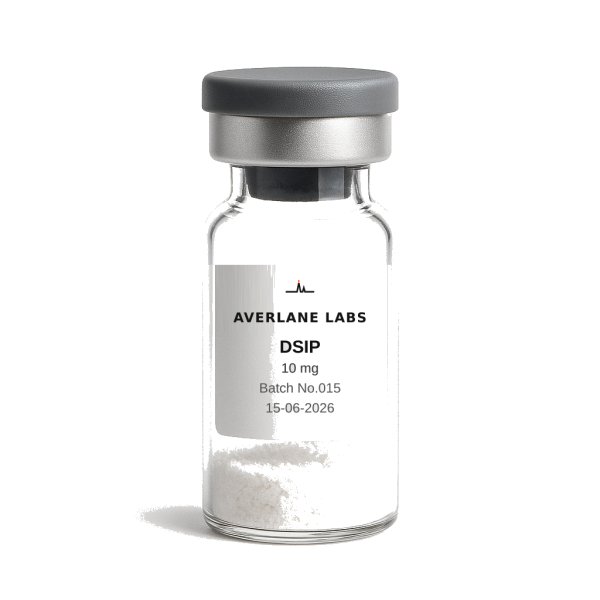
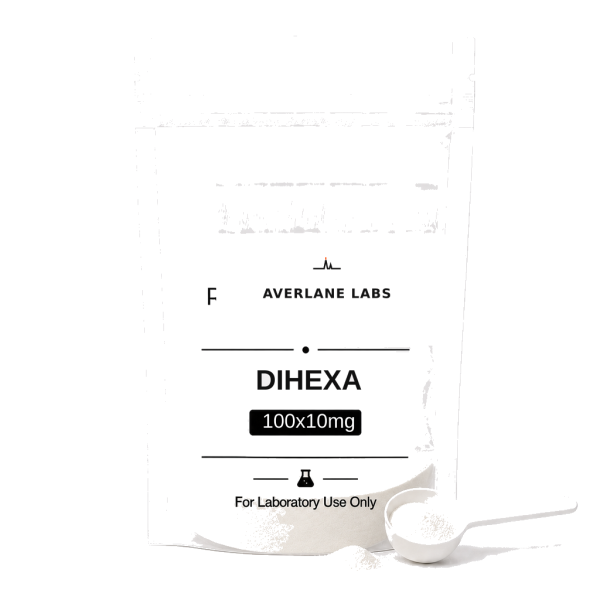
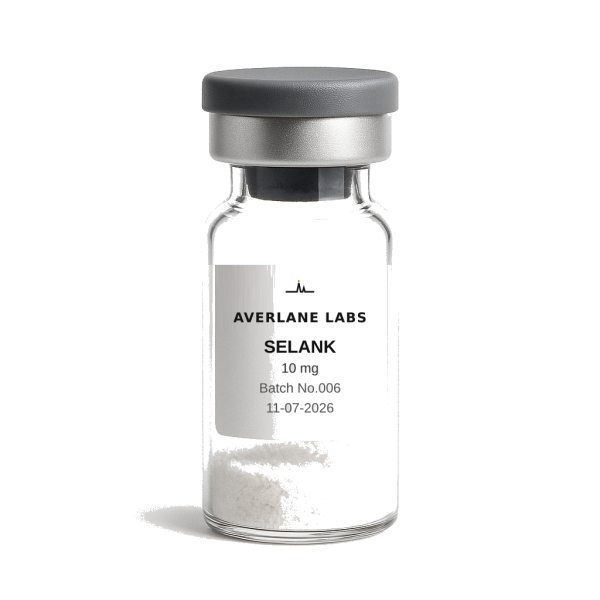
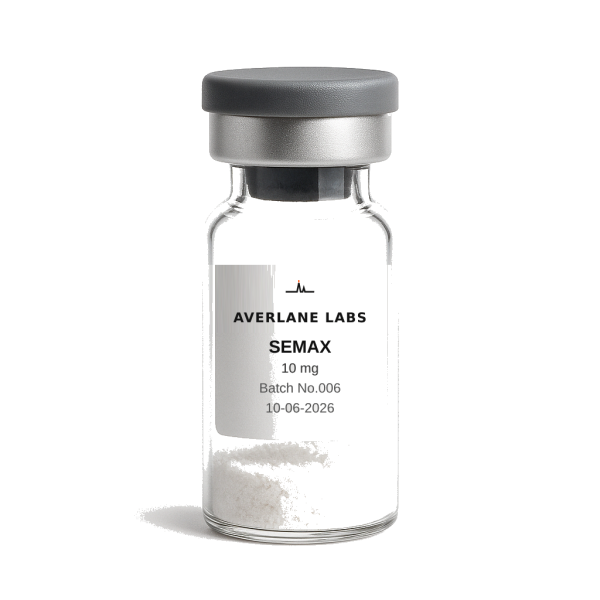
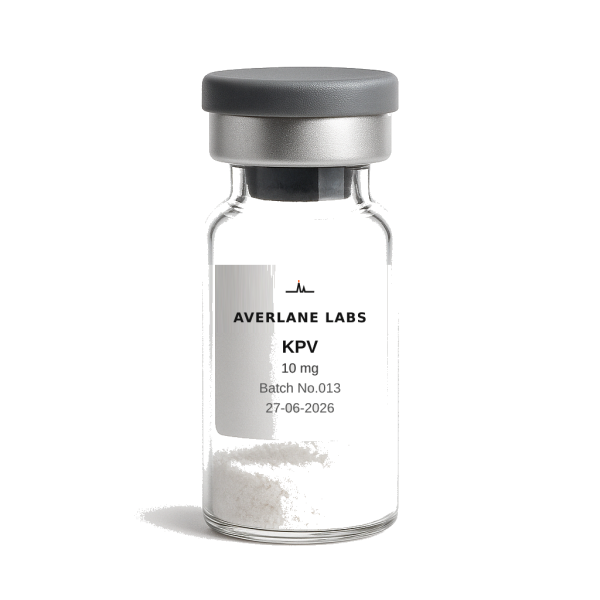
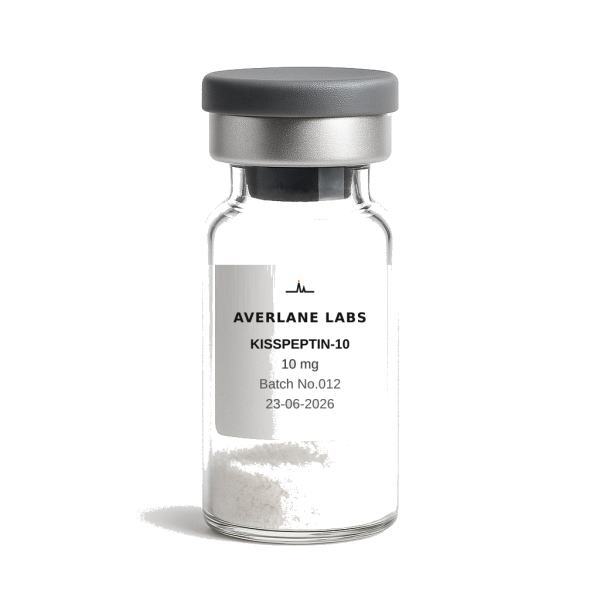
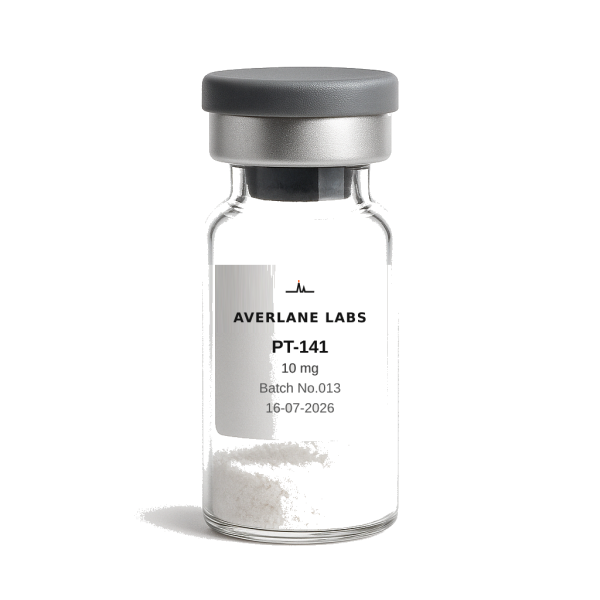
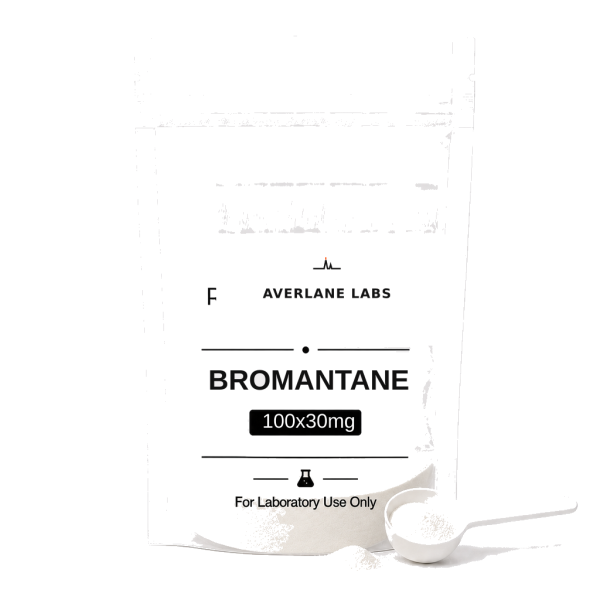
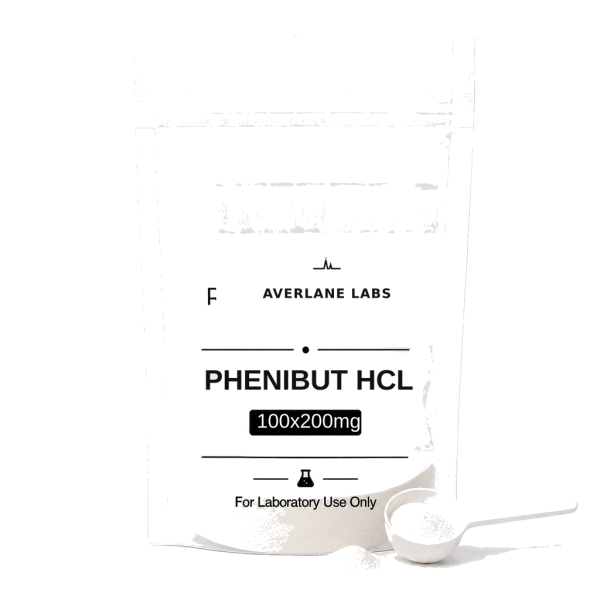
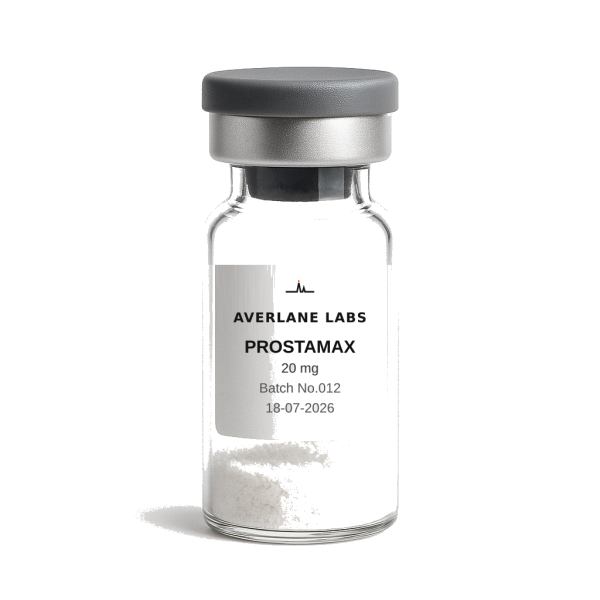
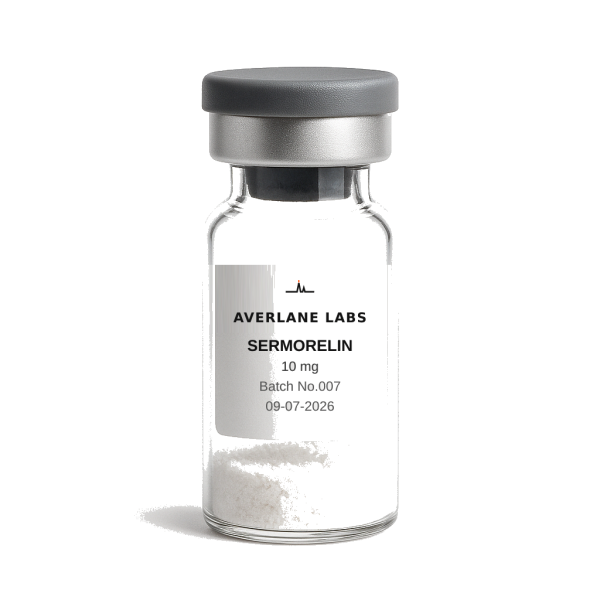
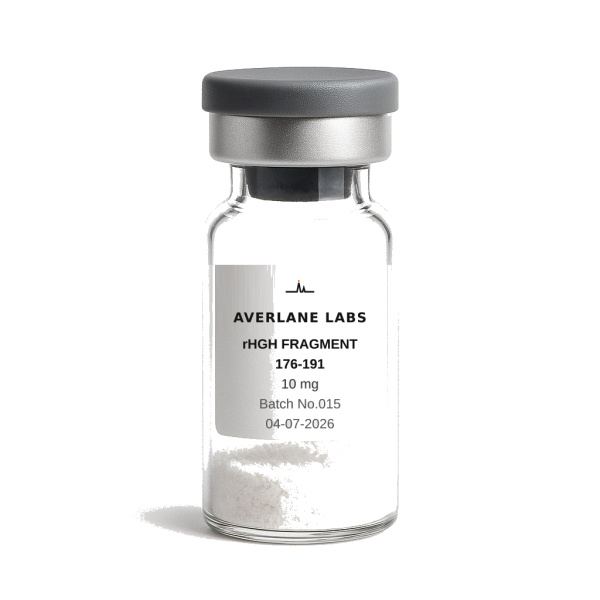
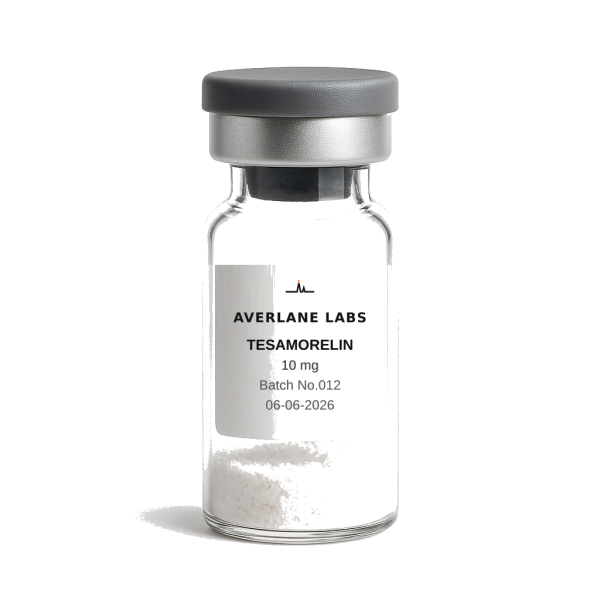
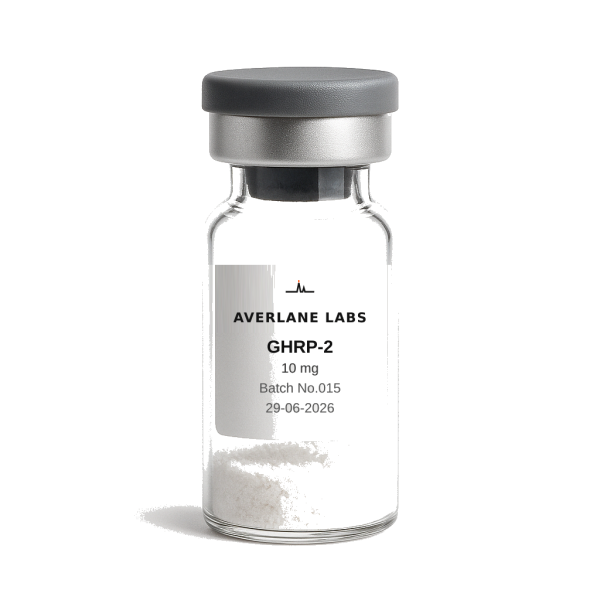
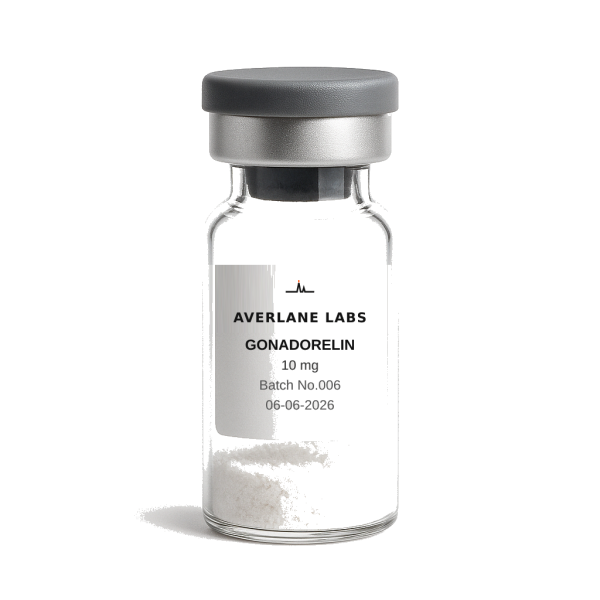
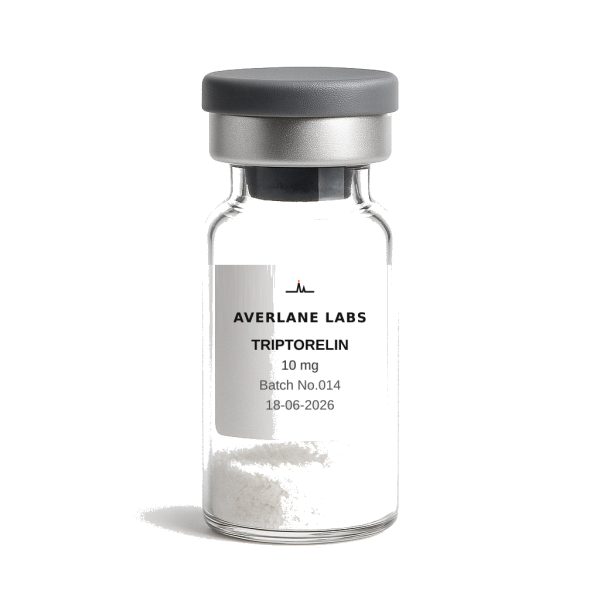
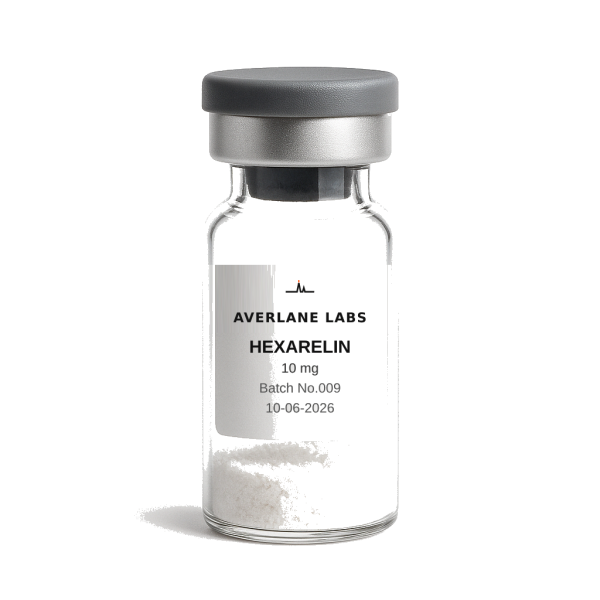
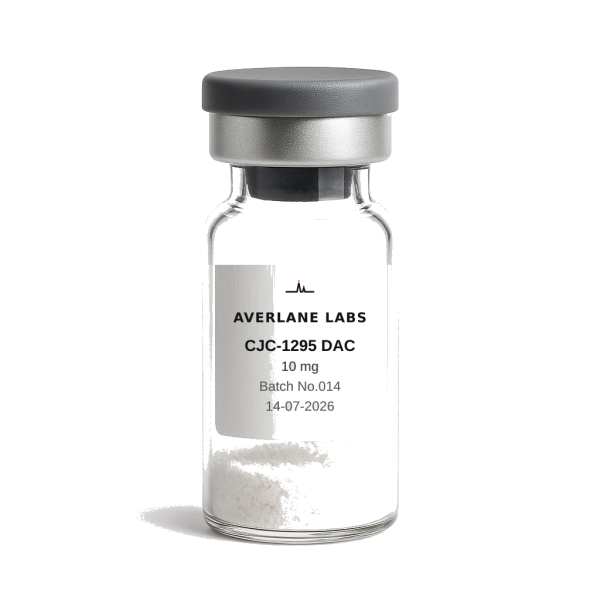
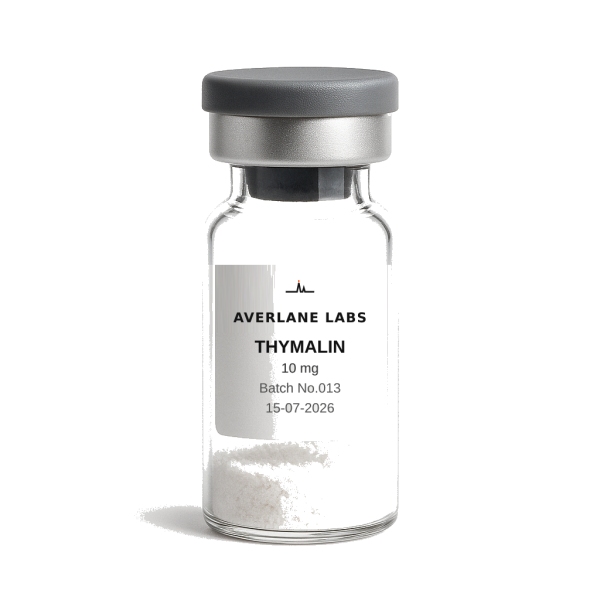
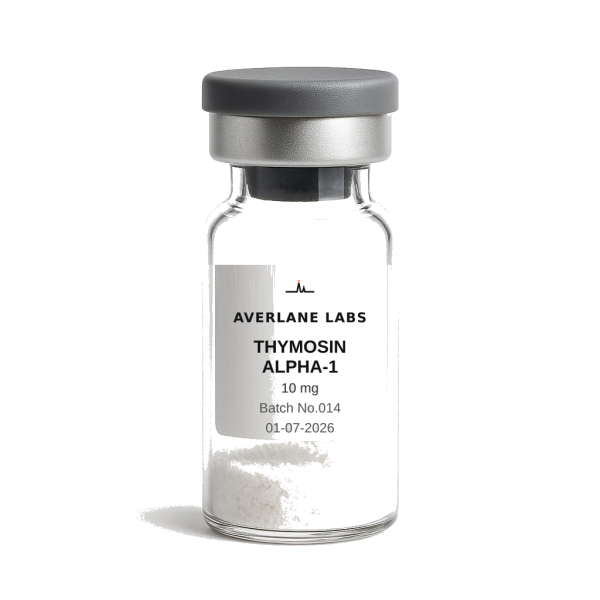
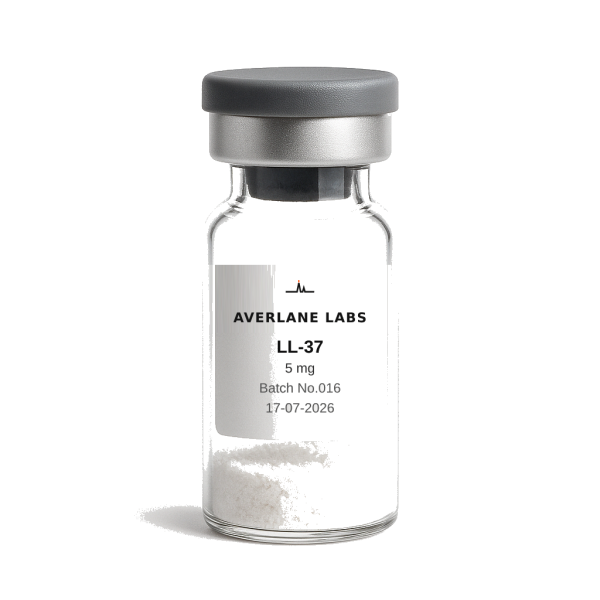

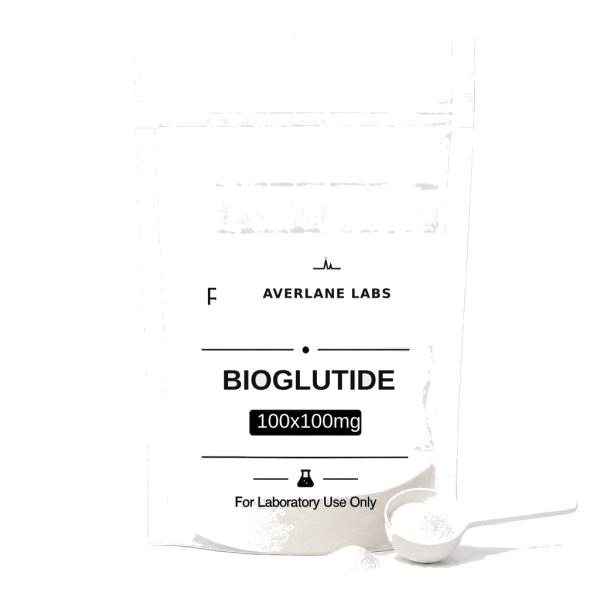

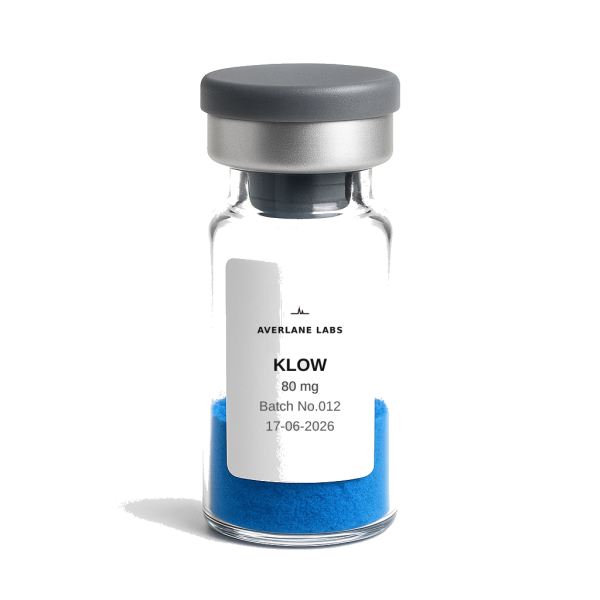
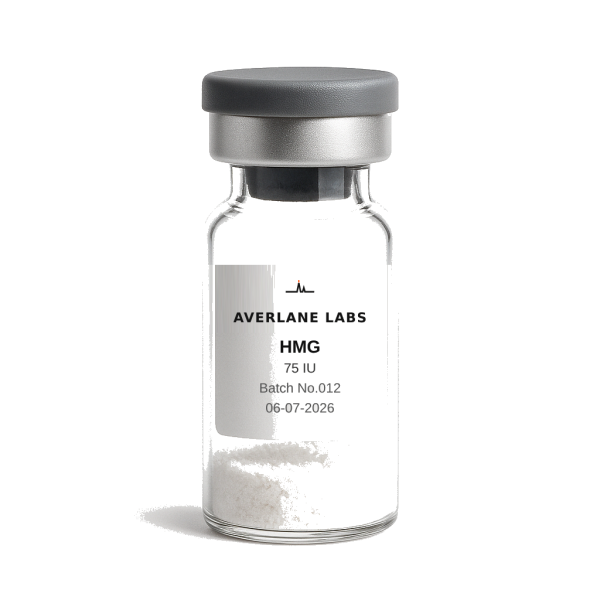
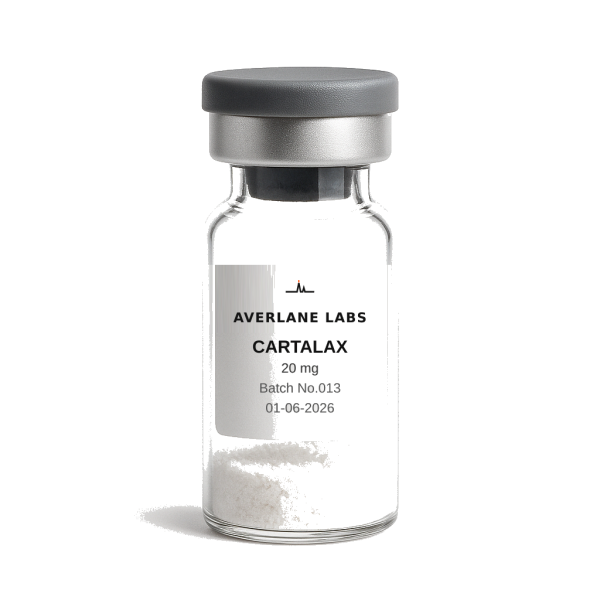

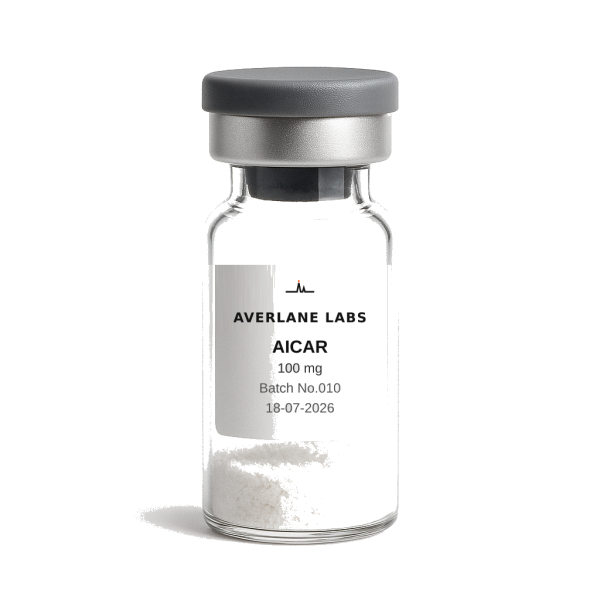
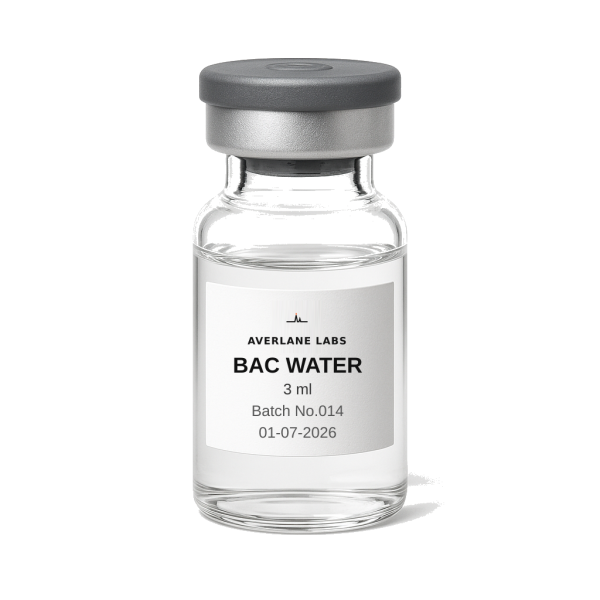
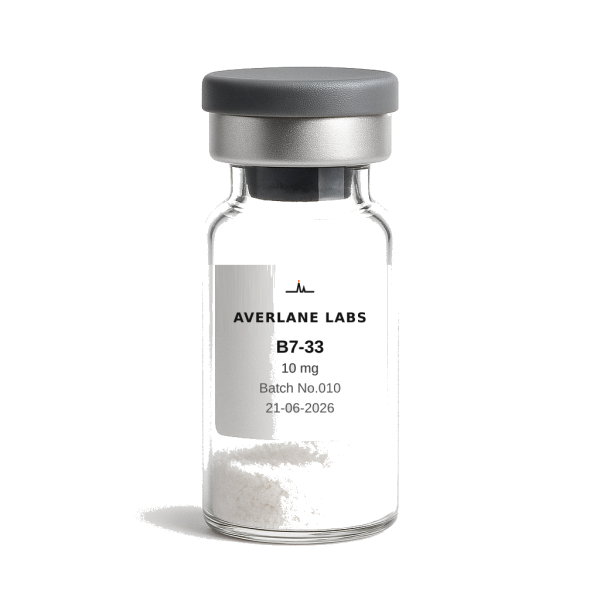
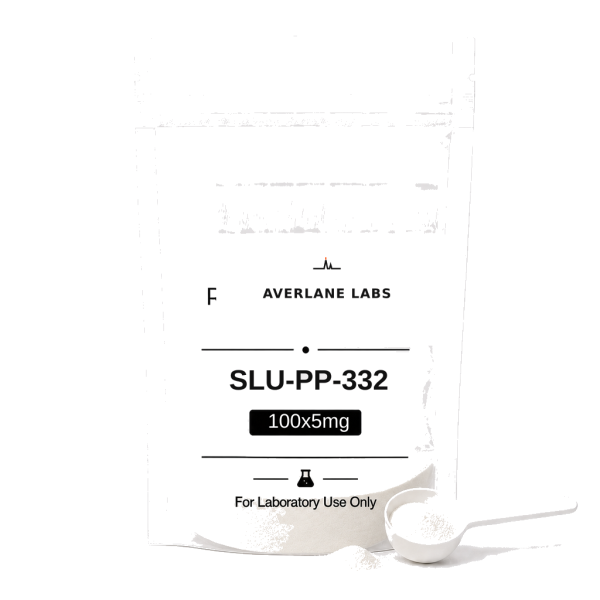
NOT FOR HUMAN CONSUMPTION
Double sample transport bags (160×200 mm) are best viewed as biosafety-oriented containment consumables, not active protective devices. Their primary function is secure, leak-resistant transport of biological or chemical samples, with an emphasis on containment, separation, and labeling. The defining feature is the dual-compartment design, which allows physical separation of the sample and documentation, reducing contamination risk and improving traceability. Their effectiveness depends on material strength, seal integrity, and correct handling, not complex technology.
2. Additional benefits / practical uses
| Benefit | Take-away |
|---|---|
| 1. Leak containment | Core use case. Designed to contain fluids if the primary container fails |
| 2. Dual-compartment separation | Keeps paperwork separate from the sample |
| 3. Improved biosafety handling | Reduces exposure risk during transport |
| 4. Compliance support | Often used to meet lab/clinical transport guidelines |
| 5. Easy labeling | Writable areas or document pouches improve identification |
| 6. Transparency | Clear plastic allows visual inspection without opening |
| 7. Lightweight and disposable | Suitable for single-use workflows |
| 8. Not a standalone shipping solution | Requires a secondary rigid container for full compliance in many cases |
3. Mechanism of action (functional design)
3.1 Structural “mechanics”
These bags function through passive containment design:
- Primary pouch → holds the sample container
- Secondary pouch → holds paperwork (e.g., request forms)
- Sealed closure (zip or adhesive) → prevents leakage
- Flexible plastic film → conforms around contents while maintaining barrier integrity
3.2 Downstream safety function
| Design feature | Functional outcome | Context |
|---|---|---|
| Leak-resistant plastic | Contains spills from primary containers | Biological samples |
| Dual compartments | Prevents contamination of documentation | Clinical/lab workflows |
| Transparent material | Enables quick inspection | Transport/logistics |
| Closure system | Maintains sealed environment | Handling and transport |
These features are practical and widely accepted, but they do not replace full biosafety packaging systems when required.
4. “Performance characteristics” (practical equivalent of PK)
- Size: 160 × 200 mm (medium-sized samples)
- Material: usually polyethylene (LDPE)
- Closure: zip-lock or adhesive strip
- Leak resistance: moderate to high (depends on thickness and seal quality)
- Temperature tolerance: typically standard room/refrigerated transport
Performance depends on:
- seal quality
- plastic thickness
- correct use (properly sealed, not overfilled)
5. Evidence / real-world performance
5.1 Strong, well-established aspects
- Standard in clinical labs, hospitals, and diagnostic transport
- Widely used for:
- blood tubes
- urine samples
- swabs
- Helps reduce contamination and handling errors
5.2 Limitations
- Not puncture-proof → sharp objects can compromise integrity
- Not sufficient alone for:
- high-risk pathogens
- regulated shipping (e.g., UN3373 without full packaging system)
- Seal failure possible if poorly manufactured or misused
6. Safety and tolerability
Generally safe and essential for lab workflows.
Main risks are indirect:
- leakage if improperly sealed
- contamination if compartments are misused
- failure under excessive pressure or sharp contents
7. Contraindications and cautions
Use extra caution with:
- Transporting high-risk infectious materials without full compliant packaging
- Overfilling bags, which compromises sealing
- Sharp or fragile containers that can puncture plastic
- Assuming full regulatory compliance without checking standards
8. Comparative practical matrix
| Feature | Double sample transport bag |
|---|---|
| Main strength | Leak-resistant sample containment |
| Best use case | Routine clinical/lab sample transport |
| Safety level | Moderate (part of a system) |
| Core limitation | Not a complete transport solution |
| Material durability | Moderate |
| Best framing | Essential biosafety accessory |
9. Regulatory landscape
- Commonly used to support compliance with:
- UN3373 (Biological Substance Category B) packaging systems
- Laboratory and hospital transport guidelines
However:
- The bag itself is only one component of a compliant system
- Full compliance typically requires:
- primary leak-proof container
- absorbent material
- rigid outer packaging
10. Future directions
Potential improvements include:
- Higher puncture resistance materials
- Better tamper-evident seals
- Integrated absorbent layers
- Improved traceability labeling systems
Best balanced summary
Double sample transport bags (160×200 mm) are a simple but essential biosafety tool designed for the secure handling and transport of laboratory and clinical samples. Their dual-compartment design improves organization and reduces contamination risk, while their leak-resistant construction supports safe routine transport. However, they are not a standalone safety solution and must be used as part of a complete compliant packaging system for higher-risk or regulated transport scenarios.
Researcher reviews
No reviews yet for this lot line. Verified purchasers can leave the first one.
Reviews
There are no reviews yet.