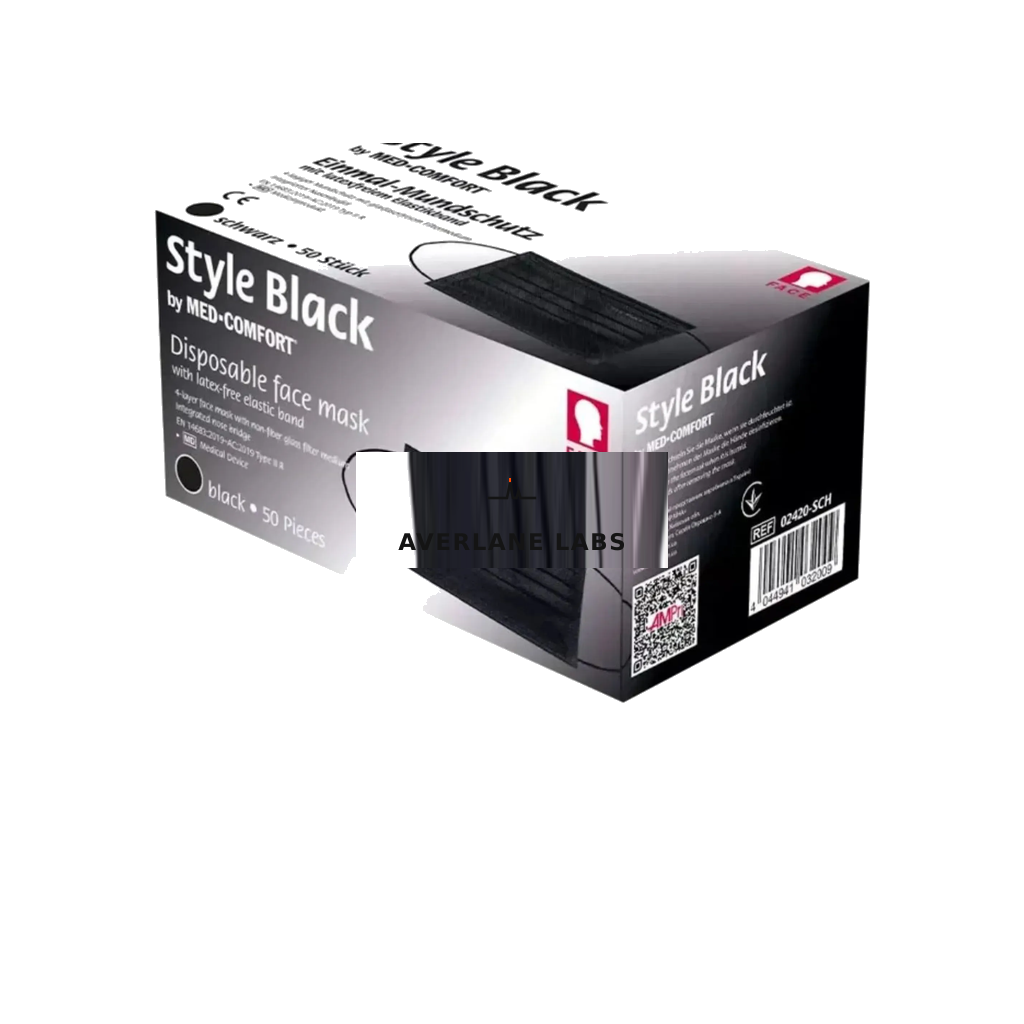
medical masks 3-layer Type IIR
Certificate of Analysis available on request for the current lot.
Complete the setup
Reconstitution and bench supplies researchers pair with medical masks 3-layer Type IIR
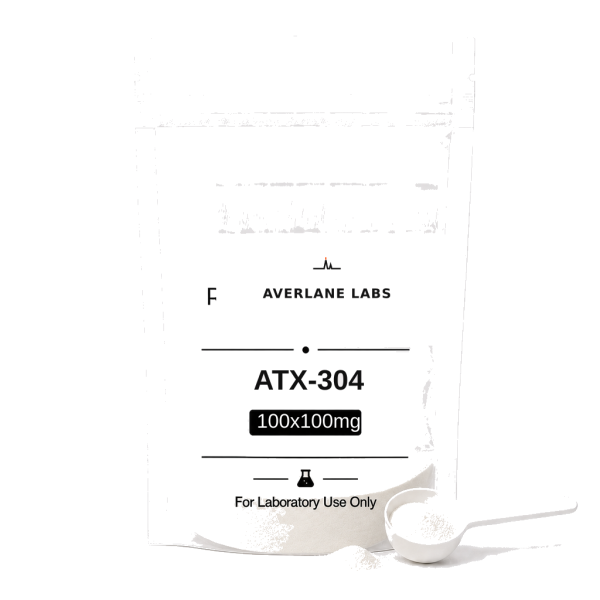
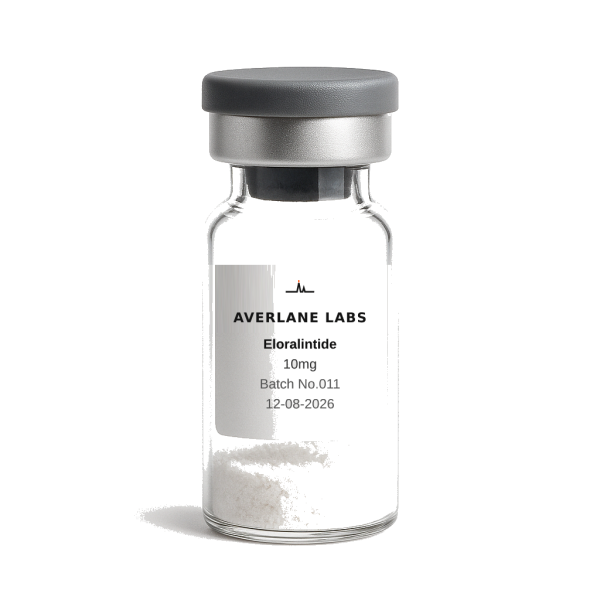
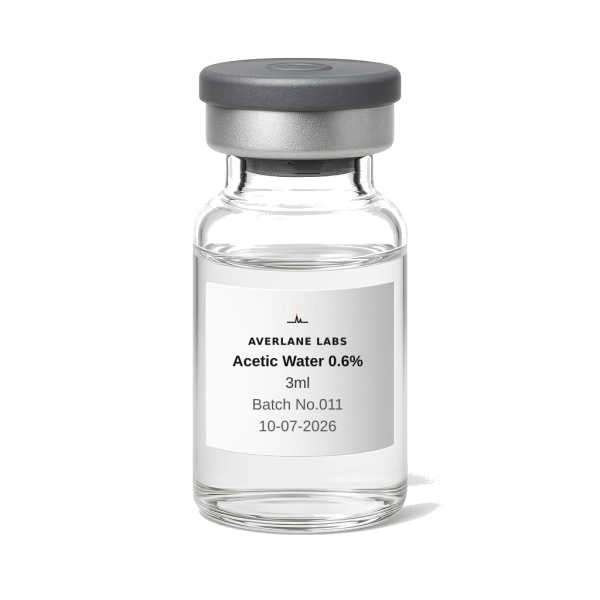
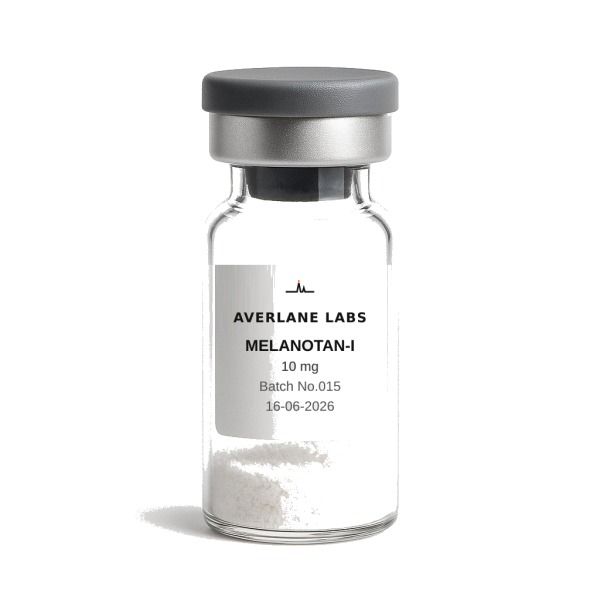
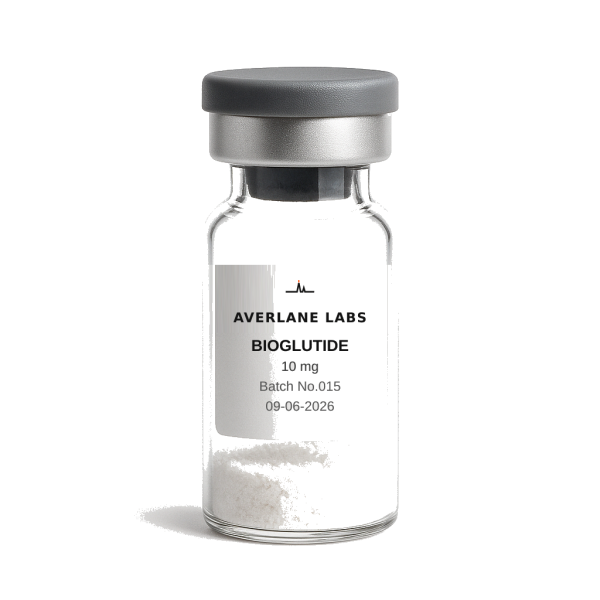
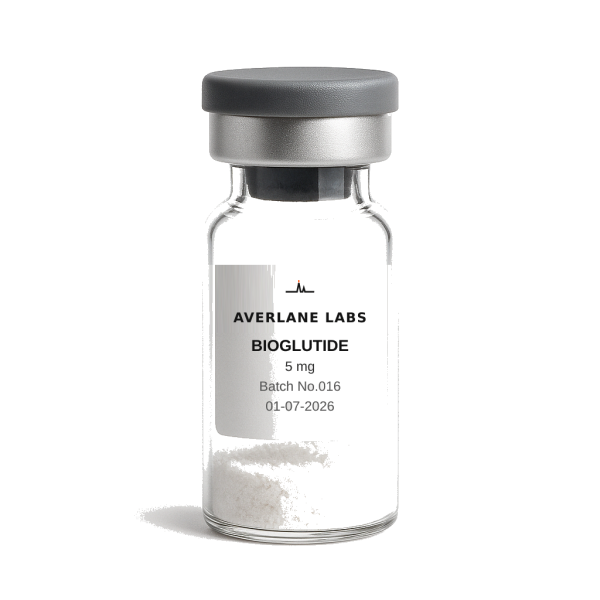
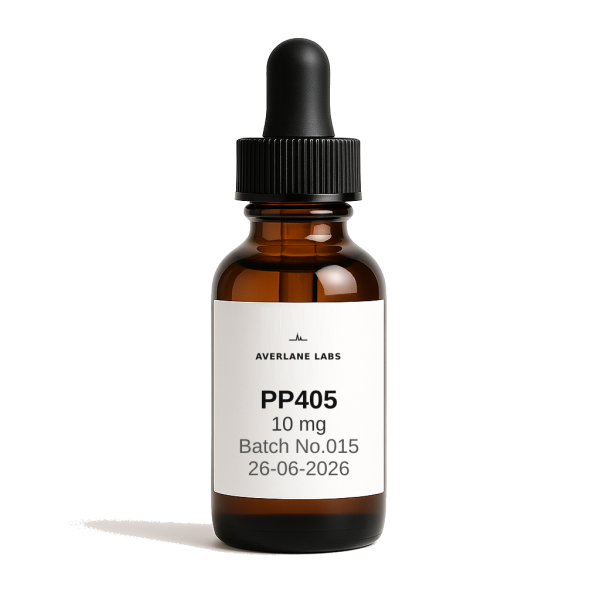
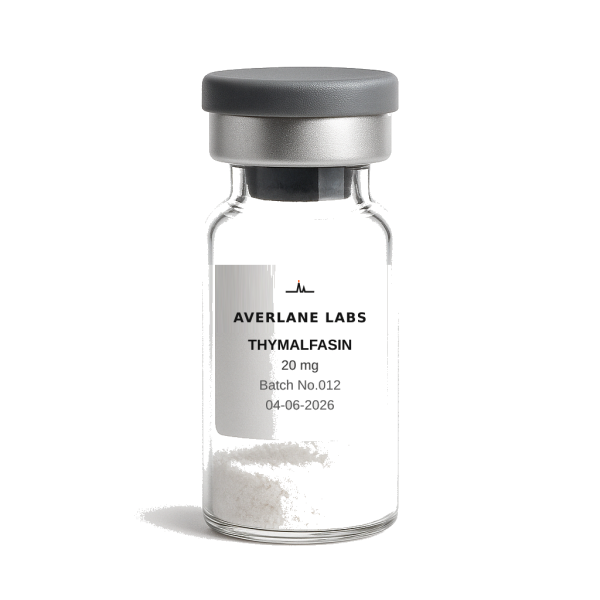
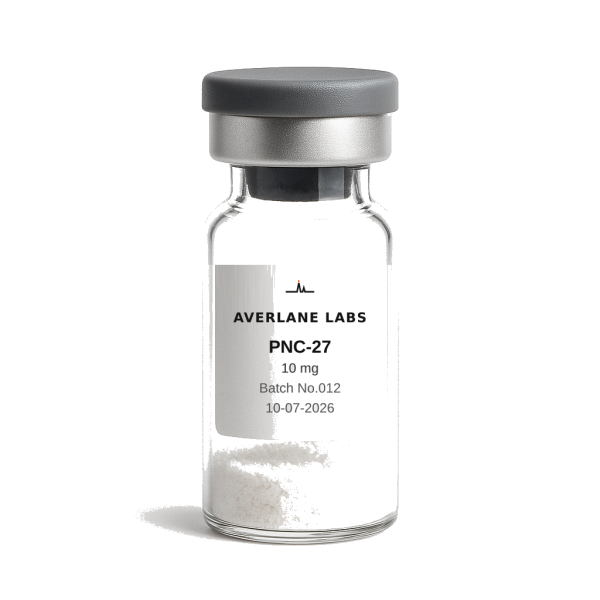

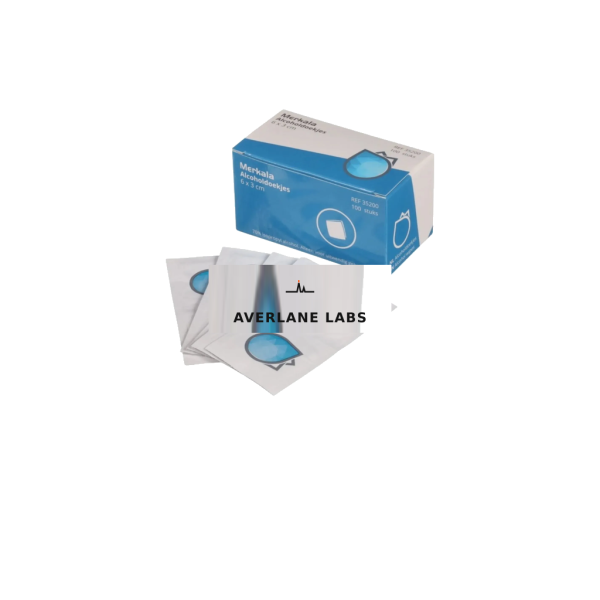
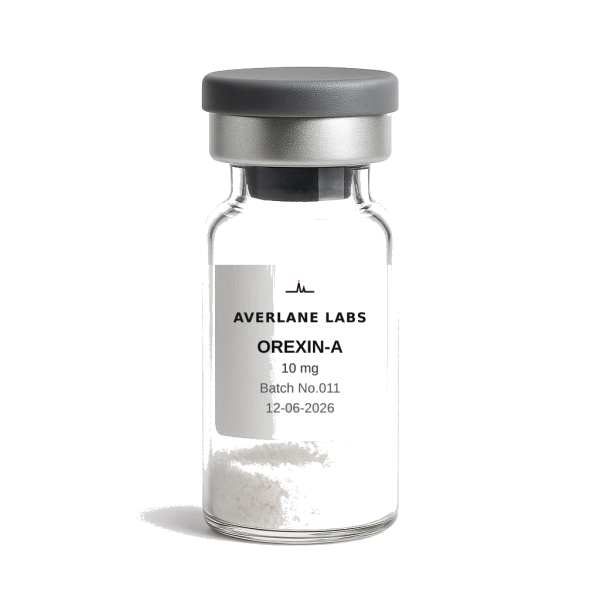

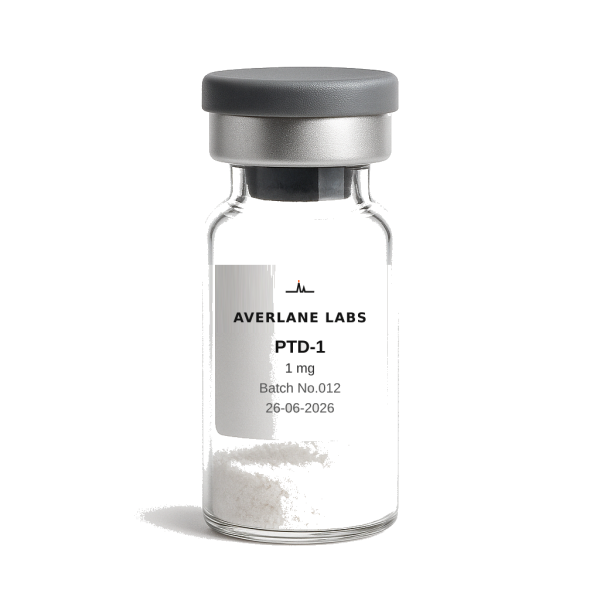
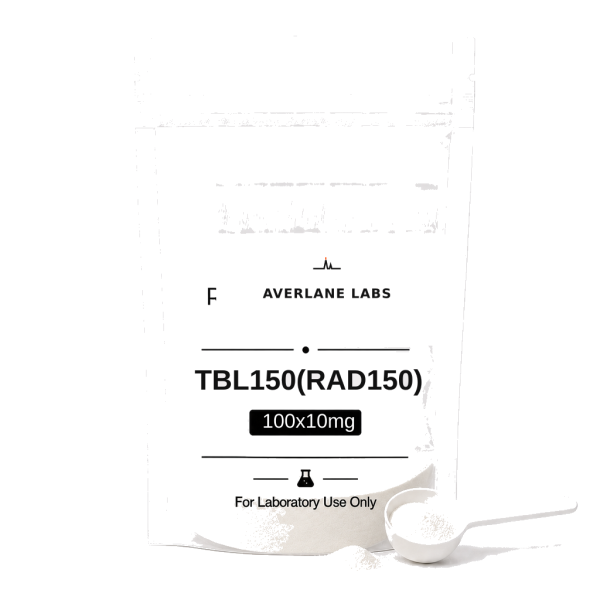
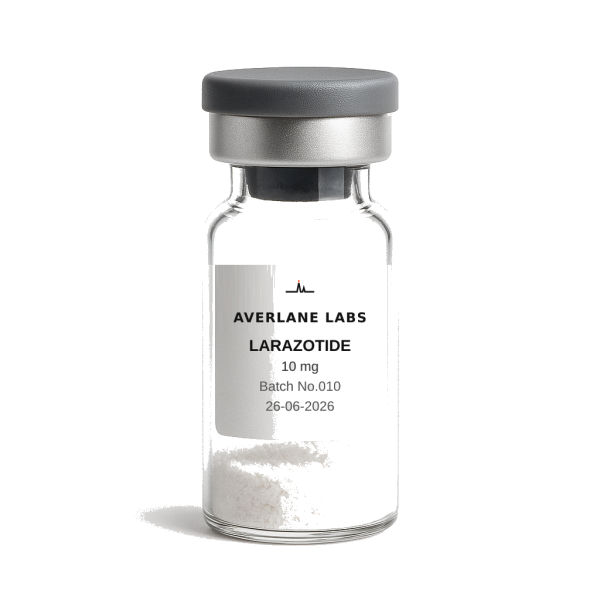
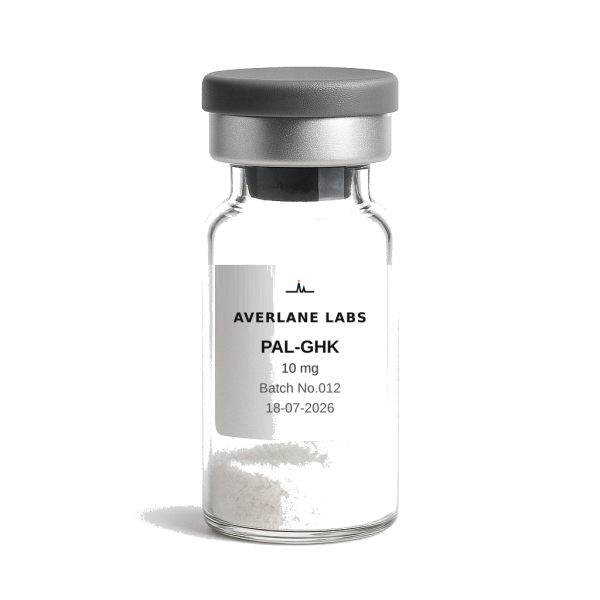
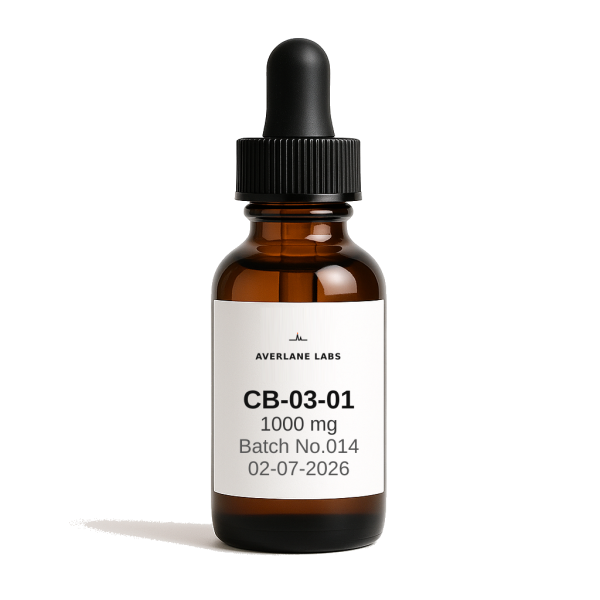
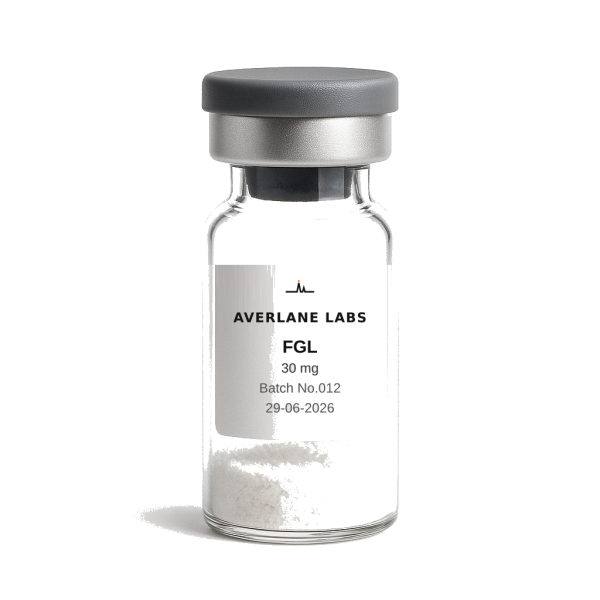
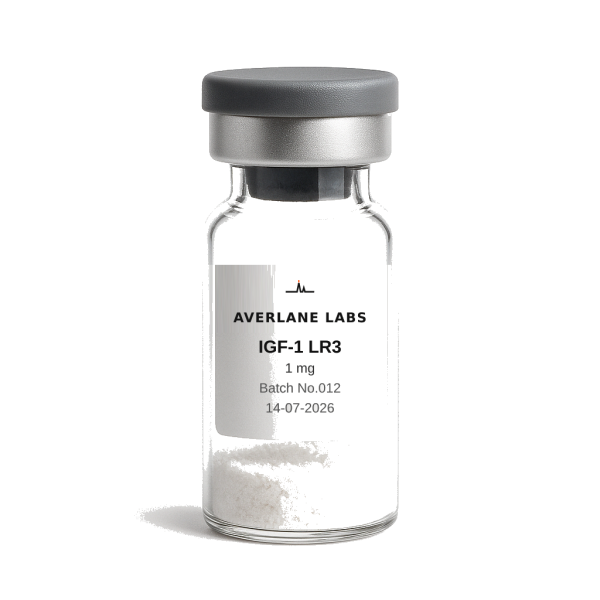
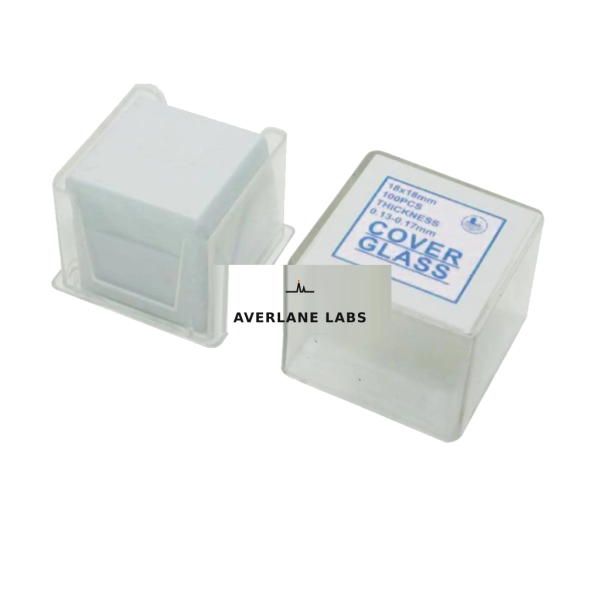
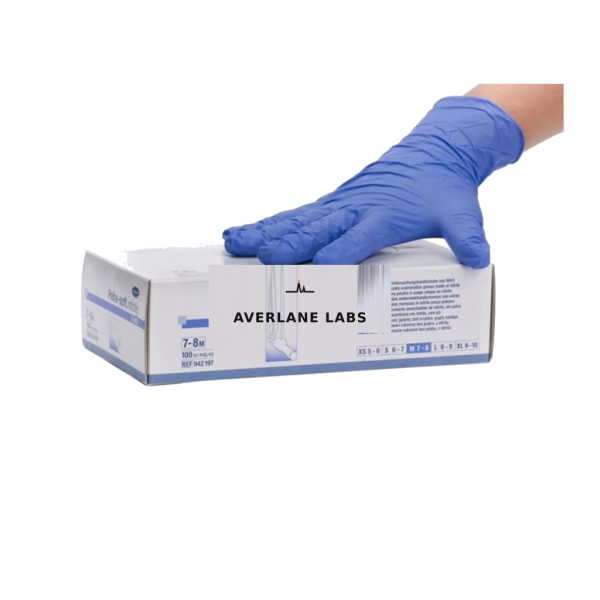
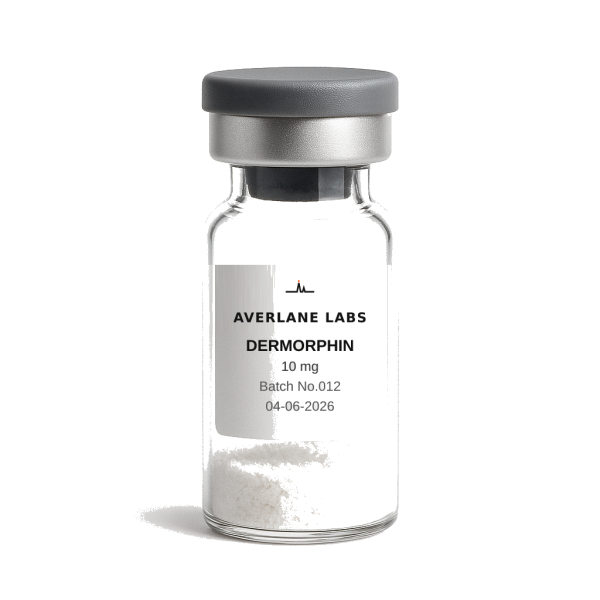
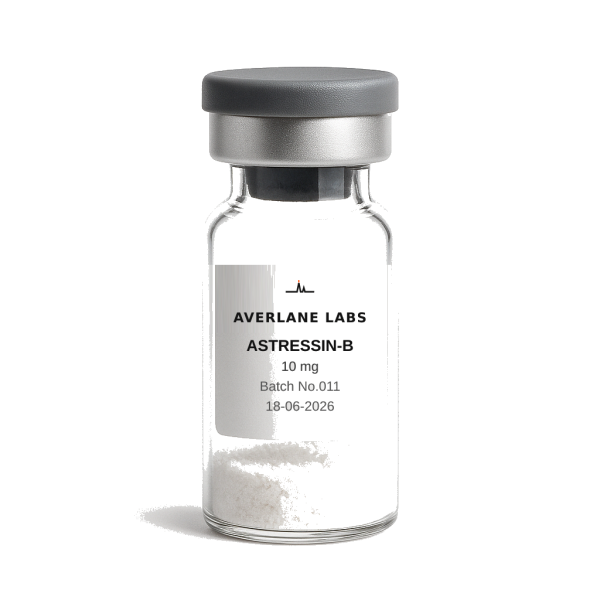
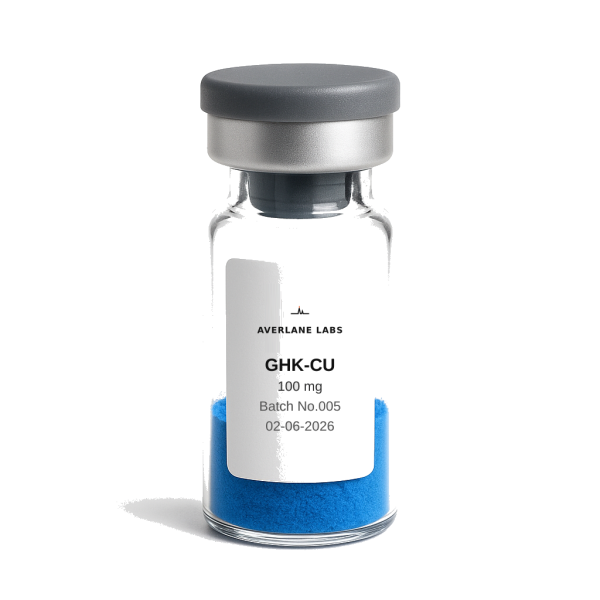
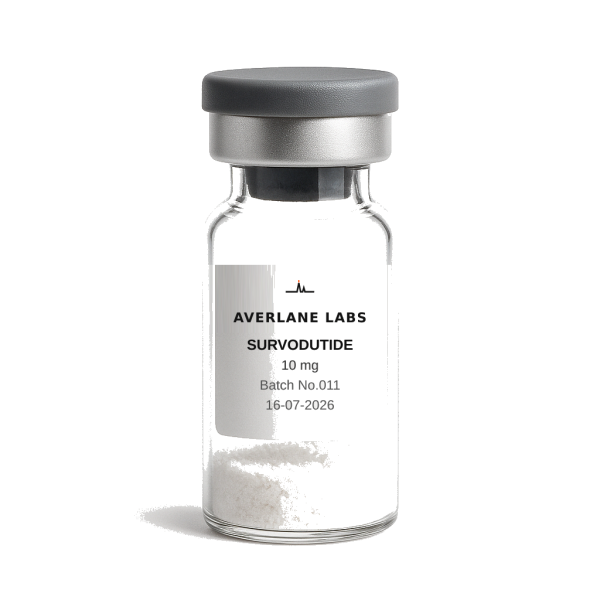
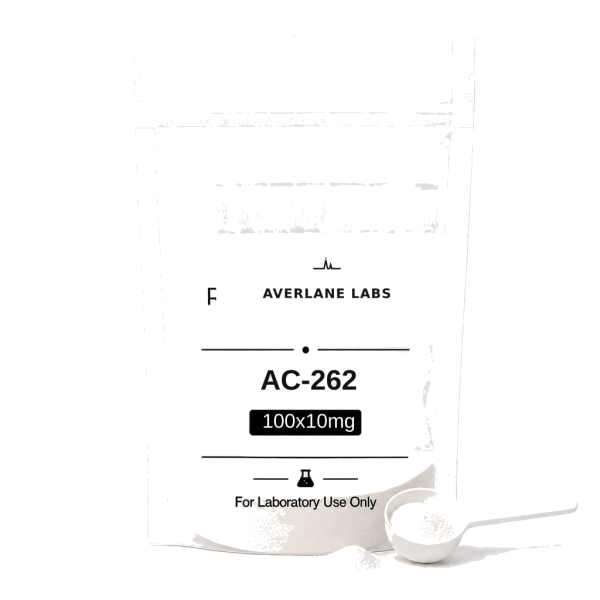
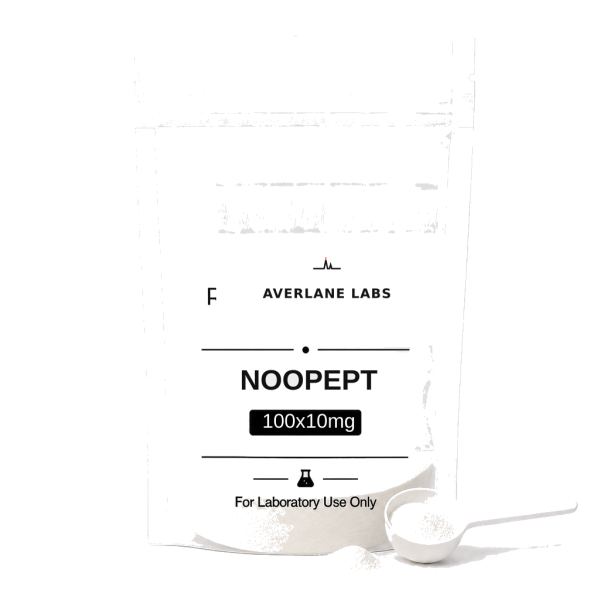
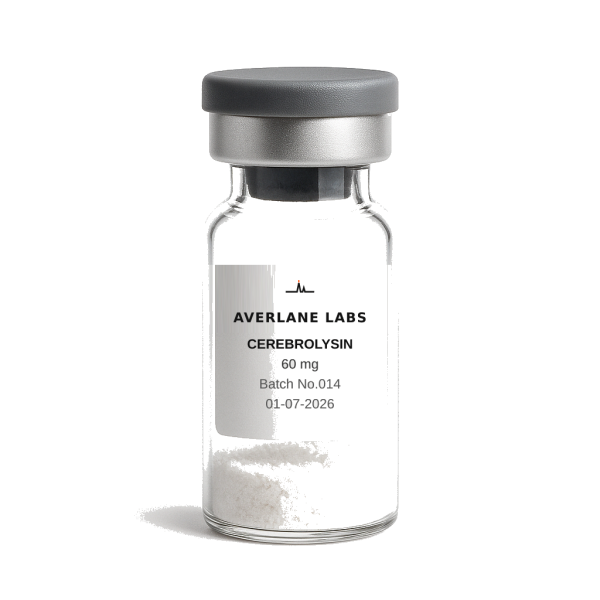
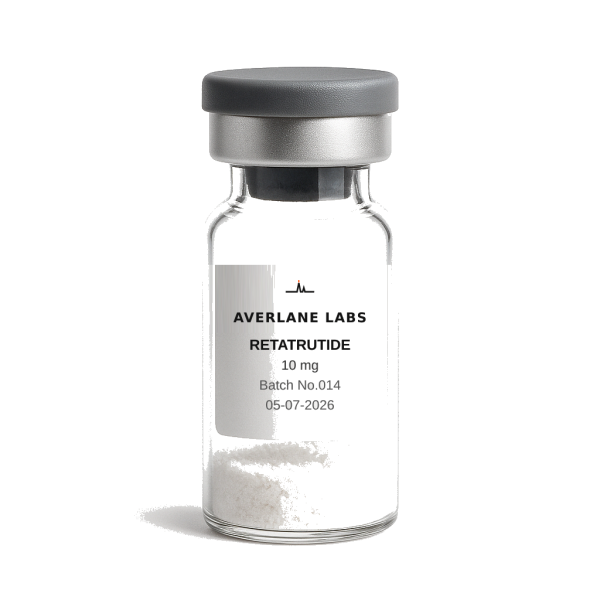
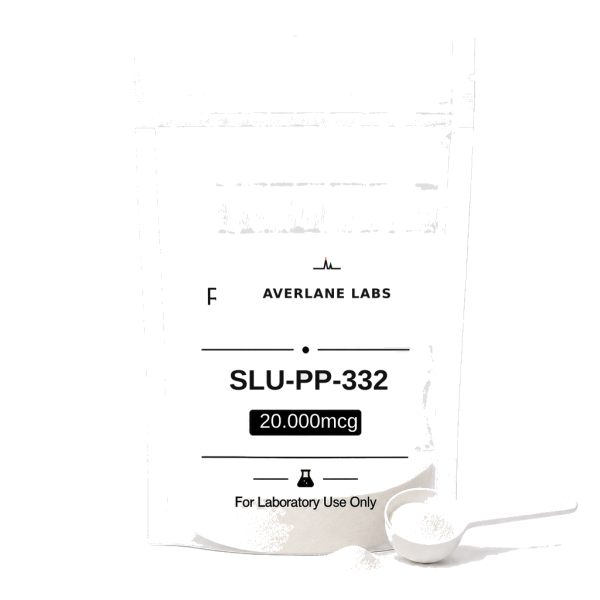
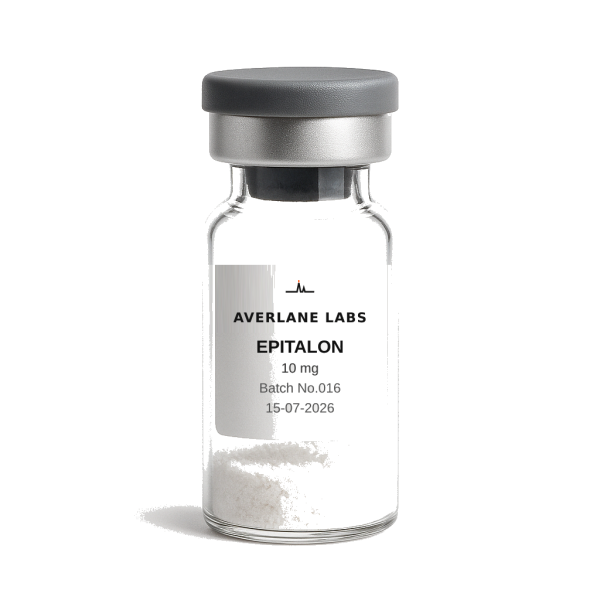
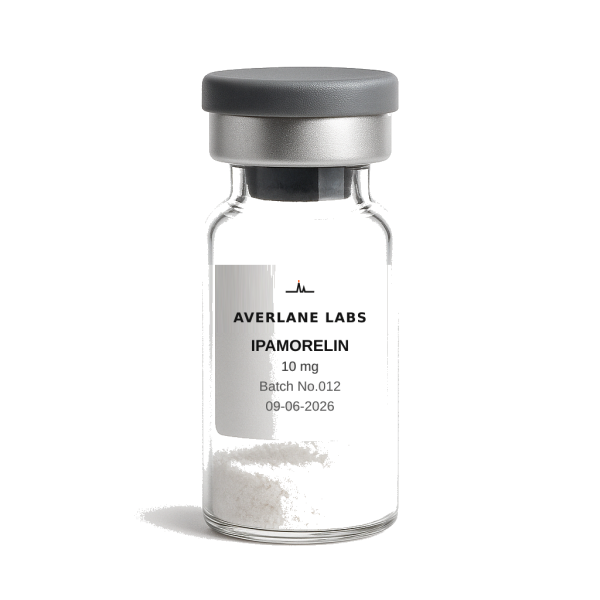
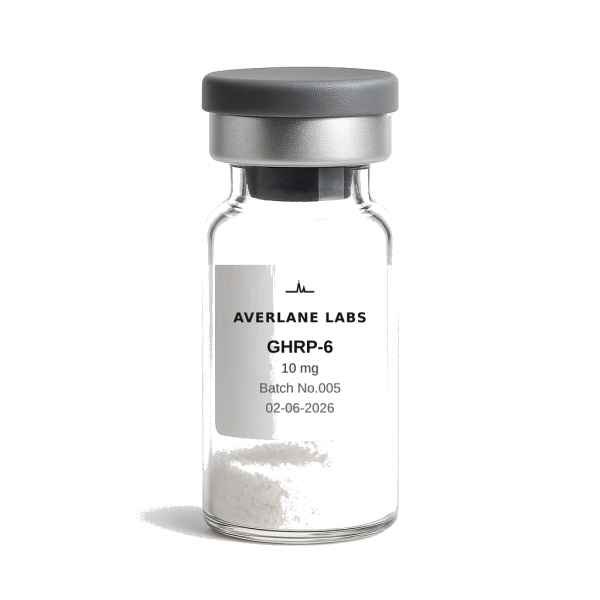
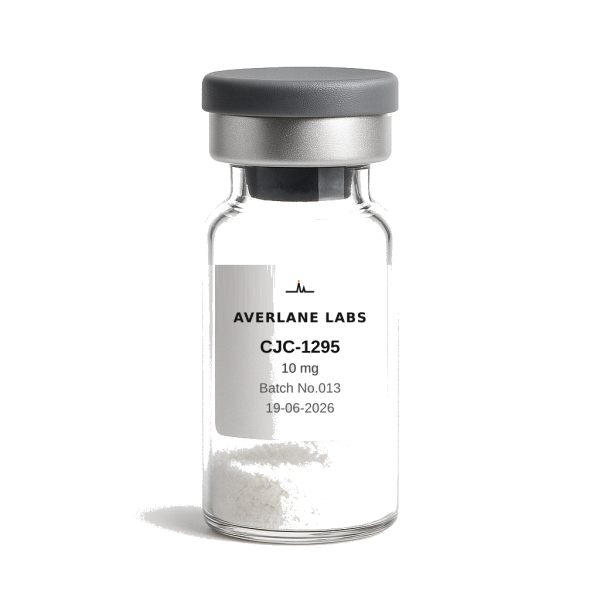
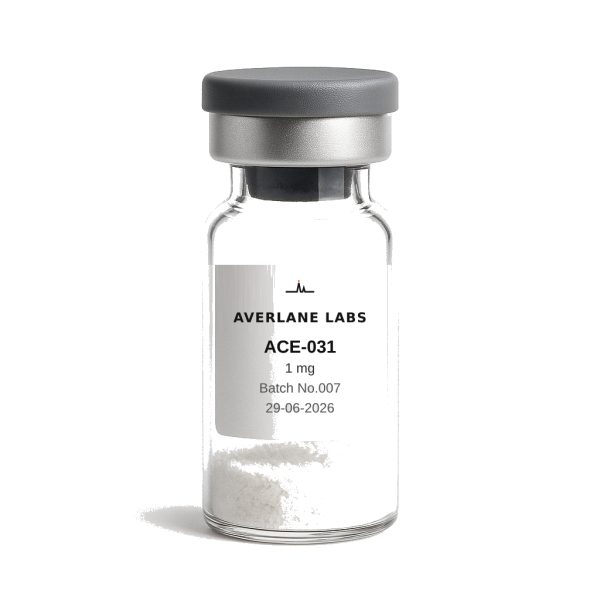
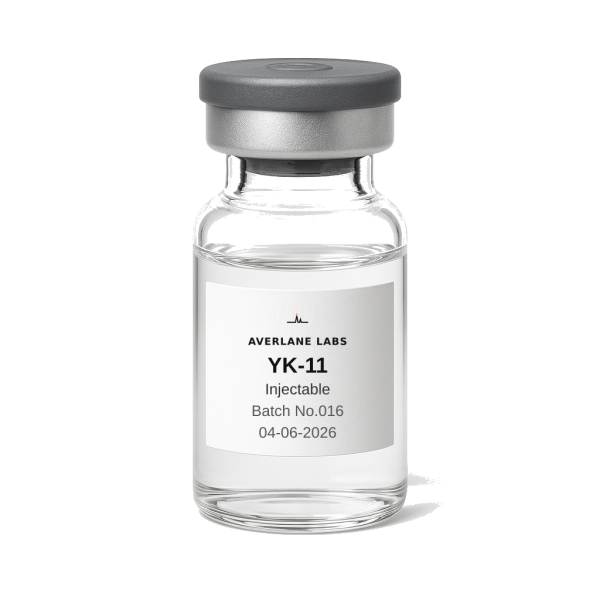
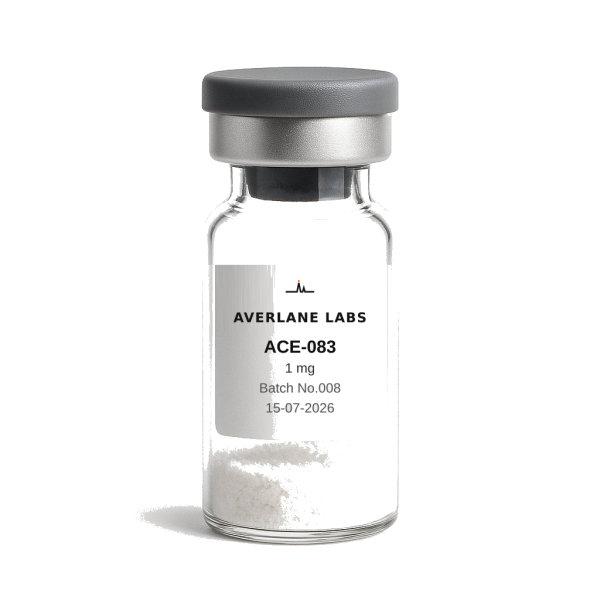
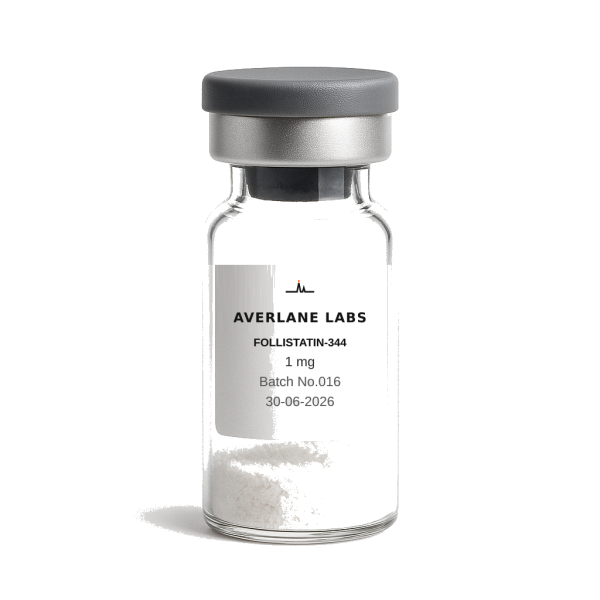
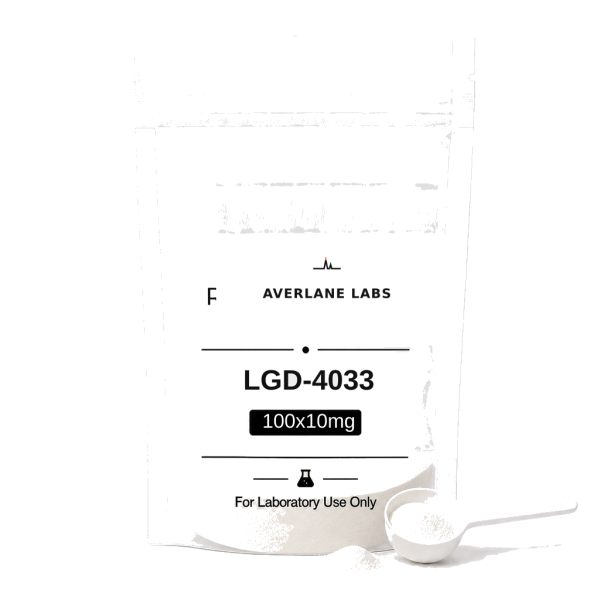
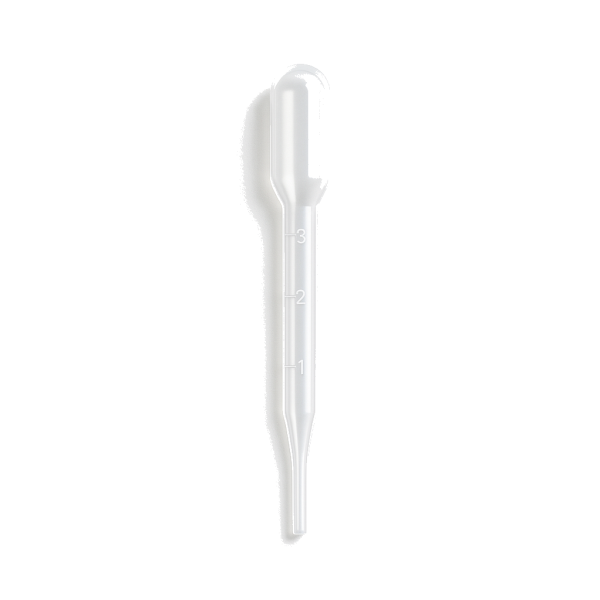
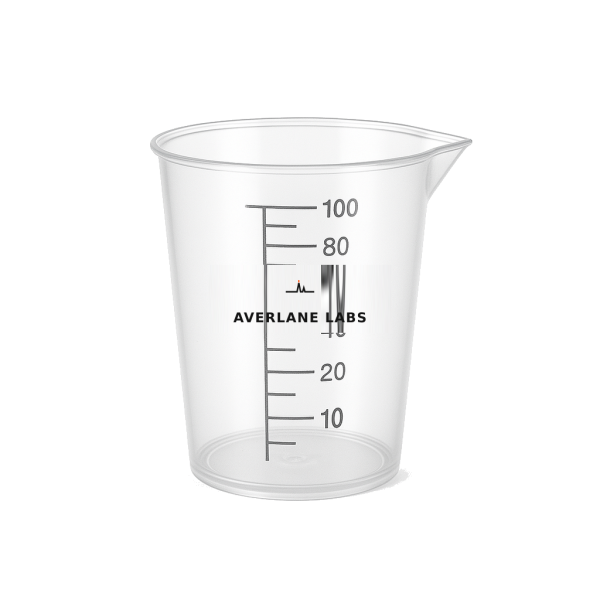
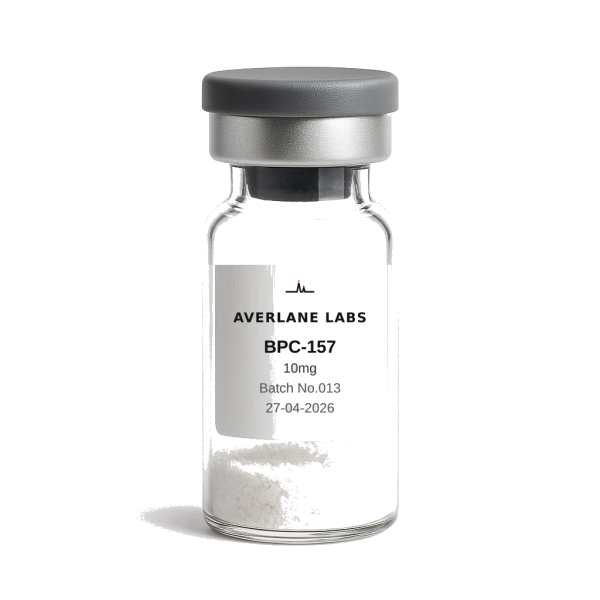
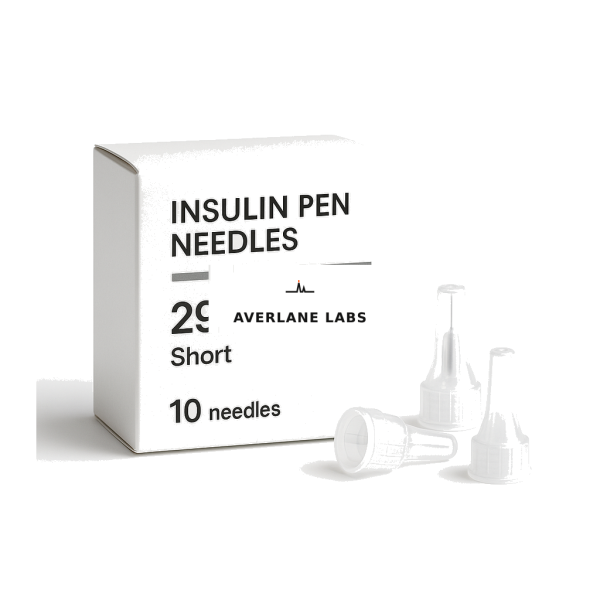
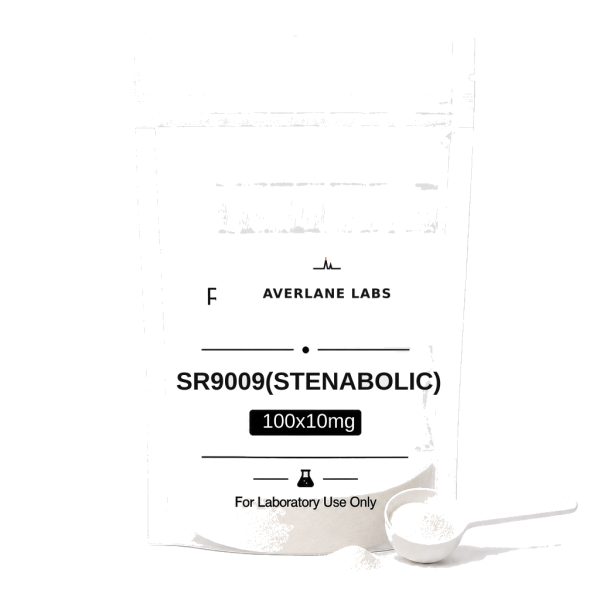
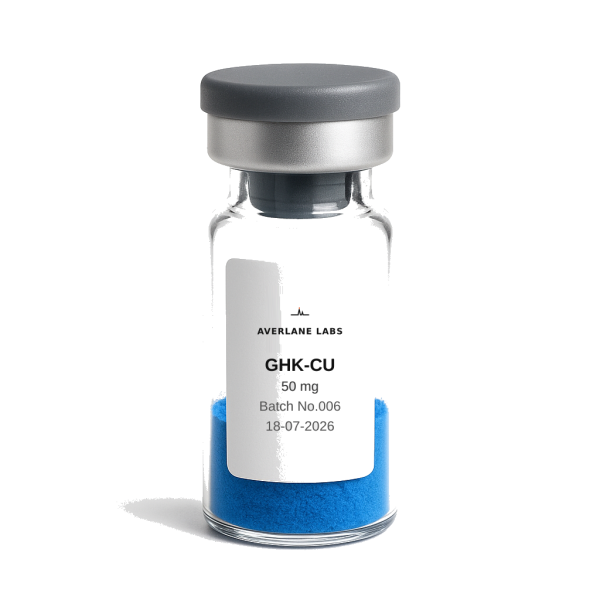
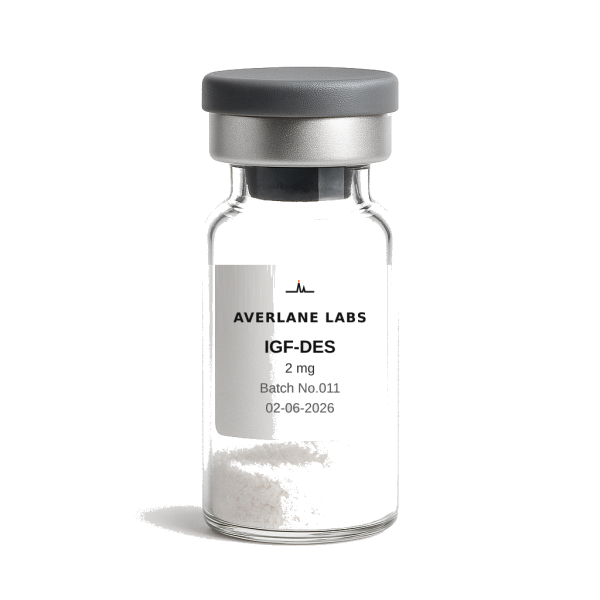
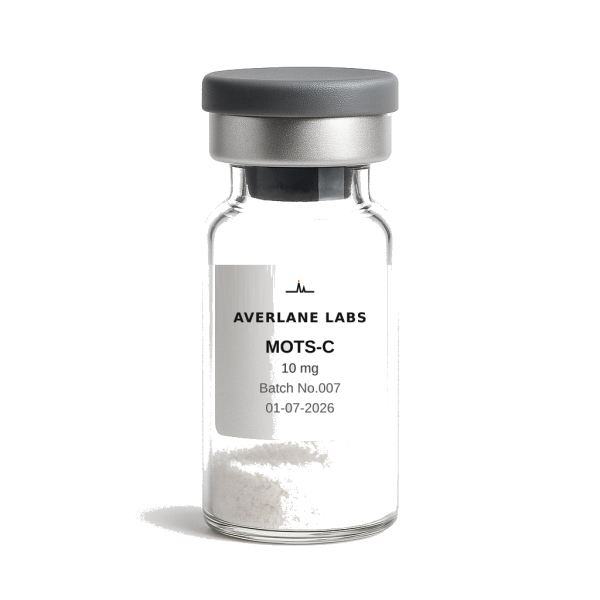
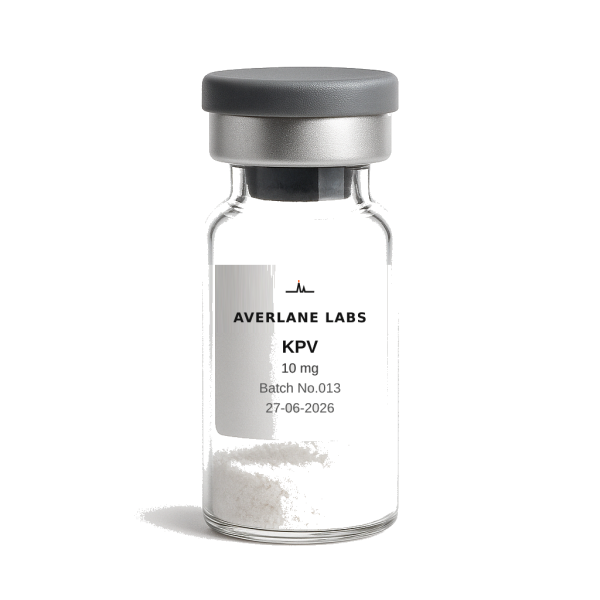
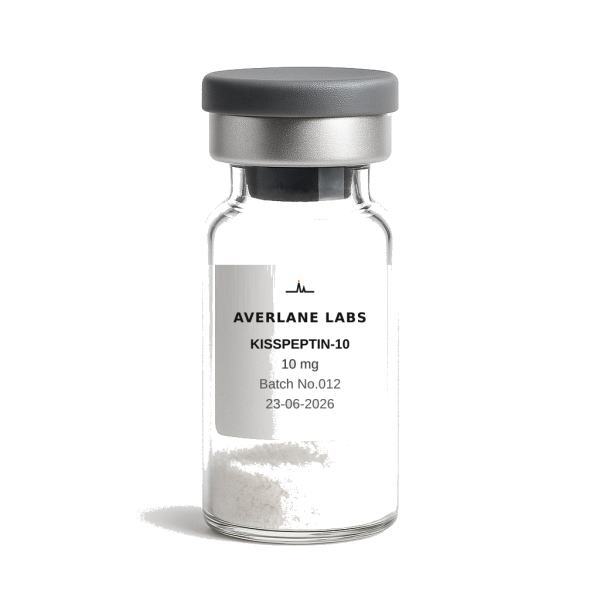
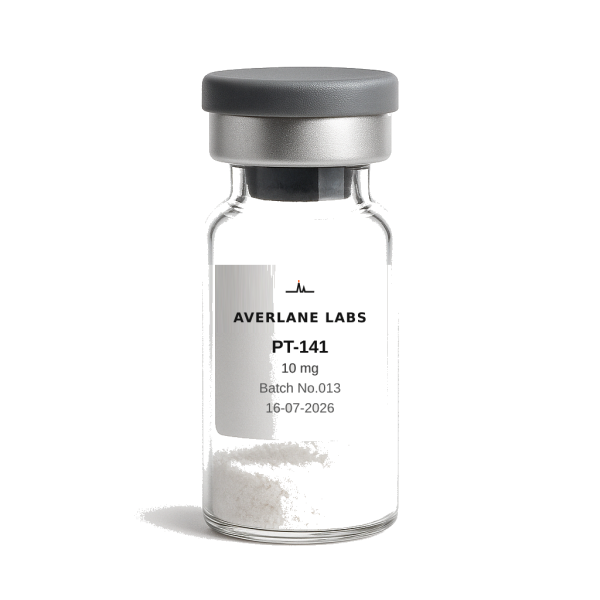
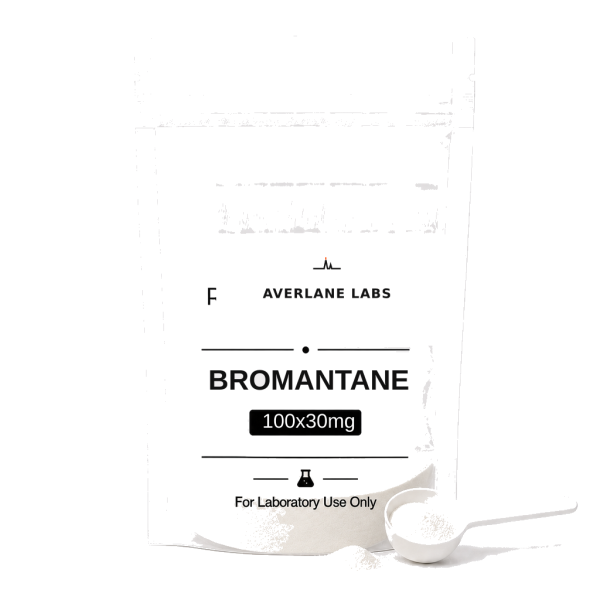
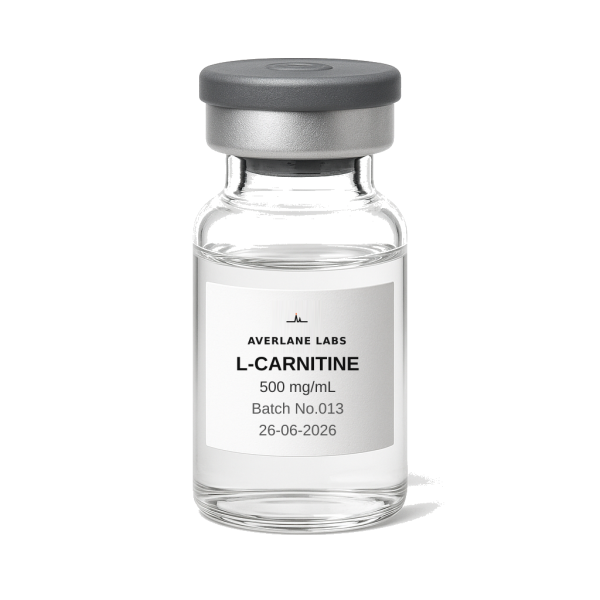
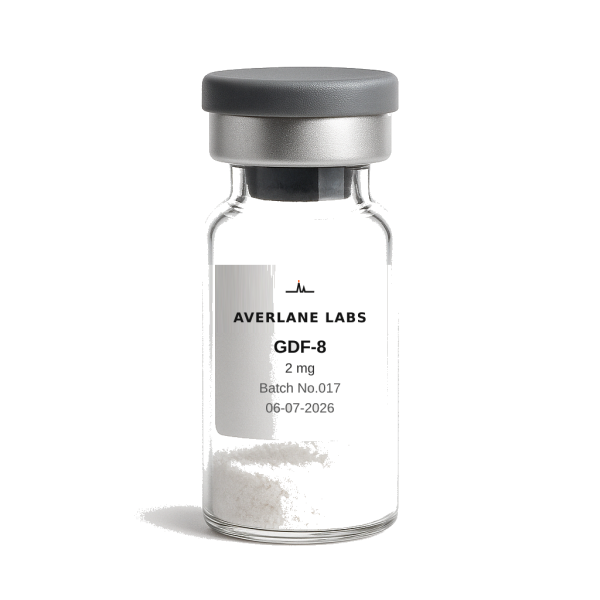
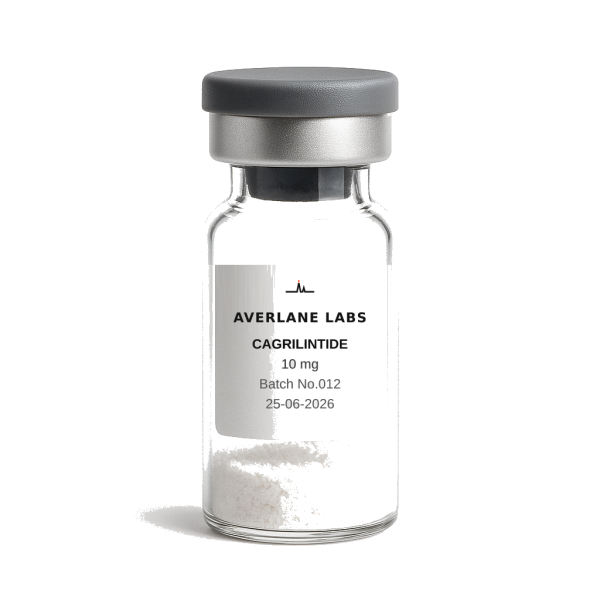
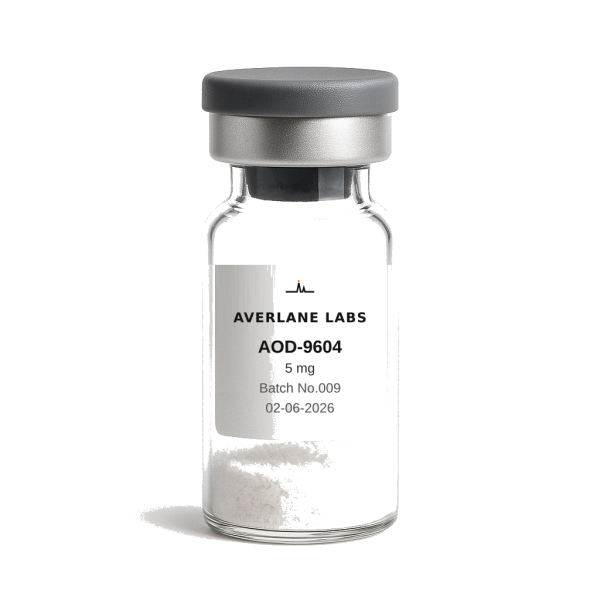
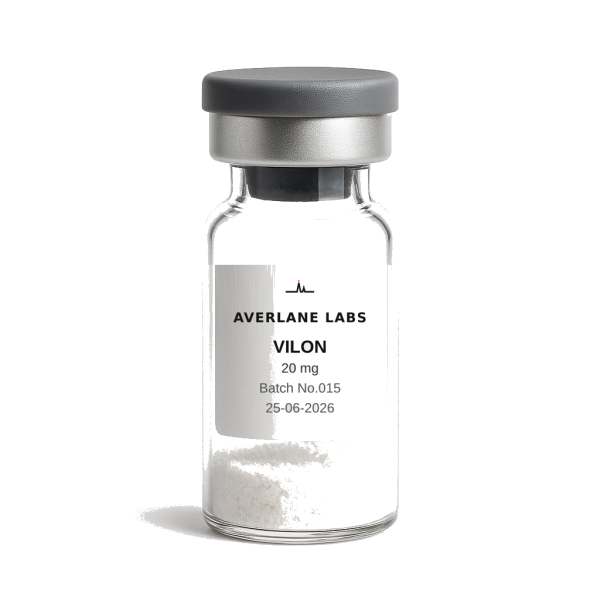
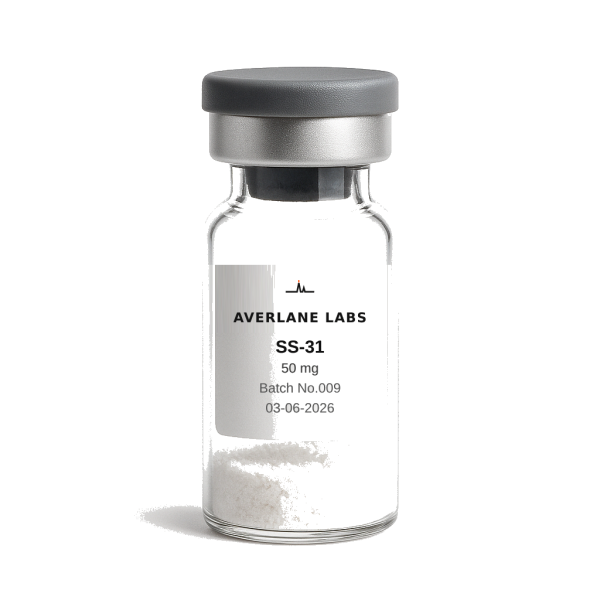
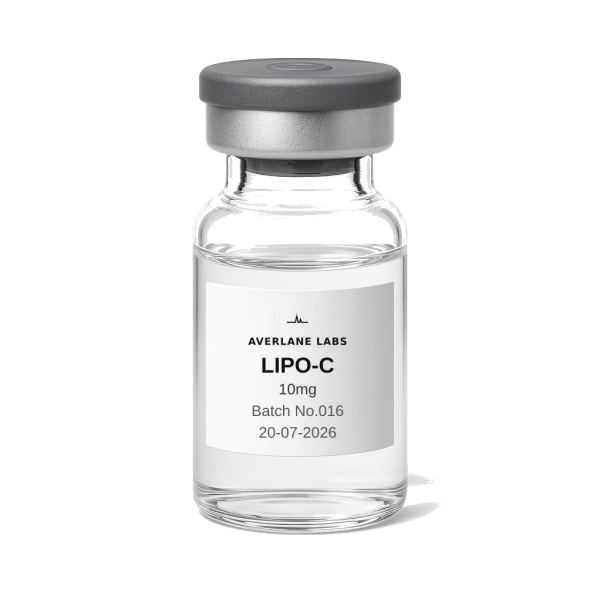
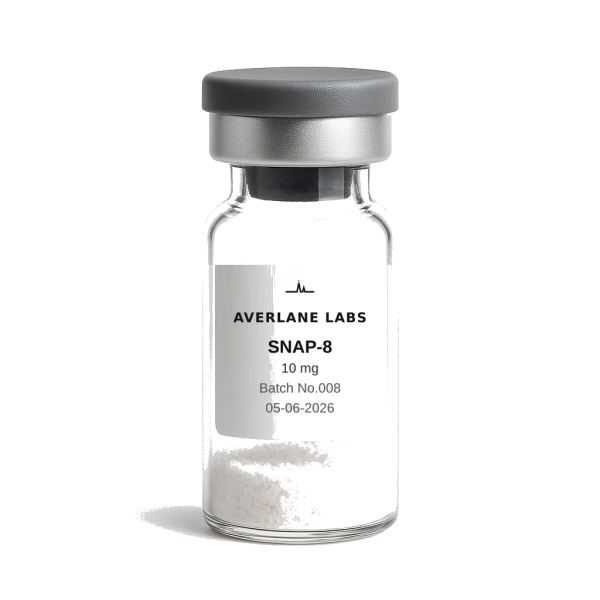
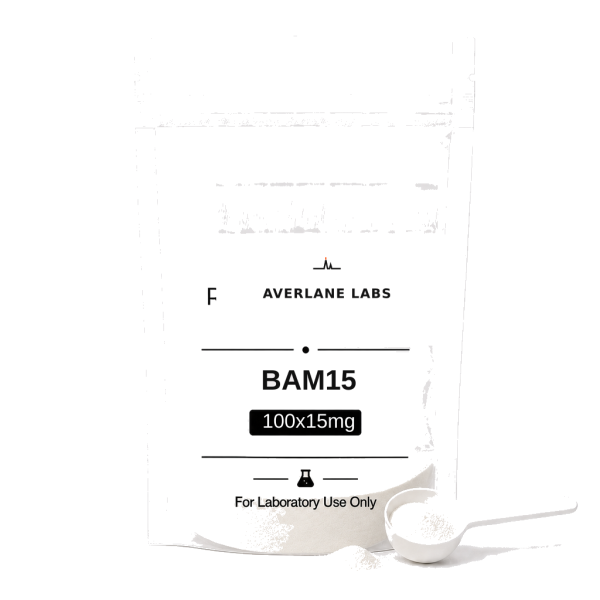
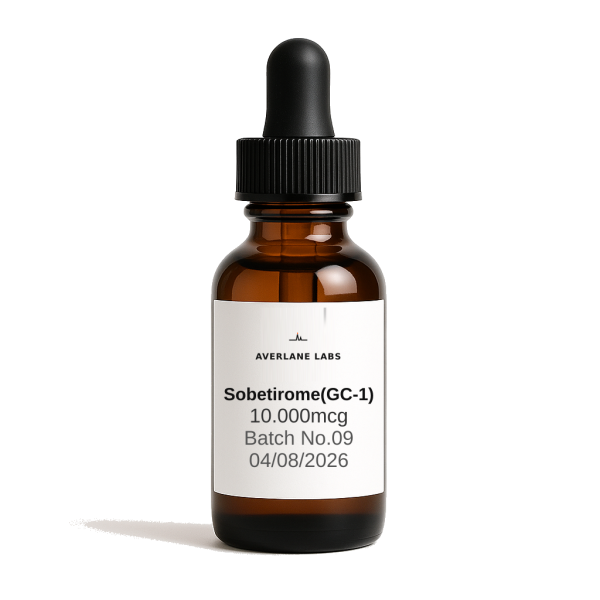
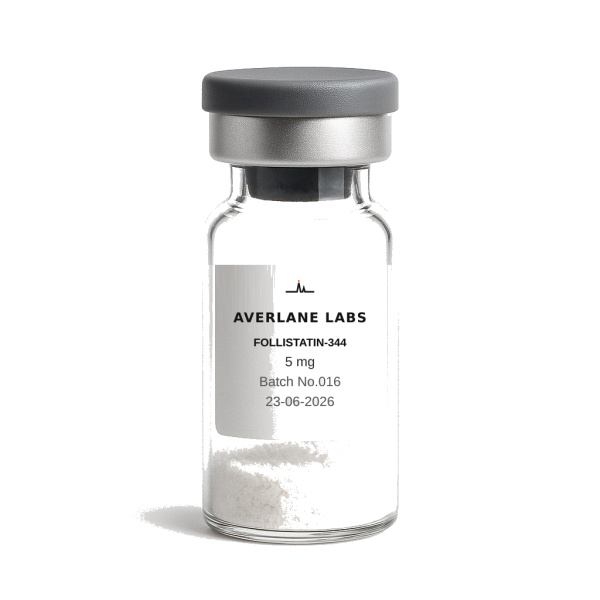
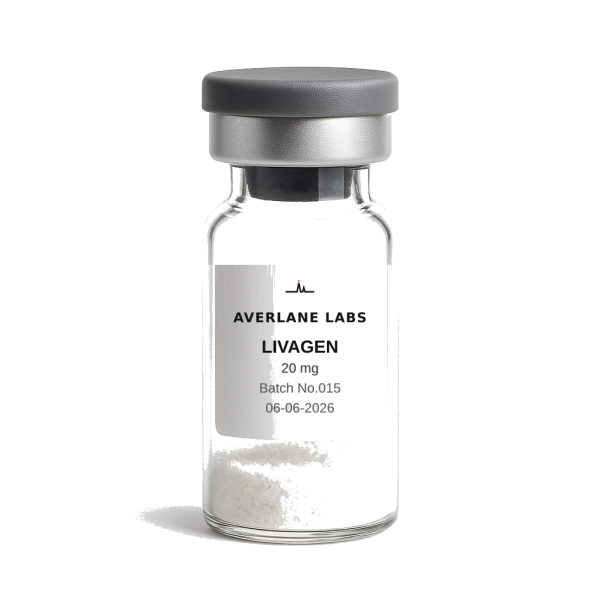
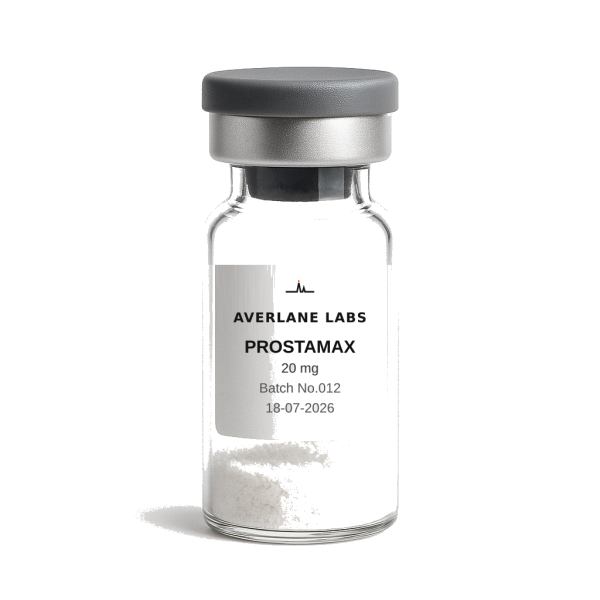
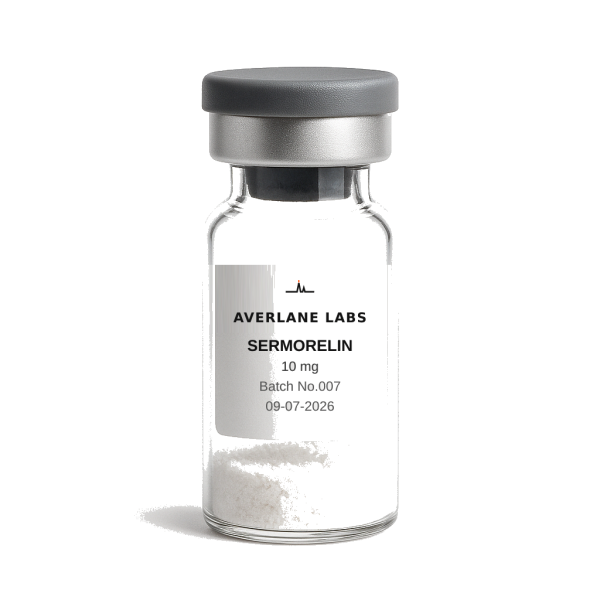
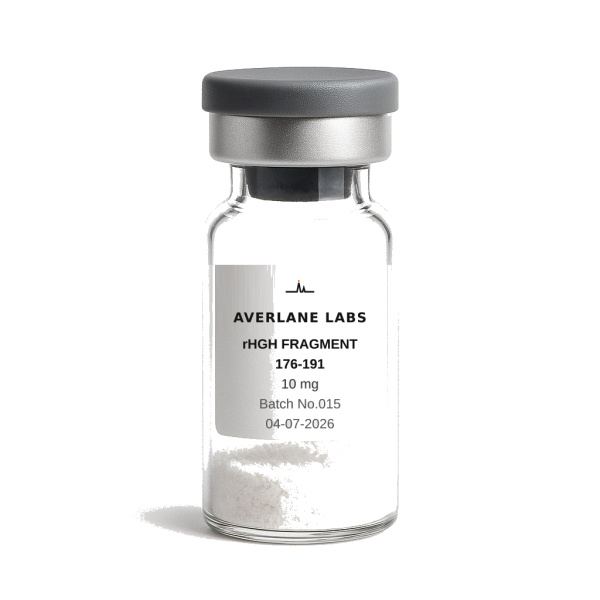
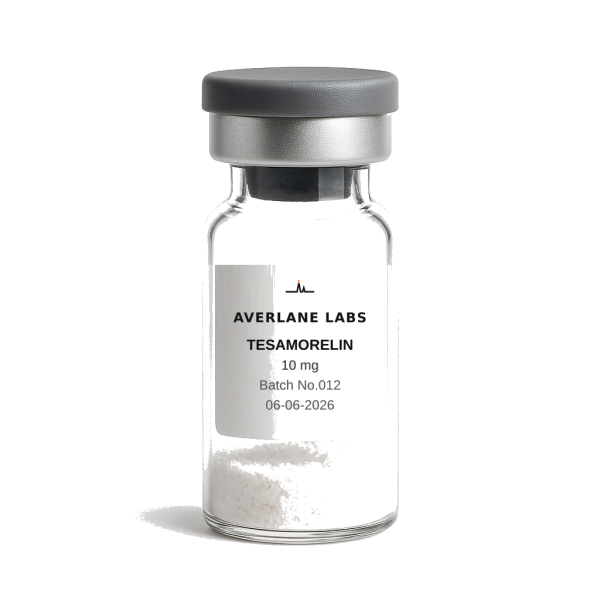
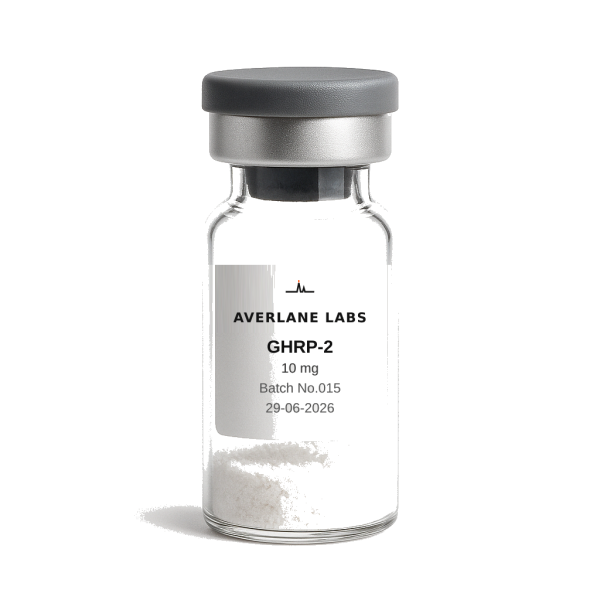
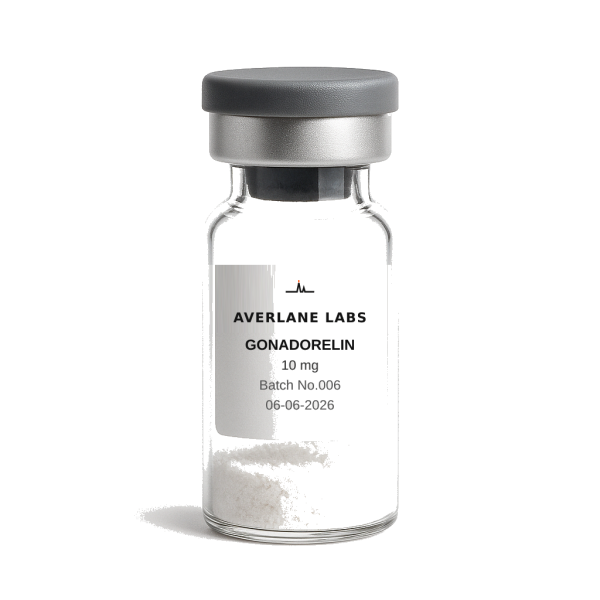
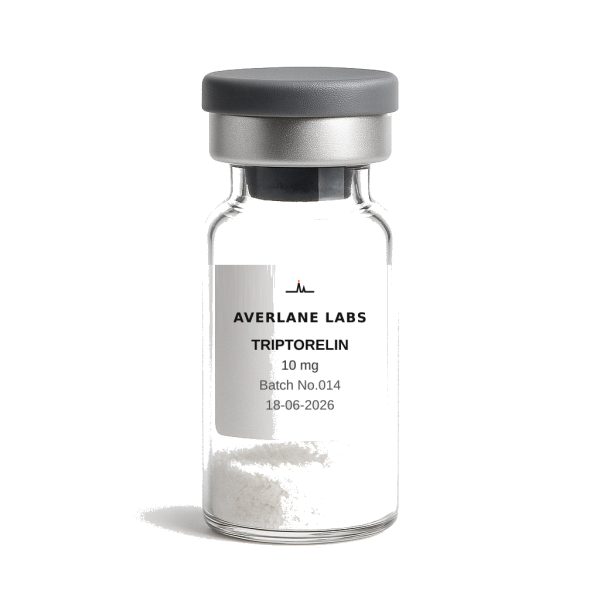
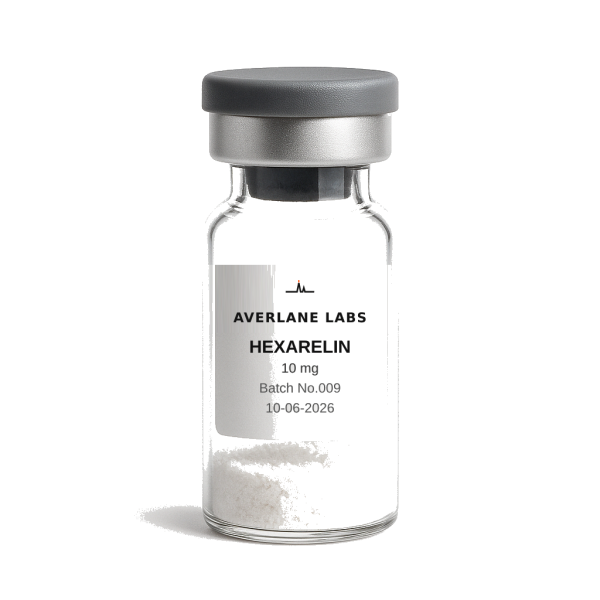
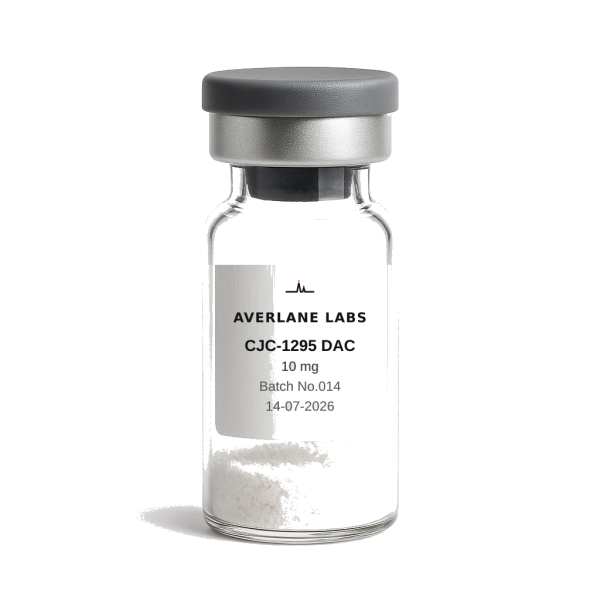
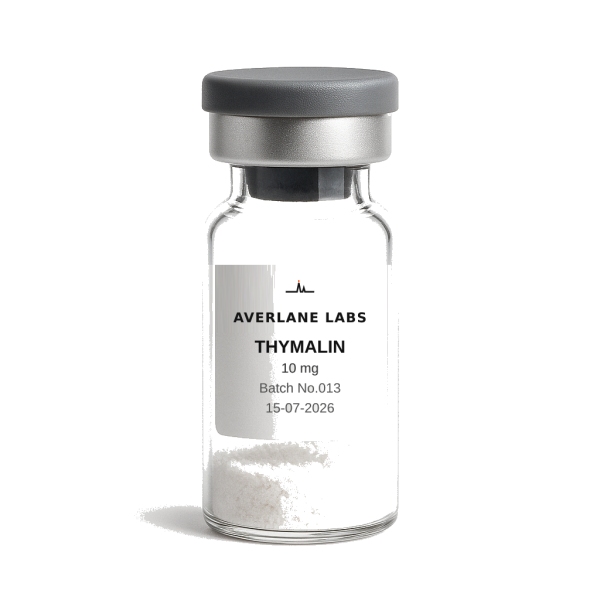
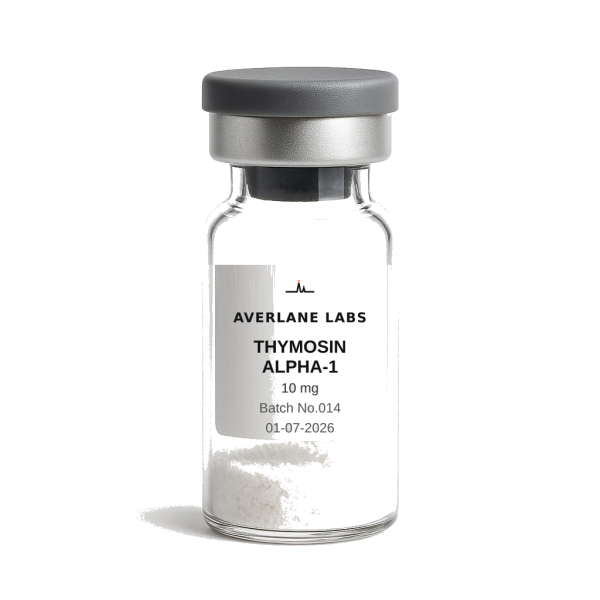
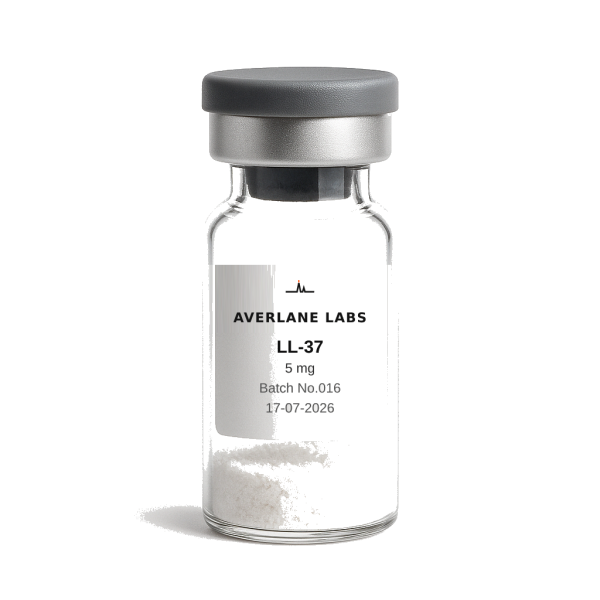
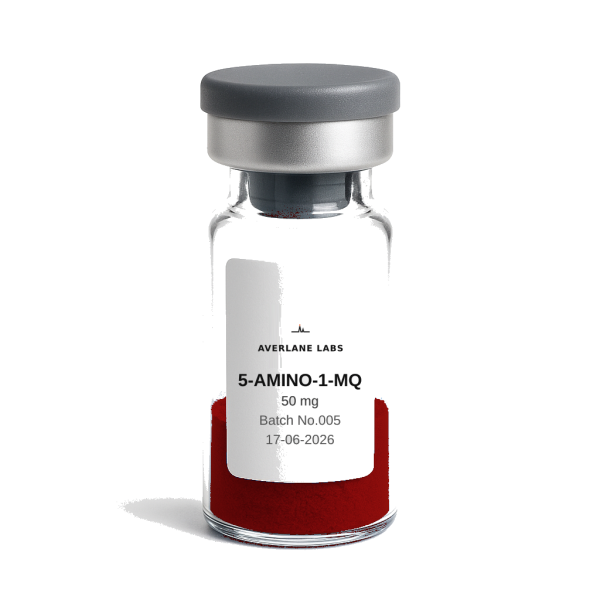
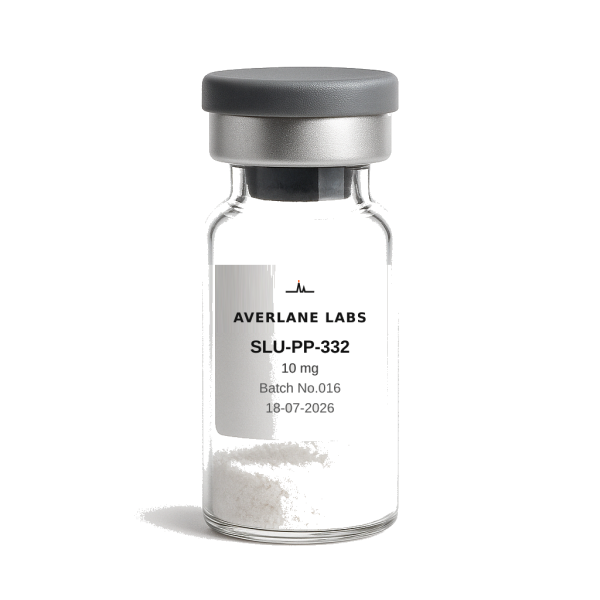
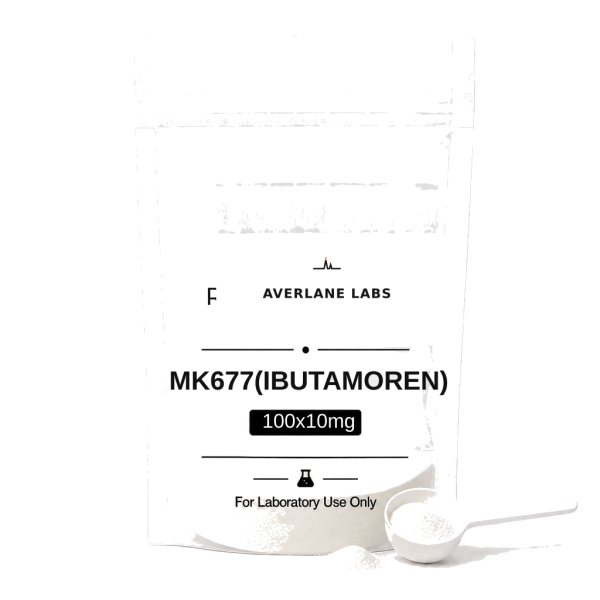
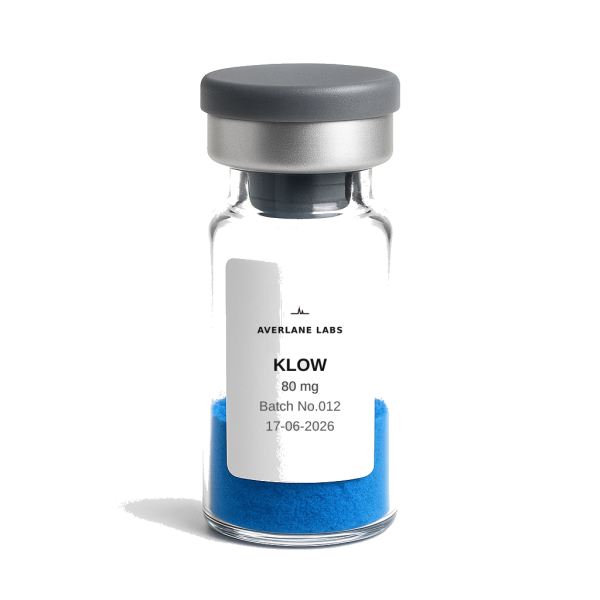
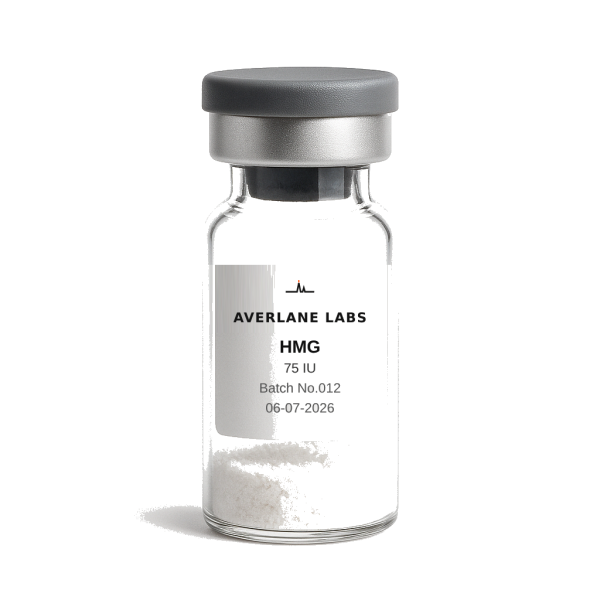
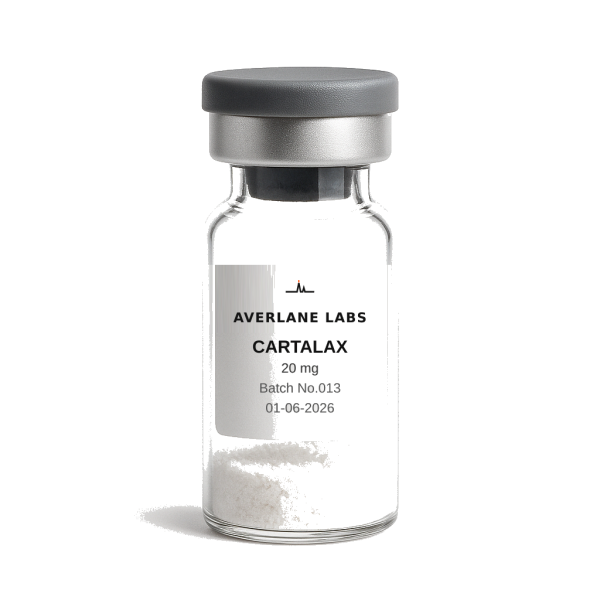
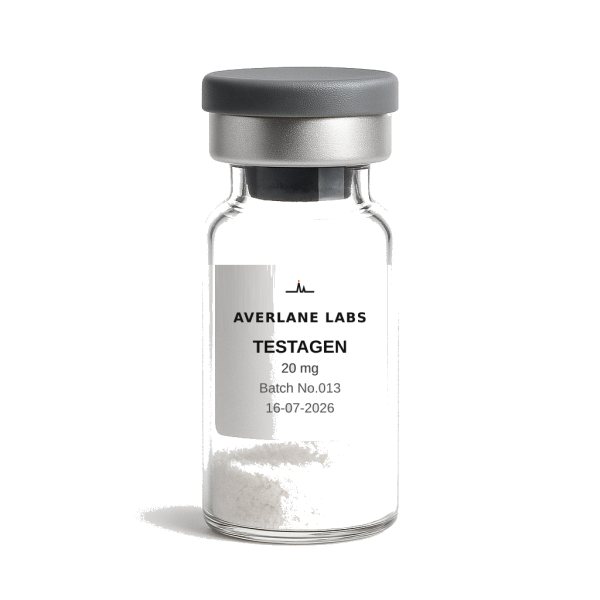
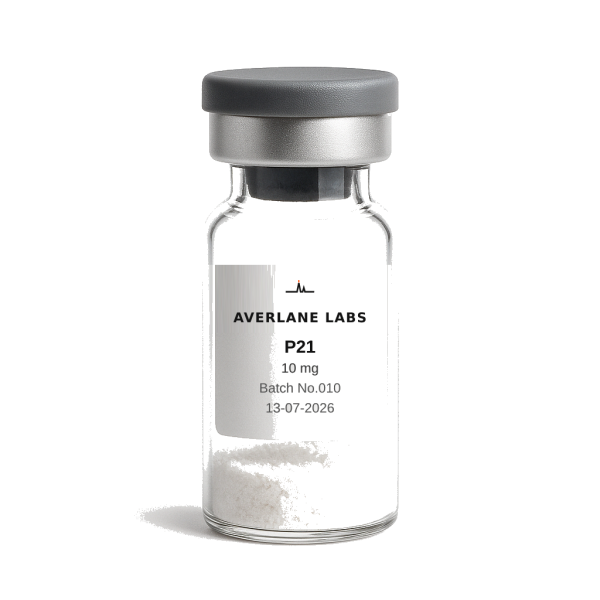
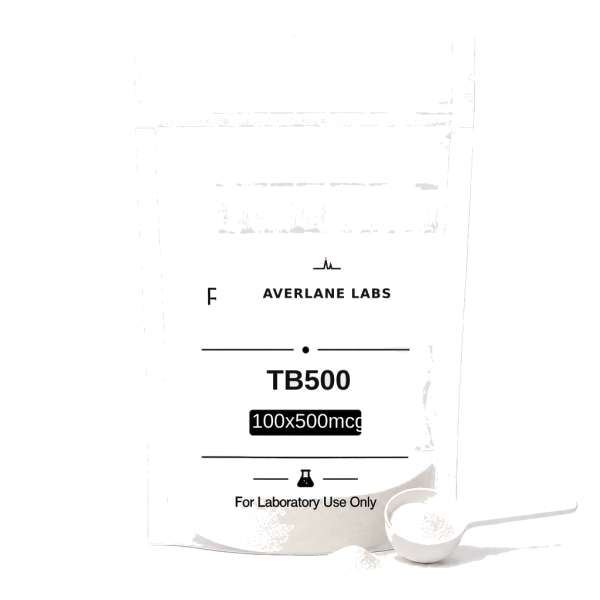
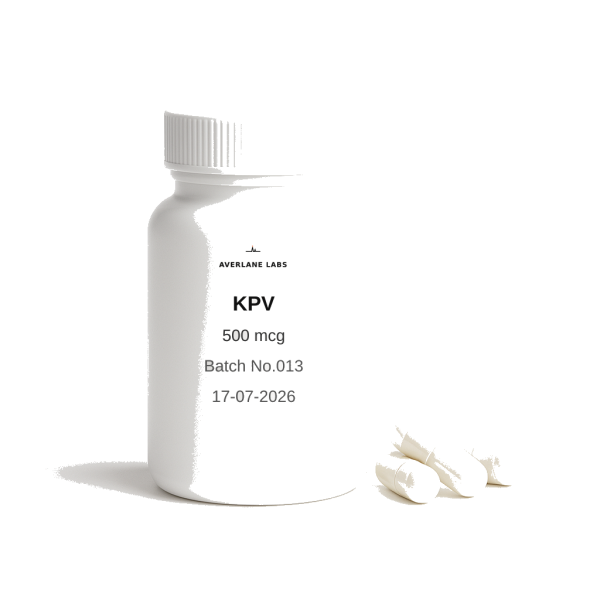
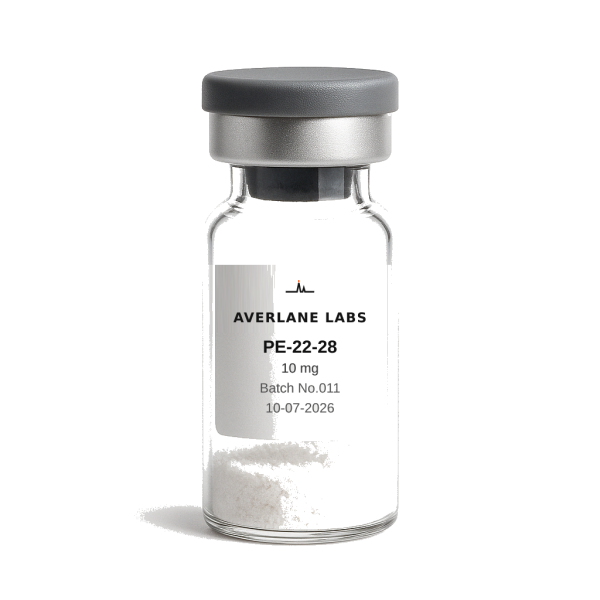
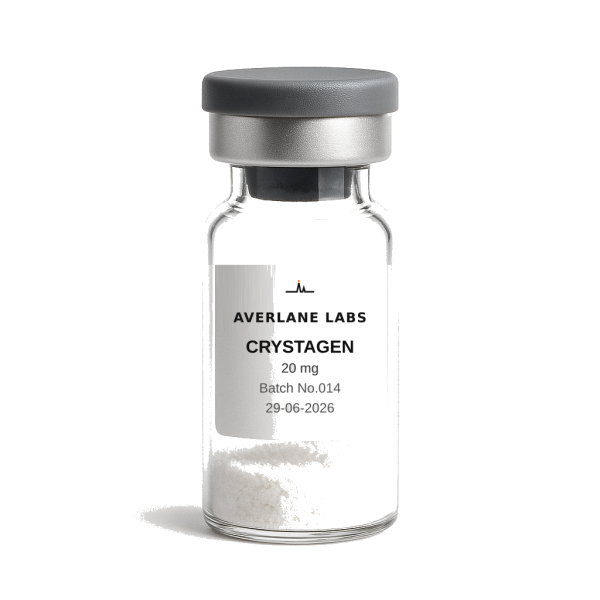
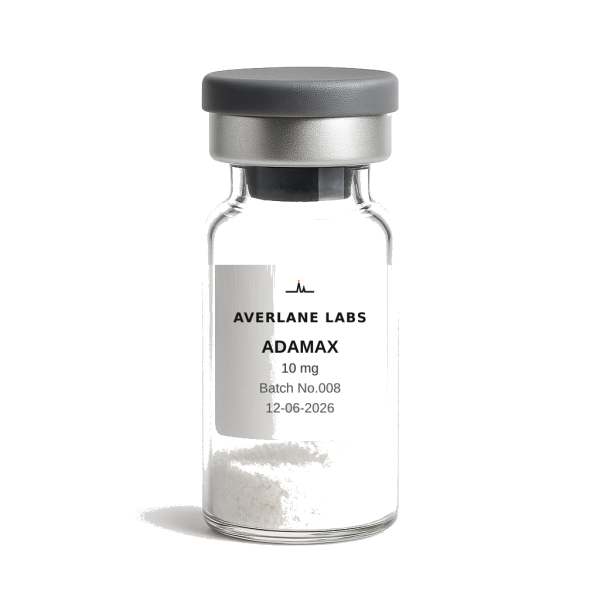
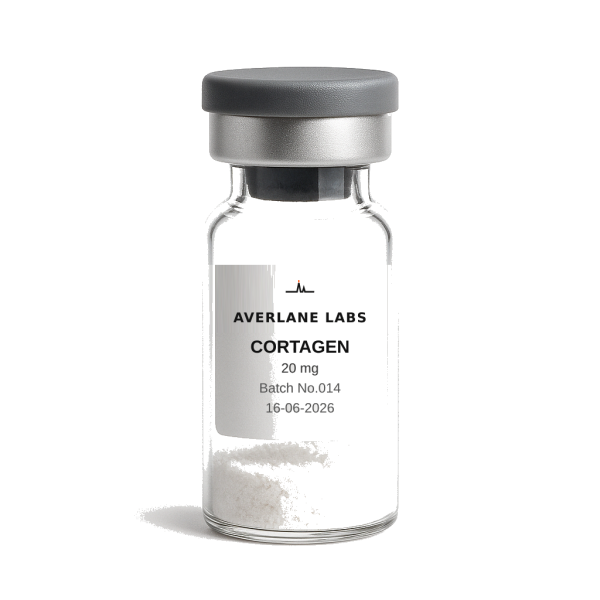
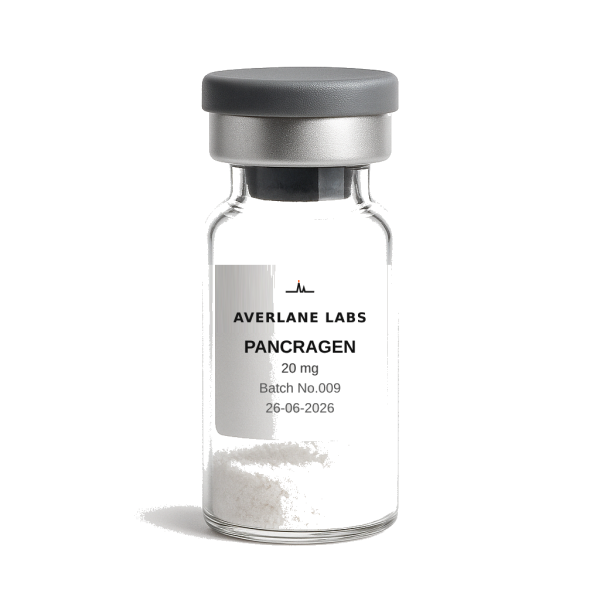
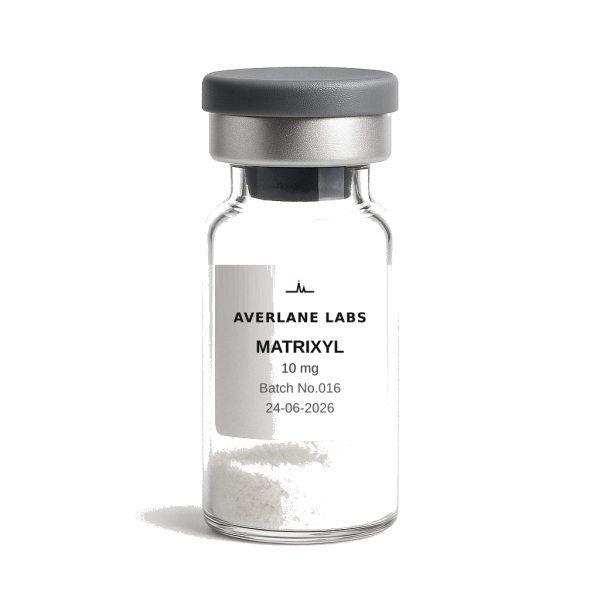
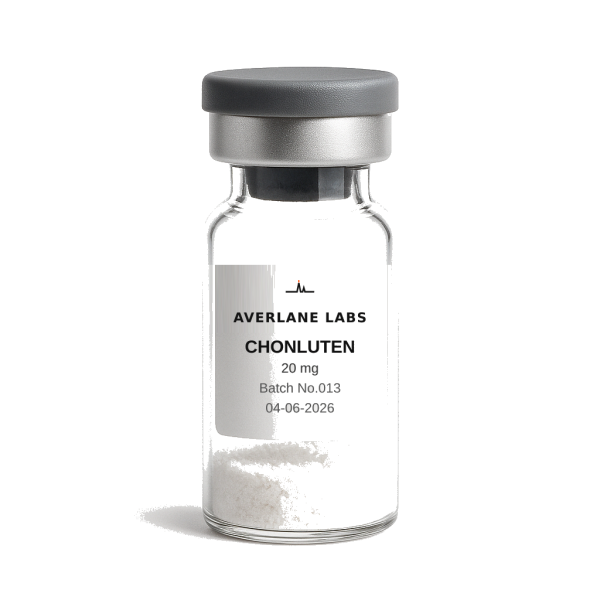
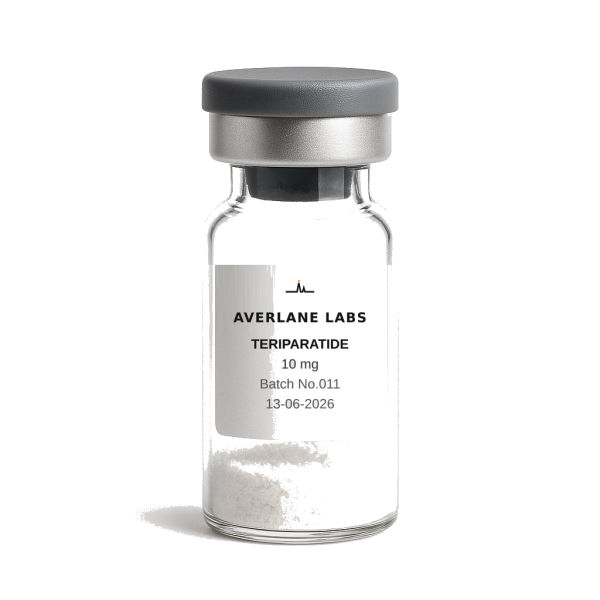
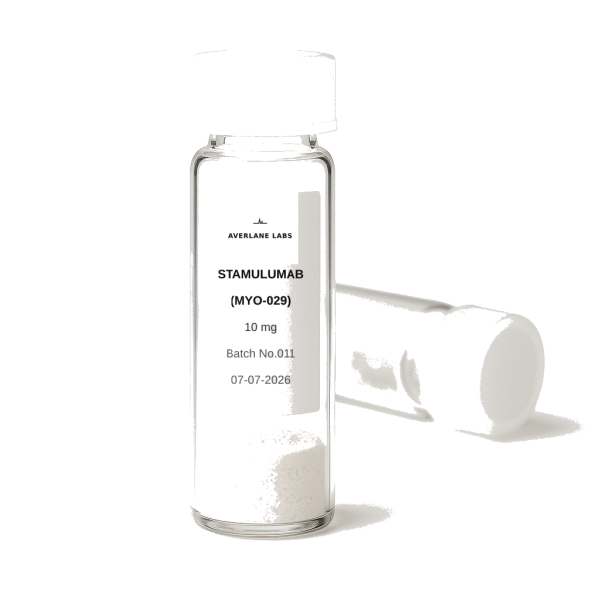
NOT FOR HUMAN CONSUMPTION
3-layer Type IIR medical masks are best viewed as standard surgical barrier devices, not high-filtration respirators. Their strength is droplet control + fluid (splash) resistance, not tight-seal aerosol filtration. The black color is purely cosmetic.
The evidence is clear and consistent on what they do well (droplet protection, source control), but more limited when people expect respirator-level protection (e.g. aerosols).
2. Additional benefits under investigation / practical use
| Benefit | Take-away |
|---|---|
| 1. Droplet transmission reduction | Strongest use case. Designed to block exhaled droplets and reduce spread from the wearer. |
| 2. Fluid / splash resistance | Type IIR specifically adds resistance to blood/body fluid splashes, important in medical settings. |
| 3. Source control (infection control) | Widely used in healthcare to protect patients from the wearer rather than vice versa. |
| 4. Basic wearer protection | Provides some protection from large particles/droplets, but not a tight seal. |
| 5. Comfort for long wear | Lightweight, breathable, designed for hours of use. |
| 6. Non-irritating materials | Often latex-free, hypoallergenic, soft polypropylene layers |
| 7. Easy scalability / mass use | Cheap, disposable, widely used in clinical workflows |
| 8. Not a respirator substitute | Does not provide the same protection as FFP2/FFP3 masks |
3. Mechanism of action (practical, not pharmacological)
3.1 “Filtration pharmacodynamics” (analogy to your peptide format)
These masks don’t act biologically, they act physically via layered filtration:
- Outer layer: hydrophobic → repels droplets/splashes
- Middle layer: melt-blown filter → captures particles (main filtration)
- Inner layer: absorbs moisture from breath
Typical Type IIR masks achieve ≥98% bacterial filtration efficiency (BFE)
3.2 Downstream function
| Mechanism | Outcome | Context |
|---|---|---|
| Mechanical filtration | Blocks droplets and particles | Infection control |
| Fluid resistance | Prevents penetration of splashes | Surgery / close-contact work |
| Barrier effect | Reduces contamination spread | Healthcare / public settings |
| Fit via nose strip + folds | Improves seal (but not airtight) | Everyday use |
Even with these mechanisms, they do not form a tight seal, which is the key limitation.
4. “Pharmacokinetics” (real-world performance)
Route: external (face-worn barrier)
Key real-world variables:
- Fit matters more than specs → leakage reduces effectiveness
- Wear time → typically recommended max ~3 hours
- Moisture buildup → reduces filtration efficiency over time
- Face shape variability → affects performance significantly
So unlike drugs, performance is user-dependent, not fixed.
5. Evidence base
5.1 Strong evidence (what they clearly do well)
- Reduce droplet spread from the wearer (source control)
- Provide barrier protection in medical settings
- Meet standardized performance under EN 14683 Type IIR
Typical specs:
- ≥98% BFE
- splash resistance
- 3-layer polypropylene construction
5.2 Mixed / weaker evidence
- Protection against aerosols (fine airborne particles)
- Effectiveness in poorly ventilated environments
- Performance compared to FFP2/N95 respirators
Main limitation: air leakage around edges, not filter failure.
5.3 Real-world interpretation
- Good for short-range droplet risk
- Less reliable for airborne transmission scenarios
6. Safety and tolerability
Generally very safe, with minor issues:
- Skin irritation (rare, usually material-related)
- Ear discomfort from loops
- Heat/moisture buildup
High-quality masks are often:
- latex-free
- fiberglass-free
- hypoallergenic
7. Contraindications and cautions
Use caution with:
- Assuming it protects like FFP2/N95 → it doesn’t
- Using it in high-risk aerosol environments
- Reusing masks → performance drops
- Poor fit (beard, loose seal) → major leakage
8. Comparative practical matrix
| Feature | Type IIR mask |
|---|---|
| Main strength | Droplet + splash protection |
| Best-supported use case | Healthcare, salons, close-contact work |
| Filtration | ≥98% BFE (bacteria) |
| Aerosol protection | Limited |
| Fit | Loose (not sealed) |
| Comfort | High |
| Core limitation | Leakage + no tight seal |
| Best framing | Barrier mask, not respirator |
9. Regulatory landscape
Type IIR masks fall under:
- EN 14683 (EU medical mask standard)
- CE-marked medical devices
They are regulated as medical protective equipment, not as respirators.
10. Future directions
Main improvements focus on:
- Better fit/seal without losing comfort
- Hybrid designs (mask + respirator features)
- Reusable or sustainable materials
- Improved moisture resistance and durability
Best balanced summary
3-layer Type IIR medical masks are reliable, well-understood barrier devices designed primarily for droplet control and fluid resistance. They are effective for healthcare and everyday close-contact environments, with strong evidence for source control and bacterial filtration. However, they are not designed to provide tight-seal aerosol protection, and their real-world effectiveness depends heavily on fit and correct use
Researcher reviews
No reviews yet for this lot line. Verified purchasers can leave the first one.
Reviews
There are no reviews yet.