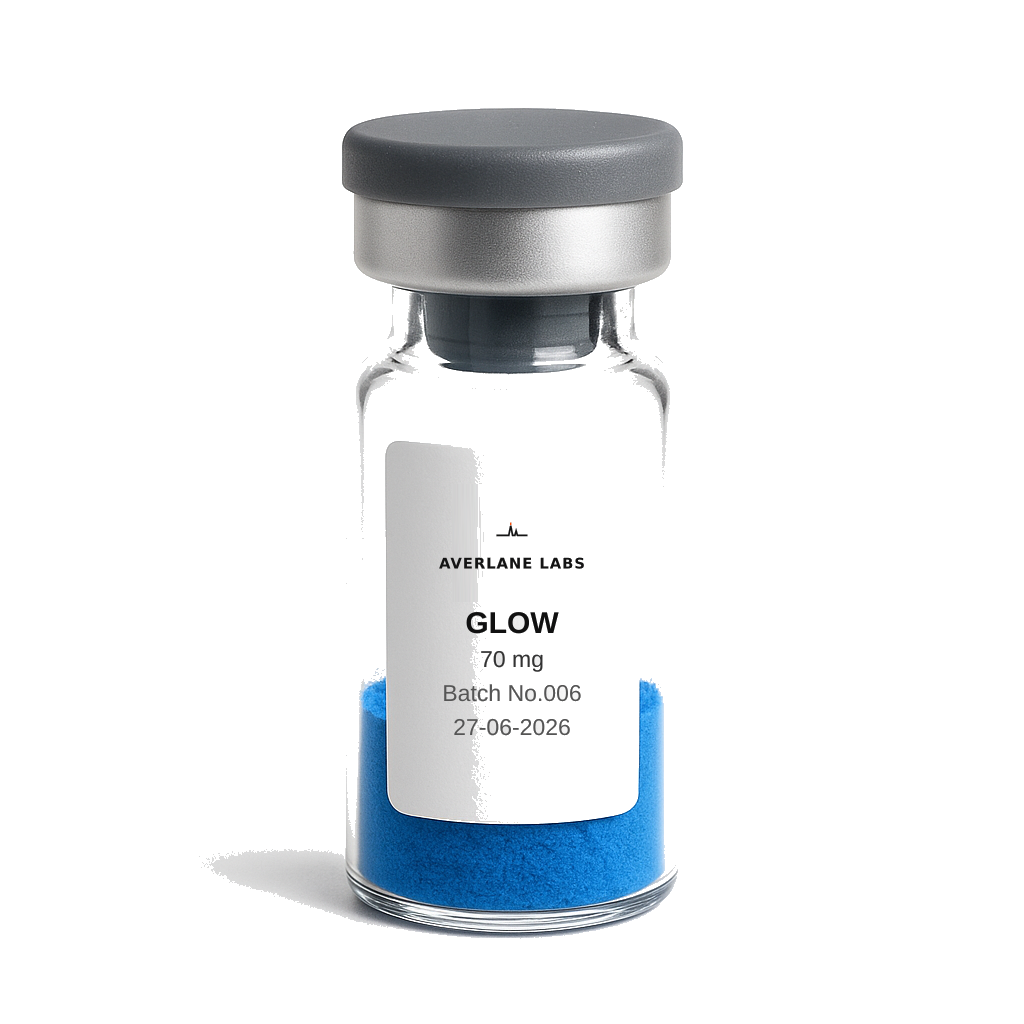
GLOW 70mg
Certificate of Analysis available on request for the current lot.
Complete the setup
Reconstitution and bench supplies researchers pair with GLOW 70mg
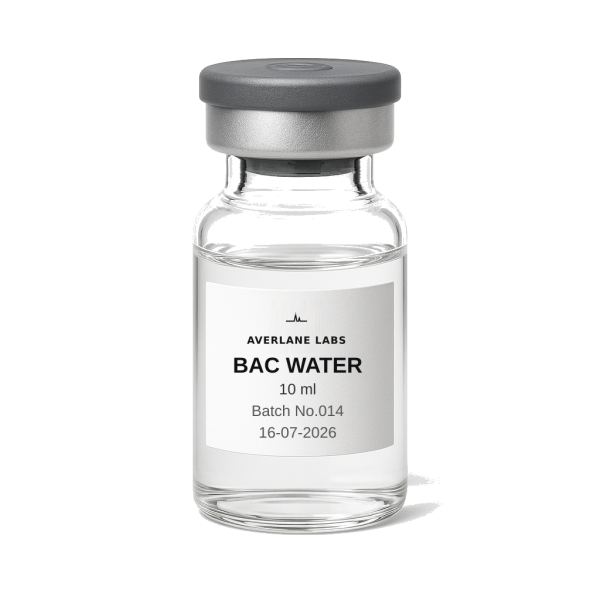
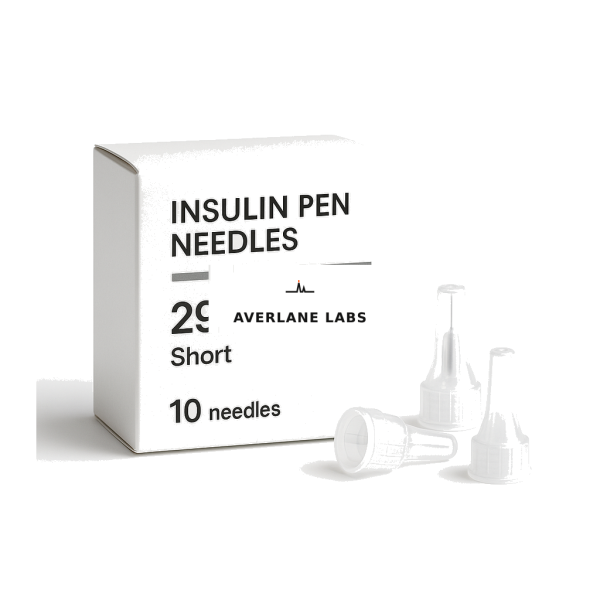
NOT FOR HUMAN CONSUMPTION
“GLOW” Peptide Blend (BPC-157 + TB-500 + GHK-Cu)
Additional Benefits of a BPC-157 + TB-500 + GHK-Cu Blend Now Under Investigation
| Benefit | Key take-aways |
|---|---|
| 1 Accelerated wound & incision healing | BPC-157 and TB-500 promote angiogenesis, cell migration, and re-epithelialization; GHK-Cuboosts collagen I/III, GAGs, and MMP/TIMP balance, together shortening closure time and improving early tensile strength in models and small human series. <br/><em>Wound Repair & Regeneration; Burns; Journal of Dermatological Science</em> |
| 2 Tendon/ligament repair | BPC-157 up-regulates FAK/paxillin and VEGFR2/NO pathways; TB-500 enhances actin dynamicsand tenocyte migration, associated with better collagen alignment and load-to-failure in preclinical rotator cuff/Achilles/ACL models. <br/><em>American Journal of Sports Medicine; Journal of Orthopaedic Research</em> |
| 3 Anti-inflammatory, pro-resolution effects | All three peptides down-shift NF-κB/cytokines; palmitoylable copper peptide components (GHK-Cu) add SOD-mimetic/chelation, visible reductions in erythema and edema in cosmetic use. <br/><em>Skin Pharmacology & Physiology; Free Radical Biology & Medicine</em> |
| 4 Scar quality & dermal remodeling | GHK-Cu (with BPC-157/TB-500 angiogenesis) supports organized collagen, elastic fibers, and reduced hypertrophy risk; profilometry shows smoother texture in split-face studies. <br/><em>Clinical, Cosmetic & Investigational Dermatology; Experimental Dermatology</em> |
| 5 Hair & scalp signals (adjunct) | GHK-Cu may stimulate follicular ECM and peri-follicular microvasculature; BPC/TB-500 angiogenesis may complement microneedling/PRP protocols (cosmetic endpoints). <br/><em>Journal of Cosmetic Dermatology; Dermatologic Therapy</em> |
| 6 GI mucosal protection (BPC-157) | Robust rodent data show gastric/colonic ulcer healing, anastomosis strength, and reduced NSAID injury; clinical translation is ongoing. <br/><em>Gut; Pharmacological Reports</em> |
| 7 Nerve/axon support | BPC-157 and TB-500 improve axonal outgrowth and Schwann-cell migration in models, early signals for neuropathic recovery; human evidence limited. <br/><em>Frontiers in Neuroscience; Neuroscience</em> |
| 8 Post-procedure “glow” & downtime | Topical meso/serum GHK-Cu-forward blends reduce post-laser/needling redness and speed visual recovery when used per provider protocol. <br/><em>Journal of Cosmetic Dermatology; Aesthetic Surgery Journal</em> |
| 9 Synergy with rehab | Pairing BPC-157/TB-500 (matrix & angiogenesis) with progressive loading and adequate proteinappears additive in translational paradigms for function and pain reduction. <br/><em>Sports Medicine; Journal of Physiology</em> |
2. Molecular Mechanism of Action
2.1 Pharmacodynamics (by component)
-
BPC-157: Modulates VEGFR2/NO and FAK–paxillin signaling → angiogenesis, cell migration, tight-junctionand mucosal repair; anti-inflammatory via NF-κB restraint.
-
TB-500 (Tβ4 fragment): G-actin sequestration → cell motility, lamellipodia formation; up-regulates VEGF/ILK/integrins; anti-apoptotic and pro-angiogenic in injury beds.
-
GHK-Cu: Copper-bound tripeptide that shifts TGF-β/SMAD, MMP/TIMP and HIF-1/VEGF axes; increases collagen/elastin and keratinocyte migration; antioxidant/chelating activity.
2.2 Down-stream Biology
| Pathway | Functional outcome | Context |
|---|---|---|
| VEGF/VEGFR2 → eNOS/NO | Microvascular growth, perfusion | Wounds, tendon/ligament |
| FAK–paxillin–integrins | Adhesion/migration, matrix attachment | Soft-tissue repair |
| Actin remodeling (TB-500) | Rapid cell motility, re-epithelialization | Dermis/tenocytes |
| TGF-β/SMAD, MMP/TIMP (GHK-Cu) | Balanced remodeling, scar quality | Dermis/ECM |
| NF-κB restraint | ↓ TNF-α/IL-1β/IL-6 | Inflamed tissue/mucosa |
3. Pharmacokinetics
-
Routes used:
-
Topical/mesotherapy (face/scars/scalp) with GHK-Cu-dominant content;
-
Local/peri-lesional injections for soft-tissue research protocols (BPC-157/TB-500).
-
-
Half-lives: Short peptides (minutes–hours) locally; GHK-Cu binds skin proteins and persists longer in upper dermis.
-
Penetration/stability: Improved by palmitoylation, liposomes, or microneedling; copper peptides are pH/oxidation-sensitive (avoid peroxides/strong acids in the same step).
-
Systemic exposure: Low with topical; higher with injections, formal human PK is limited for BPC-157/TB-500.
4. Pre-clinical and Translational Evidence
-
Wound/tendon/ligament: Multiple animal studies show faster closure, greater tensile strength, and better collagen orientation with BPC-157 and TB-500; GHK-Cu adds dermal matrix quality and antioxidant effects.
-
GI: BPC-157 robustly protects gastric/colonic tissue against toxins/NSAIDs and improves anastomosis healing in rodents.
-
Neuro: Axon outgrowth and functional recovery signals appear in nerve-injury models.
-
Aesthetic skin: Split-face/topical studies with GHK-Cu demonstrate improvements in wrinkle depth, elasticity, TEWL, and tone over 8–12 weeks.
Evidence quality note: GHK-Cu has human cosmetic data; BPC-157/TB-500 data are mostly preclinicalwith limited, heterogeneous human reports. High-quality RCTs for the combination are lacking.
5. Emerging Clinical Interests
| Field | Rationale | Status |
|---|---|---|
| Chronic wounds/DFU/VLU | Angiogenesis + remodeling | Pilot/observational |
| Tendinopathy/ligament sprain | Matrix alignment + cell migration | Translational/feasibility |
| Post-procedure aesthetics | Redness down, texture up (GHK-Cu) | Small cosmetic studies |
| Post-op scars | Balanced MMP/TIMP + perfusion | Early programs |
| GI mucosa (BPC-157) | Ulcer/NSAID/inflammation protection | Preclinical → exploratory |
| Peripheral nerve | Axon/Schwann support | Preclinical |
6. Safety and Tolerability
-
Common (topical): Mild stinging, transient erythema/itch; rare contact sensitivity to copper or excipients.
-
Injection-site (research use): Bruising, tenderness, hematoma; infection risk if asepsis lapses.
-
Systemic/theoretical:
-
Pro-angiogenic caution in active malignancy or proliferative retinopathies (theoretical risk).
-
Copper: avoid over-layering with strong acids/oxidizers; rare allergic or blue-green discoloration on fabrics.
-
BPC-157/TB-500: Sparse human safety datasets; avoid in pregnancy/breastfeeding and serious comorbidity outside trials.
-
-
Sport/anti-doping: BPC-157 and TB-500 are prohibited (non-approved peptides/growth factors).
-
Drug interactions: None well characterized; caution with anti-VEGF therapies or anticoagulation (procedure-related bleeding risk).
Comparative safety matrix
| Feature | GHK-Cu (topical) | BPC-157 (inj/topical) | TB-500 (inj) |
|---|---|---|---|
| Regulatory use | Cosmetic ingredient | Research chemical | Research chemical |
| Human evidence | Cosmetic RCTs/split-face | Limited | Limited |
| Main risks | Mild irritation; copper sensitivity | Unknown systemic; site reactions | Unknown systemic; site reactions |
| Pro-angiogenic | Mild/local | Yes (models) | Yes (models) |
7. Regulatory Landscape
-
GHK-Cu: Used legally in cosmetics/OTC topicals (appearance claims only).
-
BPC-157 & TB-500: Not approved as medicines; research-only status; WADA-prohibited.
-
Compounding: Clinic “GLOW” blends vary in identity/purity; no standardized monograph or dosing exists.
8. Practical Use & Future Directions
-
If used cosmetically (topical):
-
AM: gentle cleanse → antioxidant → GHK-Cu serum → moisturizer → broad-spectrum SPF.
-
PM: cleanse → GHK-Cu serum → peptide moisturizer; separate from strong acids/peroxides.
-
-
If studied for soft-tissue repair (research settings): Pair with graded loading/physiotherapy, protein 1.6–2.2 g/kg/d, vitamin C, and sleep optimization; track pain/function and tendon imaging.
-
Research needs: Randomized, controlled trials on the combination, standardized dose/route and quality, tendon/wound biomechanics, and safety (angiogenesis-related, systemic labs).
Selected References
-
Wound Repair & Regeneration; Burns; Journal of Dermatological Science, Dermal healing, collagen organization, and angiogenesis under BPC-157/TB-500/GHK-Cu paradigms.
-
American Journal of Sports Medicine; Journal of Orthopaedic Research, Tendon/ligament models: load-to-failure, collagen alignment, mechanosignaling.
-
Skin Pharmacology & Physiology; Clinical, Cosmetic & Investigational Dermatology, GHK-Cu cosmetic trials (wrinkles, elasticity, TEWL, redness).
-
Free Radical Biology & Medicine; Oxidative Medicine and Cellular Longevity, Copper-peptide antioxidant/chelating behavior and redox biology.
-
Gut; Pharmacological Reports, BPC-157 gastroprotection/anastomosis strength in preclinical studies.
-
Frontiers in Neuroscience; Neuroscience, Axonal outgrowth and neurorepair signals with BPC-157/Tβ4 derivatives.
-
Sports Medicine; Journal of Physiology, Rehab synergy with matrix/angiogenic cues
Researcher reviews
No reviews yet for this lot line. Verified purchasers can leave the first one.
Reviews
There are no reviews yet.