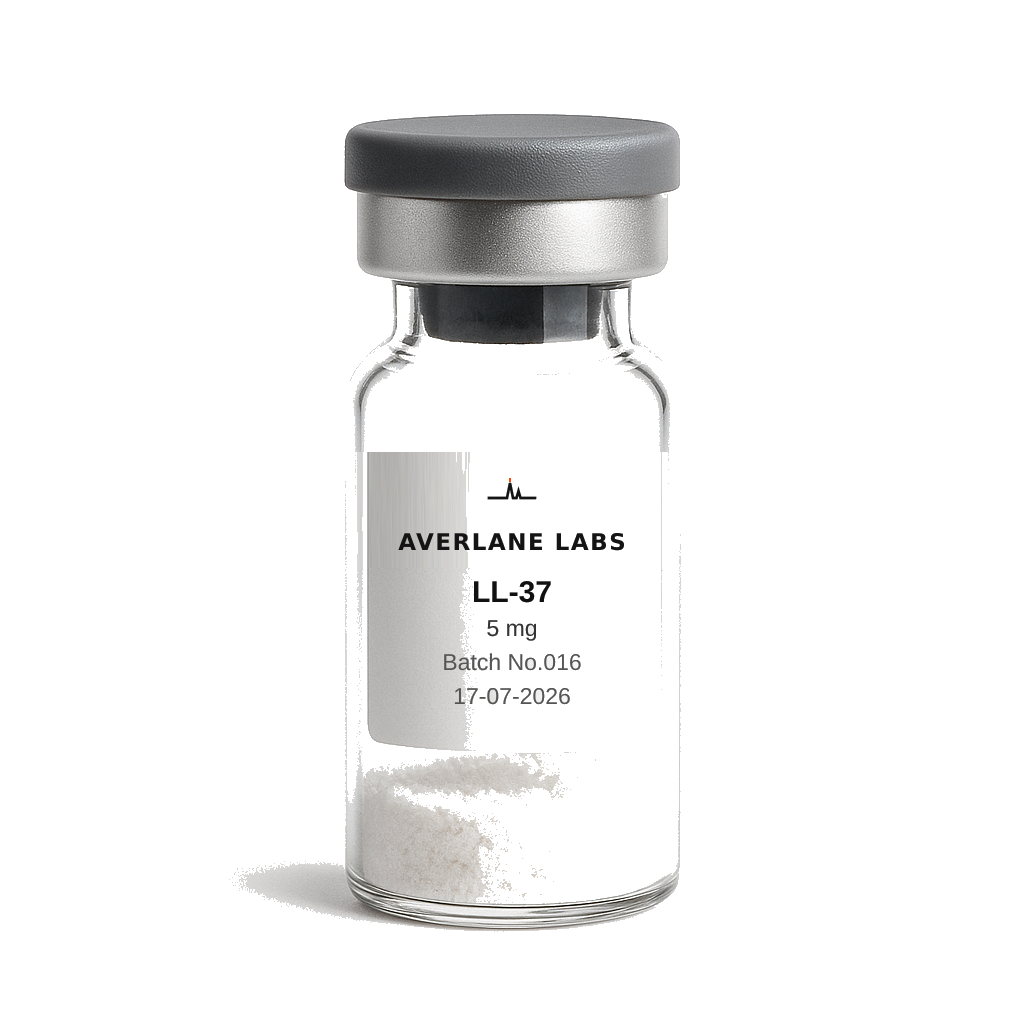
LL-37 5mg vial
Certificate of Analysis available on request for the current lot.
Complete the setup
Reconstitution and bench supplies researchers pair with LL-37 5mg vial
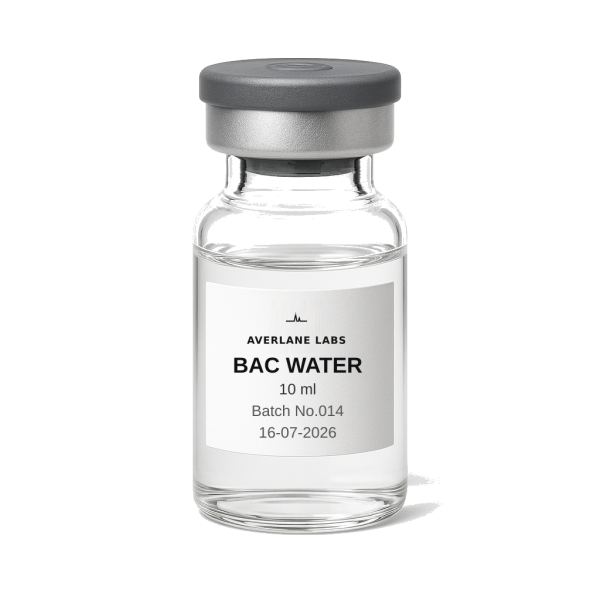
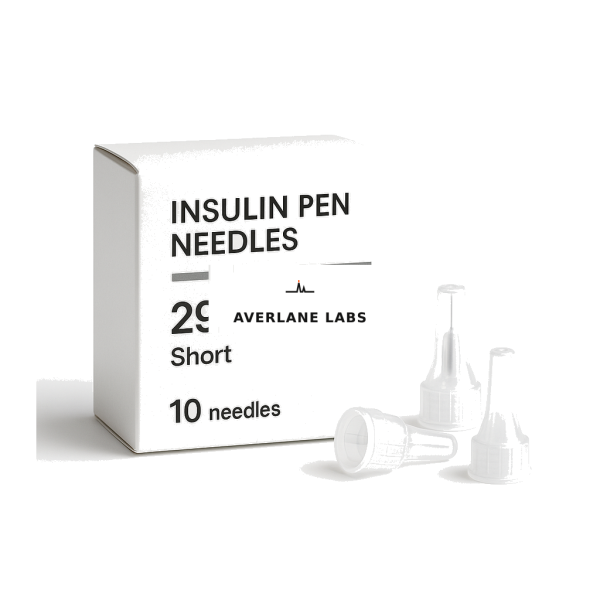
NOT FOR HUMAN CONSUMPTION
LL-37 is the 37–amino-acid, C-terminal human cathelicidin peptide generated from the *CAMP* gene product hCAP18by proteolysis (e.g., proteinase-3). It is an amphipathic α-helical host-defense peptide (HDP) that combines direct, rapid microbicidal activity (bacteria, some fungi and enveloped viruses) with potent immunomodulation: chemotaxis, dendritic-cell licensing, angiogenesis, epithelial repair, endotoxin neutralization, and biofilm disruption. Unlike conventional antibiotics, LL-37 acts via membrane perturbation and immune signalling, reducing classical resistance pressure; however, organisms can adapt (surface charge remodeling, proteases). No LL-37 product is FDA/EMA-approved; several topical/inhaled candidates and analogs are in clinical development.
Additional Benefits of LL-37 Now Under Investigation
| Benefit | Key take-aways |
|---|---|
| 1 Broad-spectrum antimicrobial & antibiofilm | Rapid killing of Gram-positive/negative bacteria and biofilm disruption (including P. aeruginosa, S. aureus), with synergy to β-lactams, glycopeptides, and quinolones. <br/><em>Antimicrobial Agents & Chemotherapy; Journal of Antimicrobial Chemotherapy</em> |
| 2 Endotoxin (LPS/LTA) neutralization | Direct binding to LPS/LTA blunts TLR4/2 signalling → lower TNF-α/IL-6; improves survival surrogates in endotoxemia models. <br/><em>Infection & Immunity; Shock</em> |
| 3 Wound healing & re-epithelialization | Stimulates keratinocyte migration, angiogenesis (VEGF), and granulation tissue, accelerating closure of venous/diabetic ulcers in early clinical studies. <br/><em>Wound Repair & Regeneration; The Lancet EBioMedicine</em> |
| 4 Antiviral activity (enveloped viruses) | Interferes with viral envelopes and enhances innate antiviral genes; in vitro activity vs influenza/RSV/coronaviruses; clinical translation ongoing. <br/><em>Journal of Virology; Frontiers in Immunology</em> |
| 5 Respiratory host defense | Augments airway epithelial barrier, mucus clearance, and bacterial clearance; inhaled/neb formulations under study for CF/bronchiectasis colonization. <br/><em>American Journal of Respiratory Cell and Molecular Biology; Thorax</em> |
| 6 Dental/periodontal applications | Reduces periodontal pathogens and biofilms; promotes gingival fibroblast repair, evaluated as a locally delivered adjunct to scaling/root planing. <br/><em>Journal of Clinical Periodontology; Journal of Periodontal Research</em> |
| 7 Ophthalmology (infectious keratitis) | Topical LL-37 analogs enhance corneal epithelial healing and reduce microbial load in preclinical keratitis models. <br/><em>Investigative Ophthalmology & Visual Science; Cornea</em> |
| 8 Anti-inflammatory immune tuning | Context-dependent modulation: boosts chemotaxis (via FPR2/ALX) and NET clearance, yet can limit excessive NF-κB activation, useful in chronic inflammatory wounds. <br/><em>Nature Communications; Journal of Immunology</em> |
| 9 Oncology (bidirectional signals) | At micromolar ranges, LL-37 can be anti-tumoral (membranolysis, immune activation) in some cancers, yet pro-tumoral in others (e.g., pro-angiogenic in certain epithelial tumors); applications focus on tumor-selective analogs. <br/><em>Cancer Research; Oncogene</em> |
2. Molecular Mechanism of Action
2.1 Pharmacodynamics / Receptors
-
Direct antimicrobial: Amphipathic helix inserts into microbial membranes → carpet/pore mechanisms → rapid lysis.
-
Pattern neutralization: Binds LPS/LTA and nucleic acids, reducing TLR over-activation.
-
Immunomodulation: Engages FPR2/ALX, P2X7, and transactivates EGFR on epithelia; chemoattracts neutrophils, monocytes, T cells; promotes angiogenesis.
-
Autoimmunity context: Complexes with self-DNA/RNA can trigger pDC TLR9/7 and type-I IFN, implicated in psoriasis pathogenesis (caution in susceptible patients).
2.2 Down-stream Biology
| Pathway | Functional outcome | Context |
|---|---|---|
| Membrane perturbation | Bactericidal, antifungal, antiviral (enveloped) | Pathogens/biofilms |
| TLR decoy (LPS/LTA binding) | ↓ NF-κB, ↓ TNF-α/IL-6 | Sepsis/endotoxemia, wounds |
| FPR2/ALX signalling | Chemotaxis, angiogenesis, resolution cues | Neutrophils, endothelium |
| EGFR transactivation | Keratinocyte migration, re-epithelialization | Skin/cornea |
| P2X7 & NET modulation | NET clearance, controlled inflammasome | Innate immunity |
3. Pharmacokinetics
-
Route/formulations: Topical gels/creams, wound dressings, intranasal/inhaled aerosols; parenteral use is experimental.
-
Half-life: Short minutes–hours in protease-rich environments (wounds, lung); activity extended by hydrogels, liposomes, PEGylation, D-amino-acid analogs, or cyclization.
-
Distribution: Predominantly local at administration site; strong binding to GAGs and extracellular matrix.
-
Clearance: Proteolysis (neutrophil elastase, trypsin-like proteases); minimal CYP involvement.
4. Pre-clinical and Translational Evidence
4.1 Chronic Wounds
Topical LL-37/analogs improved healing rates and time-to-closure in small RCTs of venous leg ulcers and pilot diabetic foot ulcer studies; reductions in bioburden and improved granulation were reported.
4.2 ENT / Respiratory
OP-145 (LL-37-derived) showed clinical signals in chronic suppurative otitis media; intranasal/inhaled candidates reduce pathogen burden and mucus viscosity in CF/bronchiectasis models.
4.3 Dentistry
Locally delivered LL-37 adjuncts improved clinical attachment level and reduced pathogen counts vs debridement alone in early trials.
4.4 Antiviral / ARI
In vitro inhibition of influenza and coronaviruses; small, phenotype-selected trials are exploring upper-airway symptom duration and viral load outcomes.
Evidence quality note: Many studies are early-phase/small; heterogeneity in peptide versions, delivery systems, and endpoints remains a limitation.
5. Emerging Clinical Interests
| Field | Rationale | Current status |
|---|---|---|
| Chronic wounds (DFU/VLU) | Antibiofilm + pro-healing dual action | Phase 1/2; device-drug dressings |
| CF/bronchiectasis colonization | Inhaled antibiofilm therapy | Translational/early clinical |
| CRS/otitis media | Topical anti-infective with low resistance risk | Small clinical studies |
| Periodontitis/mucositis | Local antimicrobial + tissue repair | Pilot trials |
| Ophthalmic keratitis | Corneal healing + antimicrobial | Preclinical → early human feasibility |
| Sepsis adjunct | LPS neutralization and immune tuning | Preclinical/observational |
| Oncology (selective) | Tumor-targeted cytolysis/immune priming | Preclinical optimization |
6. Safety and Tolerability
-
Common (topical): Mild stinging, erythema, transient pruritus.
-
Systemic/respiratory (investigational): Occasional cough/bronchial irritation with inhaled forms.
-
Cytotoxicity window: High micromolar levels can injure host cells, necessitates controlled delivery.
-
Autoimmune caution: LL-37–nucleic acid complexes may exacerbate psoriasis/lupus-like pathways in predisposed individuals.
-
Microbiome: More sparing than broad antiseptics; resistance risk exists (charge remodeling, proteases) but is lower/different than for antibiotics.
Comparative safety matrix
| Concern | LL-37 (host-defense peptide) | Topical antibiotic (e.g., mupirocin) | Antiseptic (chlorhexidine/silver) |
|---|---|---|---|
| Biofilm penetration | High | Moderate | Low–moderate |
| Resistance selection | Low–moderate (non-classical) | Moderate–high | Low (but cytotoxic broadly) |
| Tissue repair effects | Pro-healing/angiogenic | Neutral | Often inhibitory/irritant |
| Microbiome disruption | Lower | Moderate | Higher (broad) |
| Irritation potential | Mild–moderate (dose-dependent) | Low | Variable; can be significant |
7. Regulatory Landscape
-
Approvals: None (major markets).
-
Clinical programs: Topical gels/dressings and inhaled/nasal formulations in early trials; LL-37-derived analogs(e.g., OP-145, SAAP-class) advancing as antibiofilm agents.
-
Manufacturing: Peptide synthesis under GMP; stability and protease susceptibility drive formulation innovation.
8. Future Directions
-
Formulation engineering: Protease-resistant analogs, nanocarriers, and smart hydrogels for sustained local delivery.
-
Phenotype-guided trials: Target biofilm-heavy, chronic wounds, CF bronchiectasis, and recalcitrant sinus disease with standardized biofilm endpoints.
-
Combination therapy: Synergy with β-lactams/vancomycin/quinolones to shorten courses and curb resistance.
-
Biomarker strategy: Measure LPS-neutralization, cytokine signatures, and microbiome shifts alongside clinical outcomes.
-
Safety focus: Screen for autoimmune flare risk (psoriasis history), optimize local dosing windows.
Selected References
-
Antimicrobial Agents & Chemotherapy; Journal of Antimicrobial Chemotherapy, Antimicrobial and antibiofilm profiles, synergy with antibiotics.
-
Infection & Immunity; Shock, Endotoxin/LTA neutralization and cytokine modulation.
-
Wound Repair & Regeneration; The Lancet EBioMedicine, Clinical signals in venous/diabetic ulcers and tissue repair mechanisms.
-
American Journal of Respiratory Cell and Molecular Biology; Thorax, Airway defence and inhaled peptide studies.
-
Journal of Clinical Periodontology; Journal of Periodontal Research, Periodontal adjunctive therapy data.
-
Investigative Ophthalmology & Visual Science; Cornea, LL-37 analogs in corneal infection/repair.
-
Nature Communications; Journal of Immunology, FPR2/ALX signalling, immune tuning, NET biology.
-
Cancer Research; Oncogene, Context-dependent oncologic roles and tumor-selective analog development.
Researcher reviews
No reviews yet for this lot line. Verified purchasers can leave the first one.
Reviews
There are no reviews yet.