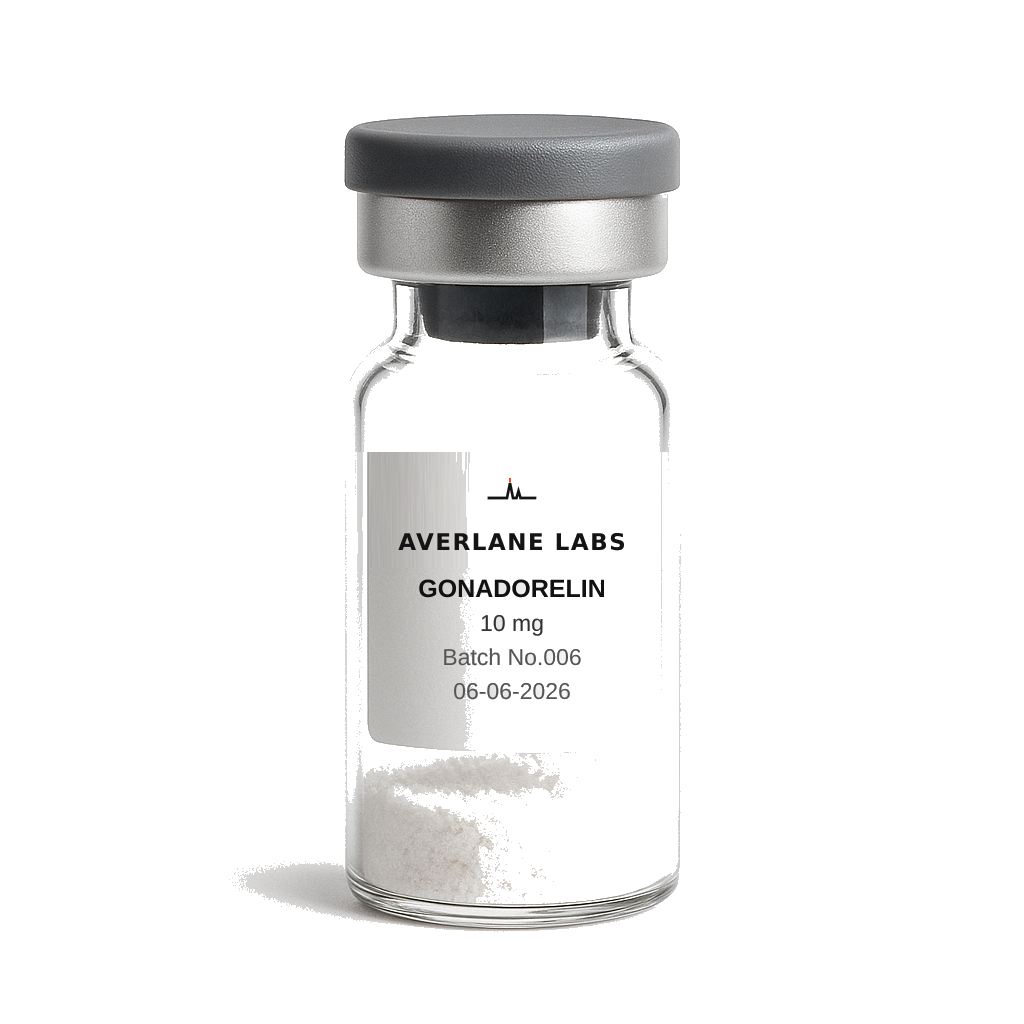
Gonadorelin 10mg vial
Certificate of Analysis available on request for the current lot.
Complete the setup
Reconstitution and bench supplies researchers pair with Gonadorelin 10mg vial
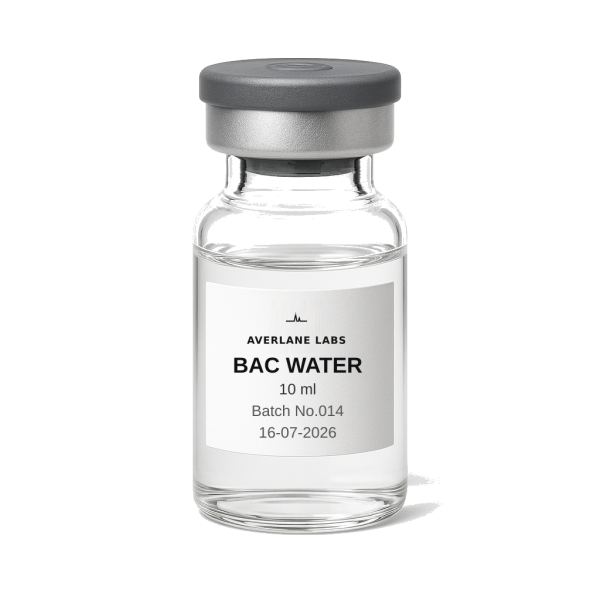
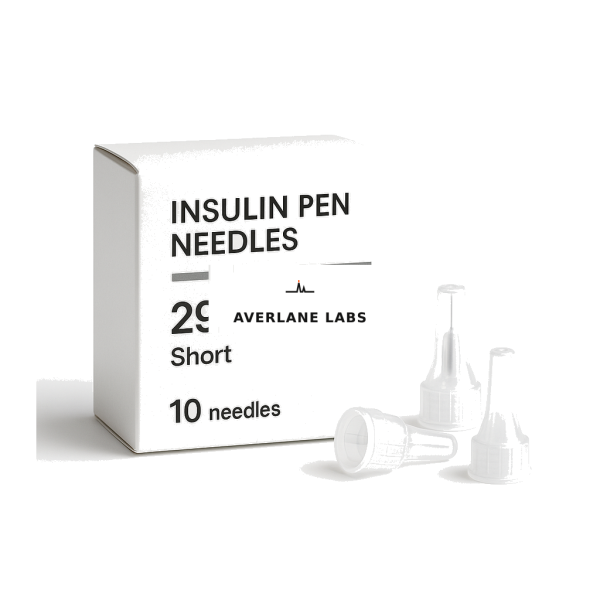
NOT FOR HUMAN CONSUMPTION
Gonadorelin is the synthetic form of endogenous gonadotropin-releasing hormone (GnRH, LHRH), a decapeptide secreted in pulses by the hypothalamus. It binds GnRH receptors on pituitary gonadotrophs to trigger luteinizing hormone (LH) and follicle-stimulating hormone (FSH) release, which in turn regulate sex-steroid production and gametogenesis. Clinically, gonadorelin is approved in several regions as a diagnostic agent for assessing pituitary gonadotroph function (e.g., delayed puberty, amenorrhea, hypogonadism). Therapeutically, pulsatile infusion can restore fertility in hypothalamic hypogonadism; continuous exposure desensitizes the receptor (the basis of long-acting GnRH-agonist therapy), but gonadorelin itself is short-acting.
Additional Benefits of Gonadorelin Now Under Investigation
| Benefit | Key take-aways |
|---|---|
| 1 Physiologic ovulation in hypothalamic amenorrhea | Pulsatile SC/IV delivery (q60–90 min) reconstitutes LH/FSH pulsatility, yielding mono-follicular ovulation with a low multiple-gestation and OHSS risk compared with exogenous gonadotropins. <br/><em>Fertility and Sterility; Human Reproduction</em> |
| 2 Restoration of spermatogenesis in congenital/functional HH | In men with GnRH deficiency (e.g., Kallmann) or functional hypothalamic suppression, pulsatile therapy initiates testicular growth and spermatogenesis, providing a physiologic alternative to hCG/hMG. <br/><em>Journal of Clinical Endocrinology & Metabolism; Andrology</em> |
| 3 Diagnostic discrimination of hypothalamic vs pituitary disease | Single-bolus GnRH testing (e.g., 100 µg IV) helps differentiate pituitary gonadotroph failure(blunted LH/FSH) from hypothalamic causes (delayed but present response). <br/><em>Endocrine Reviews; JCEM</em> |
| 4 Luteal-phase optimization in restored cycles | With pulsatile induction, luteal function is often adequate; when suboptimal, physiologic progesterone support can normalize implantation milieu while maintaining low hyperstimulation risk. <br/><em>Reproductive BioMedicine Online; Obstetrics & Gynecology</em> |
| 5 Lower cumulative iatrogenic risks vs gonadotropins | Physiologic follicular recruitment reduces multifetal pregnancy, cycle cancellation, and OHSS, potentially improving safety-per-pregnancy metrics in HH. <br/><em>Fertility and Sterility; Human Reproduction Update</em> |
| 6 Functional hypothalamic amenorrhea (FHA) in athletes/stress | In FHA refractory to lifestyle intervention, temporary pulsatile GnRH can re-establish cyclesand mitigate hypoestrogenic sequelae (bone, urogenital) without supraphysiologic gonadotropin exposure. <br/><em>Sports Medicine; Endocrine Connections</em> |
| 7 Pubertal axis assessment | In delayed or ambiguous puberty, GnRH testing, alone or with sex-steroid priming, improves diagnostic yield and risk-stratifies for progression vs pathology. <br/><em>Pediatrics; European Journal of Endocrinology</em> |
| 8 Post-pituitary surgery surveillance | Serial GnRH tests can track gonadotroph reserve during recovery after pituitary adenoma therapy, complementing basal gonadotropins and inhibin B/AMH. <br/><em>Pituitary; Clinical Endocrinology</em> |
| 9 Research tool for frequency-coding biology | Controlled pulse-frequency modulation (faster → LH-biased, slower → FSH-biased) enables study of gonadotropin subunit transcription and personalized induction paradigms. <br/><em>Nature Reviews Endocrinology; Molecular Endocrinology</em> |
2. Molecular Mechanism of Action
2.1 Receptor Pharmacodynamics
Gonadorelin binds the GnRH (GNRHR) GPCR on pituitary gonadotrophs → Gαq/11–PLCβ–IP₃/DAG–Ca²⁺/PKCsignalling → exocytosis of pre-formed LH/FSH and transcriptional up-regulation of CGA, LHB, FSHB.
-
Pulsatile exposure preserves receptor responsiveness and frequency-codes LH vs FSH synthesis.
-
Continuous exposure leads to receptor desensitization/internalization and suppression of LH/FSH.
2.2 Down-stream Biology
| Pathway | Functional outcome | Context |
|---|---|---|
| IP₃/Ca²⁺, PKC, ERK | Acute LH/FSH release; gene transcription of gonadotropin subunits | Pituitary |
| LH → theca/Leydig | ↑ Androgen (substrate for estradiol; testosterone production) | Ovary/testis |
| FSH → granulosa/Sertoli | Folliculogenesis, aromatase; spermatogenesis support | Ovary/testis |
| Steroid feedback | E2/T, inhibin, progesterone fine-tune GnRH/LH/FSH | HPG axis |
3. Pharmacokinetics
-
Route: IV/SC for testing; pulsatile SC or IV via portable pump for therapy.
-
Onset/peak: LH rises within ~15–30 min of a bolus; FSH lag modestly longer.
-
Half-life: ~2–4 minutes (IV); short systemic exposure mandates pulsatile delivery for therapeutic use.
-
Clearance: Peptidase degradation; renal/hepatic peptide catabolism; no CYP interactions.
4. Pre-clinical and Translational Evidence
4.1 Female Hypothalamic Hypogonadism
Pulsatile GnRH achieves high ovulation and pregnancy rates with monofollicular cycles and very low OHSS, often favored when a physiologic approach is desired or when PCOS is absent.
4.2 Male Hypogonadotropic Hypogonadism
In congenital GnRH deficiency and functional HH, pulsatile therapy restores intratesticular testosterone, Sertoli cell function, and spermatogenesis; time-to-sperm varies by onset/severity and prior cryptorchidism.
4.3 Diagnostics
Standardized GnRH stimulation protocols assist in delayed puberty, amenorrhea, post-surgical pituitary assessment, and central precocious puberty (historically), now often replaced by long-acting agonist tests where available.
5. Emerging Clinical Interests
| Field | Rationale | Current status |
|---|---|---|
| Functional HA in athletes | Reversible hypothalamic suppression; fertility desire | Specialized centers use pulsatile therapy after lifestyle care |
| Personalized pulse-coding | Titrate LH/FSH balance via frequency | Under investigation with smart pumps |
| Oncofertility (post-therapy HH) | Axis reconstitution after cranial RT/chemo | Case-series/feasibility |
| Assisted reproduction adjuncts | Physiologic trigger strategies and luteal support | Niche, protocol-dependent |
6. Safety and Tolerability
-
Common: Flushing, headache, transient lower abdominal discomfort; injection-site erythema with pumps.
-
Cycle risks (women): Low rates of multiples and OHSS compared with exogenous gonadotropins; monitor follicles/estradiol.
-
Men: Gynecomastia uncommon; monitor testicular volume, sperm parameters, and hematocrit as T normalizes.
-
Contraindications: Pregnancy, hormone-sensitive malignancy, uncontrolled pituitary disease, hypersensitivity to GnRH/analogs.
-
Operational: Pump therapy requires aseptic technique, catheter care, and adherence.
Comparative safety matrix
| Concern | Gonadorelin (pulsatile) | Exogenous gonadotropins (hMG/FSH+hCG) | Long-acting GnRH agonists |
|---|---|---|---|
| Physiologic LH/FSH pattern | Yes (pulse-coded) | No (pharmacologic) | No (suppression) |
| Multiples/OHSS in induction | Low | Higher | N/A (suppressive) |
| Convenience | Pump/catheter burden | Injections but simpler | Injections monthly/3-monthly |
| Typical use | HH fertility induction; diagnostics | Broad ovulation induction; ART | Suppression (endometriosis, CPP, prostate Ca) |
7. Regulatory Landscape
-
Approved indication (many regions): Diagnostic testing of pituitary gonadotroph function (e.g., single-dose IV/SC).
-
Therapeutic use: Pulsatile GnRH for hypothalamic hypogonadism–related infertility practiced in specialized centers; availability varies by device access and local regulation.
-
Not indicated as chronic suppressive therapy, long-acting analogs fill that role.
8. Future Directions
-
Smart pumps & closed-loop dosing using real-time LH feedback to optimize pulse frequency and minimize monitoring.
-
Integration with lifestyle/energy-availability restoration in FHA to shorten time-to-menses and protect bone.
-
Biomarker panels (kisspeptin, inhibin B/AMH) to refine diagnosis and prognostication before committing to pump therapy.
-
Male protocols combining pulsatile GnRH with hCG/FSH to accelerate spermatogenic recovery in select phenotypes.
Selected References
-
Crowley W.F., Filicori M., et al. Pulsatile GnRH therapy in hypothalamic amenorrhea and hypogonadotropic hypogonadism. Journal of Clinical Endocrinology & Metabolism; Fertility and Sterility.
-
Hall J.E., Hayes F.J. Physiology of GnRH pulse frequency and gonadotropin synthesis. Endocrine Reviews; Molecular Endocrinology.
-
Bouchard P., et al. Diagnostic use of the GnRH (gonadorelin) stimulation test. JCEM; Pediatrics.
-
Martin K.A., et al. Functional hypothalamic amenorrhea, diagnosis and management. Human Reproduction Update; Endocrine Connections.
-
Pitteloud N., et al. Kallmann syndrome and congenital GnRH deficiency, restoration of fertility. Andrology; JCEM.
-
Tarlatzis B.C., et al. Ovulation induction strategies and OHSS prevention. Human Reproduction; Reproductive BioMedicine Online.
-
Melmed S., et al. Pituitary disease evaluation and post-surgical testing. Clinical Endocrinology; Pituitary.
-
Plant T.M., Marshall J.C. Puberty and GnRH neuroendocrinology. Endocrine Reviews.
-
Welt C.K., et al. Luteal support and implantation after physiologic induction. Obstetrics & Gynecology; Fertility and Sterility.
Researcher reviews
No reviews yet for this lot line. Verified purchasers can leave the first one.
Reviews
There are no reviews yet.