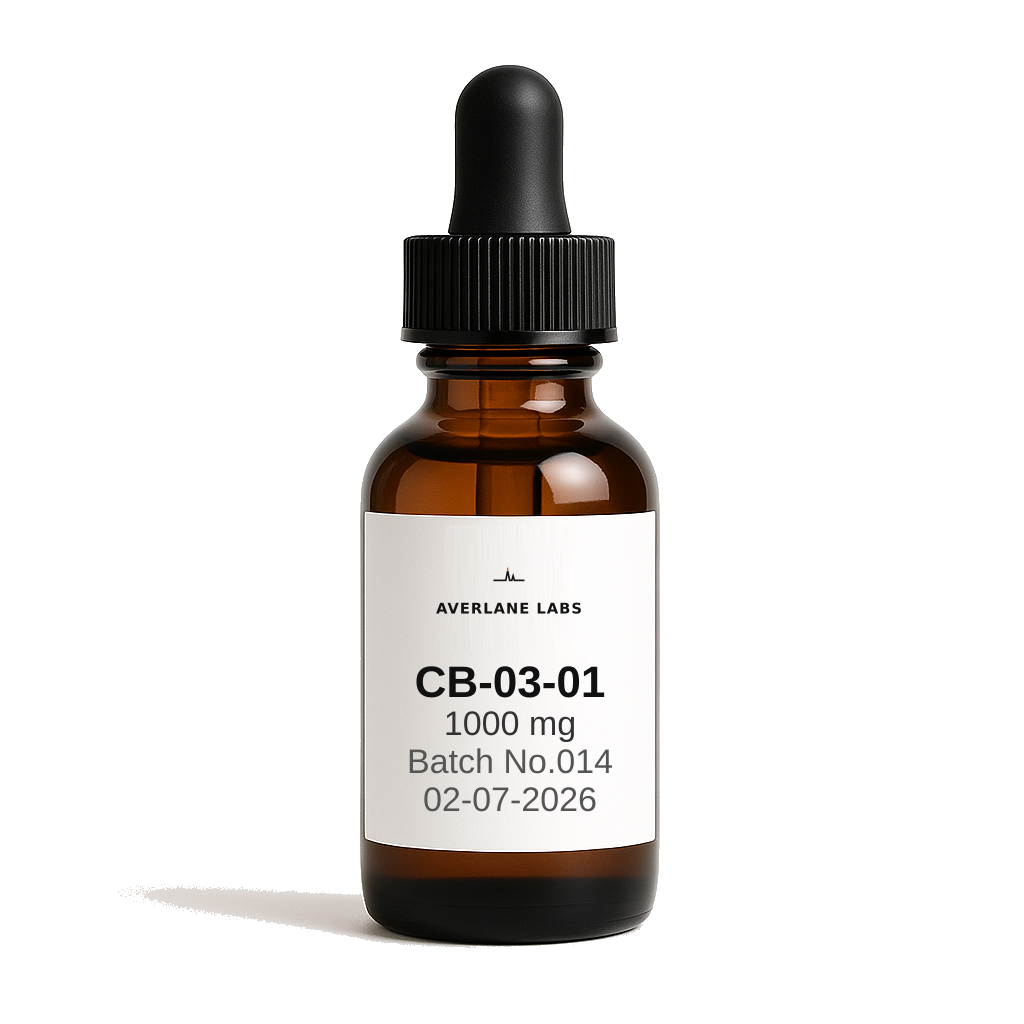
CB-03-01 (clascoterone) 1000mg vial
Certificate of Analysis available on request for the current lot.
Complete the setup
Reconstitution and bench supplies researchers pair with CB-03-01 (clascoterone) 1000mg vial
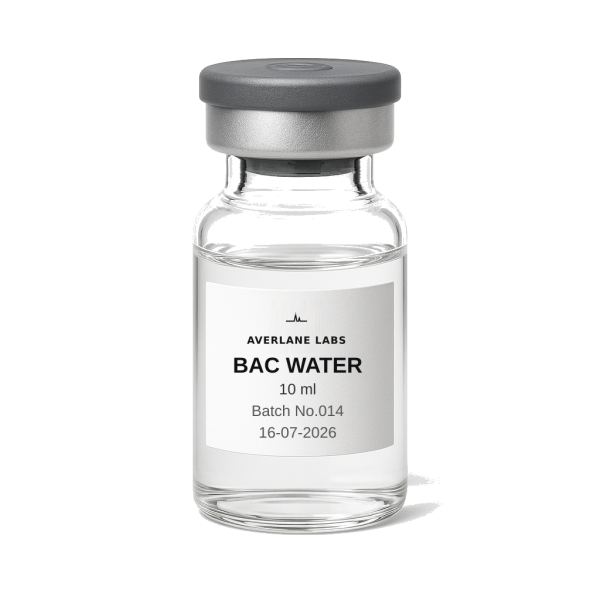
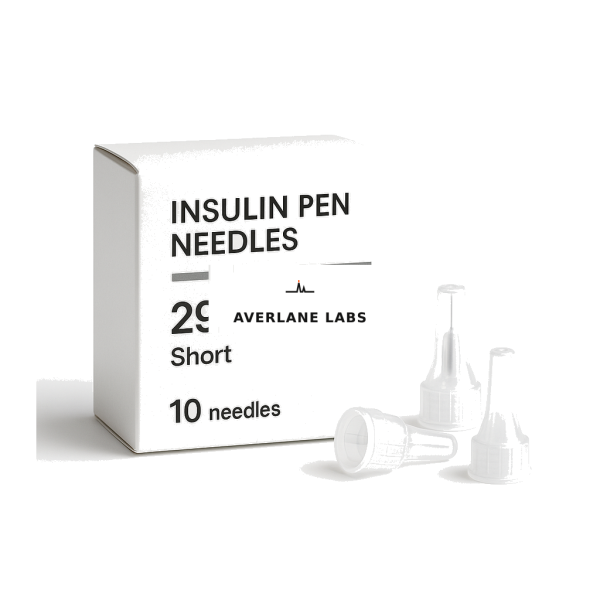
NOT FOR HUMAN CONSUMPTION
CB-03-01 (clascoterone) is best viewed as a topical androgen receptor antagonist for acne, not a systemic anti-androgen therapy. Its core advantage is that it locally blocks androgen signaling in the skin without significant systemic hormonal effects, making it a targeted dermatologic treatment.
The strongest use case is acne vulgaris, where it is now an FDA-approved topical drug (as clascoterone 1% cream, e.g. Winlevi). Evidence is solid and clinically meaningful, especially compared to older topical options that do not directly target androgen signaling.
2. Additional benefits under investigation
| Benefit | Take-away |
|---|---|
| 1. Acne vulgaris treatment | Main approved use. Reduces sebum and inflammation via androgen blockade |
| 2. Sebum regulation | Targets sebaceous gland activity directly |
| 3. Alternative to systemic anti-androgens | Useful when oral therapies are not desired |
| 4. Hormonal acne in both sexes | Unlike oral anti-androgens, usable in males |
| 5. Early androgenetic alopecia interest | Mechanistically plausible, but still investigational |
| 6. Anti-inflammatory effects | May contribute to acne improvement |
| 7. Localized action | Minimal systemic hormonal exposure |
| 8. Not a cure-all anti-androgen | Effects are localized and condition-specific |
3. Molecular mechanism of action
3.1 Receptor pharmacodynamics
CB-03-01 acts as a competitive antagonist at the androgen receptor (AR) in the skin.
- Blocks binding of dihydrotestosterone (DHT)
- Reduces androgen-driven gene expression
- Decreases sebocyte activity and sebum production
Unlike systemic drugs, it is designed to act locally in the skin.
3.2 Downstream biology
| Pathway | Functional outcome | Context |
|---|---|---|
| Androgen receptor blockade | Reduced sebum production | Acne |
| Sebocyte modulation | Less oily skin environment | Sebaceous glands |
| Anti-inflammatory signaling | Reduced lesion formation | Acne inflammation |
| Local metabolism | Limited systemic exposure | Safety profile |
This mechanism is well-established and directly relevant to acne pathophysiology.
4. Pharmacokinetics
- Route: topical
- Systemic absorption: low
- Metabolism: rapidly converted to inactive metabolites in skin and circulation
Key principle:
CB-03-01 is designed for local activity with minimal systemic endocrine effects, which differentiates it from oral anti-androgens.
5. Clinical evidence
5.1 Acne vulgaris (strong evidence)
Two large phase III randomized controlled trials showed:
- Significant reduction in inflammatory and non-inflammatory lesions
- Higher treatment success vs placebo vehicle
- Good tolerability
This led to FDA approval of clascoterone 1% cream.
5.2 Comparative positioning
Compared to other acne treatments:
- More targeted than benzoyl peroxide or retinoids
- Less systemic risk than oral spironolactone or isotretinoin
- Slower onset than some aggressive therapies
5.3 Other indications
- Androgenetic alopecia: mechanistically plausible, limited data
- Seborrhea: theoretical benefit via sebum reduction
These remain investigational or secondary uses.
6. Safety and tolerability
Generally well tolerated:
- Common:
- mild skin irritation
- erythema
- Rare:
- local dryness or itching
Systemic hormonal effects are minimal due to low absorption.
7. Contraindications and cautions
Use extra caution with:
- Expecting systemic anti-androgen effects → it is local only
- Severe acne → may require combination therapy
- Irritated or damaged skin → may increase absorption/irritation
- Off-label uses (e.g. hair loss) → limited evidence
8. Comparative practical matrix
| Feature | CB-03-01 |
|---|---|
| Main strength | Local androgen receptor blockade |
| Best-supported use case | Acne vulgaris |
| Evidence quality | Strong (phase III trials) |
| Systemic effects | Minimal |
| Core limitation | Limited to topical/local effects |
| Best framing | Targeted topical anti-androgen |
9. Regulatory landscape
- Approved as Winlevi in the U.S. for acne
- Classified as a topical prescription dermatologic drug
- Not approved for:
- systemic use
- hair loss (off-label interest only)
10. Future directions
Key areas of interest:
- Use in androgenetic alopecia
- Combination therapies with retinoids or antibiotics
- Higher-strength or alternative formulations
Best balanced summary
CB-03-01 (clascoterone) is a clinically validated topical anti-androgen for acne that works by blocking androgen receptors directly in the skin. It offers a unique, targeted approach with minimal systemic exposure, making it especially valuable for patients who want to avoid systemic hormonal treatments. While highly effective for acne, its role outside this indication, particularly in hair loss, remains investigational.
Researcher reviews
No reviews yet for this lot line. Verified purchasers can leave the first one.
Reviews
There are no reviews yet.